The Story
Why it exists.
The beginning
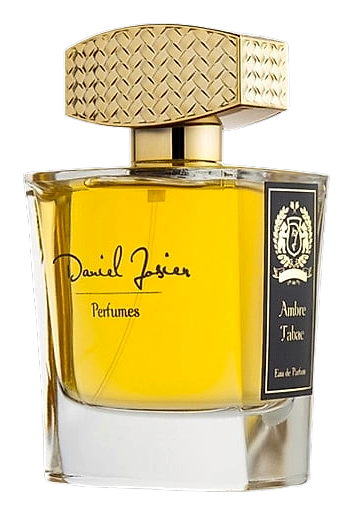
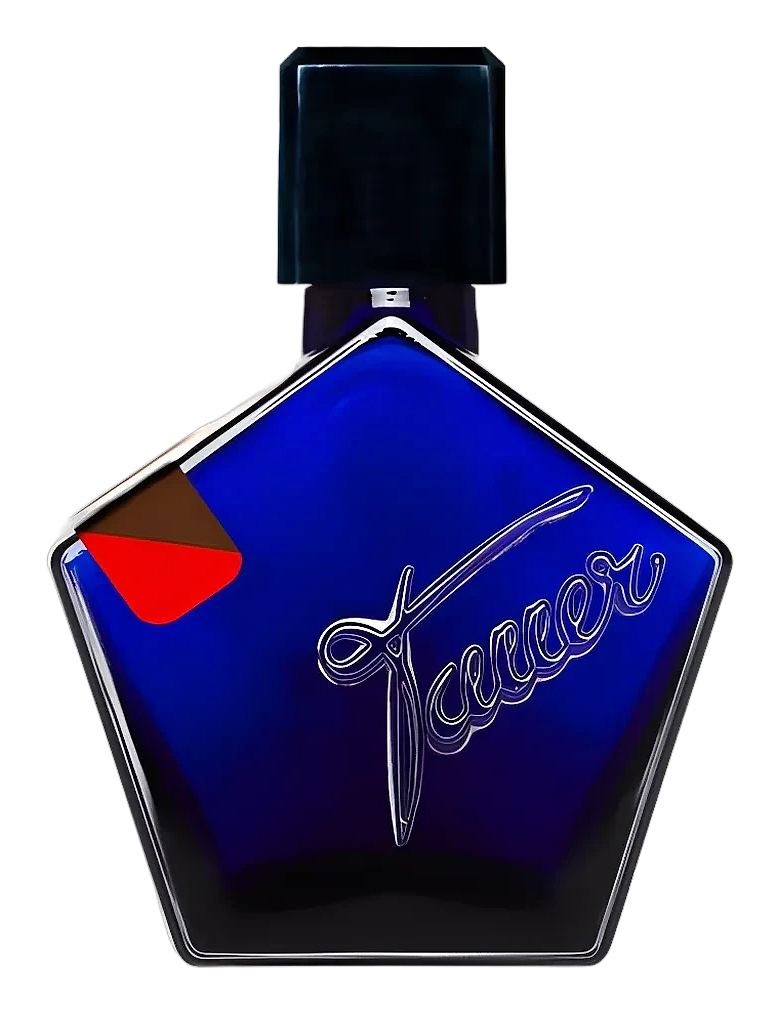
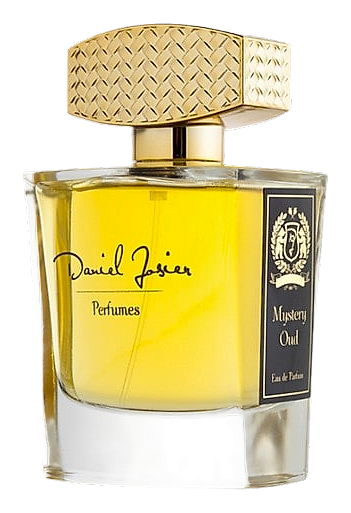
Daniel Josier built his reputation on fragrance as autobiography, each scent a chapter, not a category. Mystery Oud arrived in 2013 as a direct conversation with the oud-heavy market he saw growing around him. Where others went loud and literal, Josier wanted something different: an oud that didn't announce itself, that snuck up on the wearer and stayed past the point of politeness. The name is the brief. Not what oud smells like. What it hides.
The real bet here is the violet-iris axis running through the oud. Both are powdery, slightly waxy materials that soften animalic intensity without killing it outright. In most oud compositions, that sweetness is an afterthought, a patch to keep the mass market comfortable. Here it arrives on schedule and stays to argue. Cumin and angelica add a faintly medicinal lift to the opening that most wearers either love or find alarming in the first twenty minutes. That's not an accident. It's the question the fragrance wants you to sit with.
The evolution
The opening hits medicinal and leathery, a pungent oud that announces itself without apology. Cumin and incense emerge as the surface dries. The violet sweetness? Absent early. It shows up late, settling in beside the amber notes like it was always supposed to be there. The oud doesn't disappear. It deepens, becomes less assertive, settles into the composition as a foundation rather than a feature. Eight to ten hours on most skin. The next morning, faint traces of amber and labdanum linger on warm fabric, the ghost of something that didn't want to leave.
Cultural impact
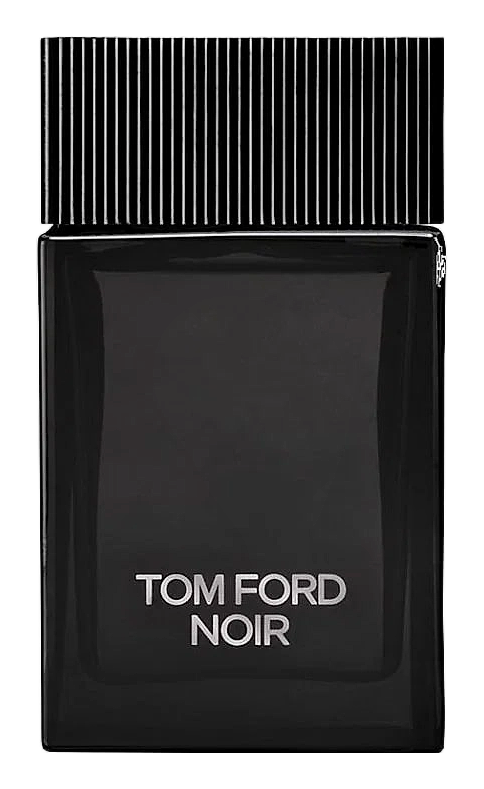
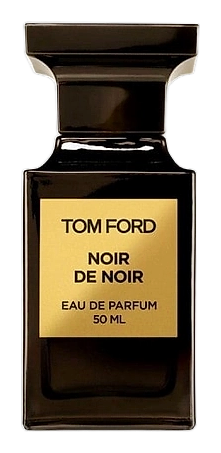
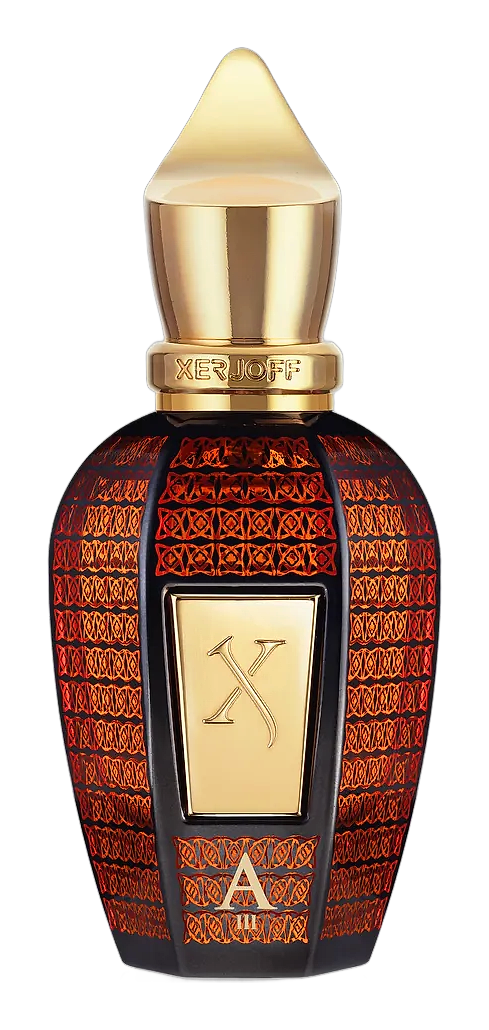
Niche fragrance communities have noted Mystery Oud for its unusual violet-oud pairing, a combination that sounds discordant on paper but reads as quietly confident on skin. It shares shelf space with heavier oud anchors like Tom Ford Noir and Xerjoff Alexandria II, but its softness sets it apart. Where those compositions demand attention, Mystery Oud earns it.