The Story
Why it exists.
The beginning
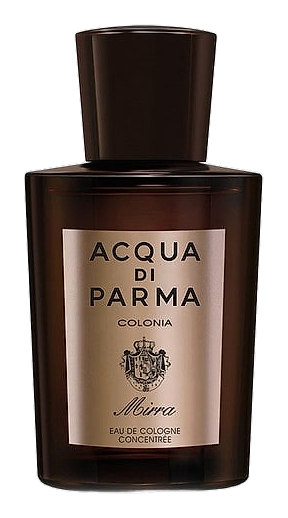
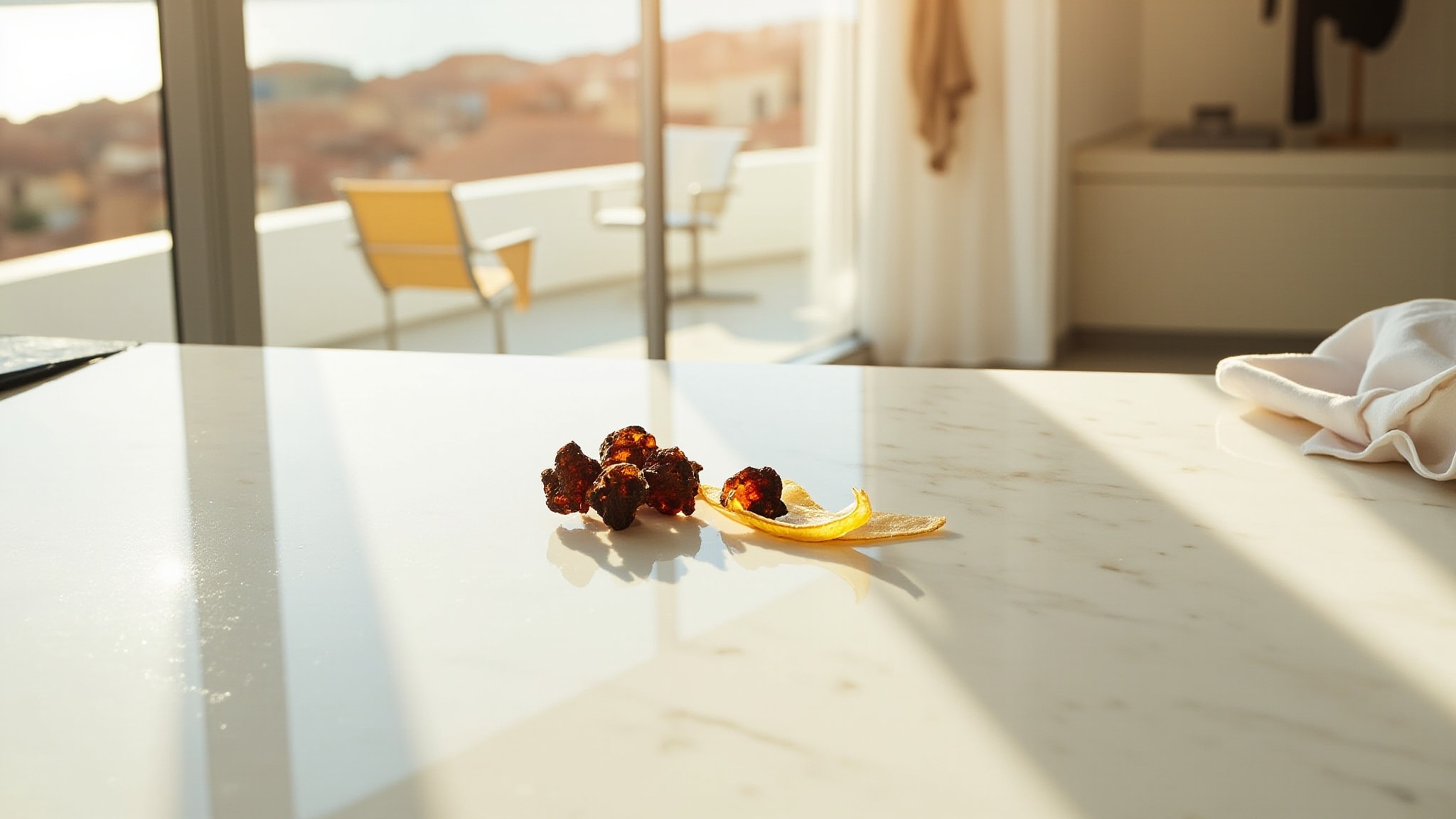
Colonia Mirra arrived in 2017 as a flanker that shifts the house's signature in a new direction. Myrrh, the warm, balsamic resin known as mirra in Italian, became the structural surprise. Where Colonia keeps things bright and citrus-forward, this flanker turns toward something deeper. The myrrh doesn't arrive all at once. It builds quietly beneath the opening, transforming the familiar freshness into a composition with real weight. The name alone signals the shift: Mirra isn't a footnote. It's the point.
Myrrh pairs with citrus and nutmeg in a way that feels almost paradoxical. The brightness never fully recedes, keeping the warmth from becoming heavy. Patchouli anchors the base, grounding everything with its characteristic earthiness. The combination deepens the composition without tipping into heaviness, letting the citrus notes recede into something richer, more layered.
The evolution
The citrus opening is clean and immediate. Orange blossom threads through with a delicate floral quality that lifts the brightness without diluting it. Nothing heavy. Just the clarity of morning light. Within the first hour, myrrh arrives quietly. Its warmth settles alongside nutmeg's gentle spice. The combination deepens the composition without adding weight. The citrus hasn't disappeared, it's receded, folded into something richer. Patchouli grounds the base, and the myrrh lingers soft in the background. This is the part that stays, close, intimate, and present for hours after the first spray.
Cultural impact
Colonia Mirra brings myrrh, a warm, balsamic resin, into the house's lineup, adding depth and complexity. This oriental-woody direction offers something with weight and presence while staying true to the Acqua di Parma identity.