
The Story
Why it exists.
The beginning
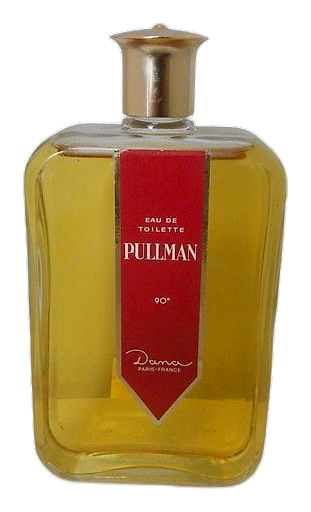
Pullman arrived in 1968 from Dana, and the name carries a certain kind of suggestion with it. The composition itself delivers on whatever image the word pulls up. Lavender, anise, and rosemary open with a bracing clarity, as if the air around the wearer had been freshly aired out, herbaceous and clean with that distinctive licorice thread running underneath. Carnation and geranium warm the center, adding depth and a green counterpoint that keeps the heart from collapsing into sweetness. Cedar, vetiver, moss, and tonka ground the whole thing in something older, woodier, more deliberate. The structure is a classic aromatic fougere through and through: lavender on top, a spiced floral middle, and a mossy-amber base that holds everything in place.
What gives Pullman its particular character is the anise. That licorice lift shapes the opening into something distinctive, lending it a faintly bitter, aromatic accent that feels more herbal-kitchen than barbershop-standard. The anise doesn't shout; it weaves through the lavender and rosemary, adding a sweet-spicy undertone that makes the top read warmer and more complex than a typical aromatic opening.
The evolution
The first ten minutes belong to the top. Lavender does what good lavender does: lifts, cools, and signals intention. The anise threads through it quickly, giving the opening a slight licorice fizz that reads more like a kitchen drawer full of dried herbs than a standard cologne counter. Bergamot and lemon flash briefly underneath, bright but not citrus-showy, more of a clean sharpness than a fruit burst. By the thirty-minute mark the heart takes over. Carnation arrives with its clove-like warmth, that distinctive spicy-petal quality that defines the note, and the geranium greens up the whole composition, keeping it from going too sweet or too powdery. Rose barely peeks through, a suggestion more than a statement, almost hidden in the carnation's shadow but adding a softness that rounds the middle. The drydown is where Pullman shows its depth.
Cultural impact
Pullman sits within the aromatic fougere tradition that dominated masculine perfumery for much of the mid-twentieth century, a category built on lavender, oakmoss, and herbal accords arranged into a clean, structured whole. It is not a loud or trend-setting fragrance; it is a competent, well-built one, the kind of composition that rewards attention rather than demanding it. The fragrance reads as versatile across settings: appropriate for daytime and office wear, with enough personality to carry through a casual evening without feeling out of place.