The Story
Why it exists.
The beginning
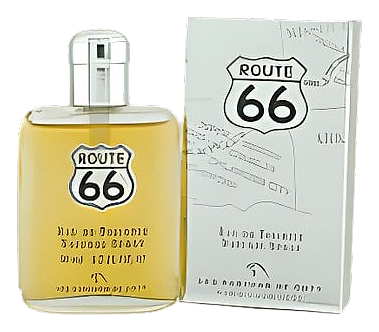
Route 66 takes its name from the most famous highway in America, the stretch of asphalt that meant movement, escape, and the promise of somewhere else. Coty released this fragrance in 1995 with a composition that matched the ambition: bright citrus and tropical fruit at the opening, a full-bodied aromatic heart, and a tobacco-forward base that lingers. It was designed to evoke the experience of motion itself, the smell of leather seats warming in afternoon light, of air rushing through an open window, of the road unwinding ahead.
The structure is what makes Route 66 work. Bergamot and Amalfi lemon arrive crisp and clean, then pineapple adds a sweetness that feels natural, not synthetic. This tropical note was bold for 1995, the era of aquatic flankers hadn't fully arrived. The heart layers six herbal and green materials, lavender, rosemary, tarragon, geranium, galbanum, oakmoss, in a combination that reads masculine without aggression. It's the balance that matters: sweet enough to be inviting, dry enough to hold structure. The base anchors everything in tobacco and tonka, with labdanum adding resinous depth and cedar-sandalwood-patchouli providing the woodsy finish.
The evolution
The opening announces itself confidently. Pineapple cuts through the citrus, bright, tropical, impossible to miss for the first fifteen minutes. Then the heart takes over gradually, not suddenly. Lavender rises first, softening the fruit, then rosemary and geranium add their herbal weight. The oakmoss keeps everything grounded. By the second hour, the tobacco emerges. Not the sharp, smoky kind, this is sweet pipe tobacco, the smell of a leather jacket left in a warm room. Tonka bean amplifies the sweetness. Labdanum adds a faint resinous quality. The drydown settles into cedar and sandalwood, warm and close to the skin, lasting another three to four hours on most. On fabric, it can linger until the next morning, faint, pleasant, resolved into its woody base.
Cultural impact
Route 66 occupies an interesting position in 90s masculine perfumery. The decade saw a split between aquatic lightweights and aggressive powerhouses. This fragrance sidestepped both, bold enough to be noticed, warm enough to invite. It found an audience among men who wanted something with personality but without the screech of department-store classics. The discontinued status has given it a slight cult following among collectors of vintage masculine scents.