The Story
Why it exists.
The beginning
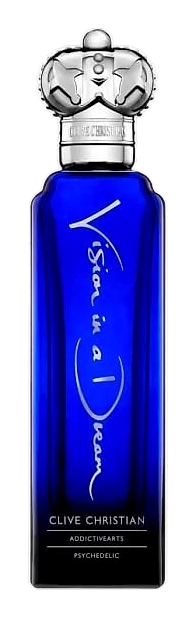
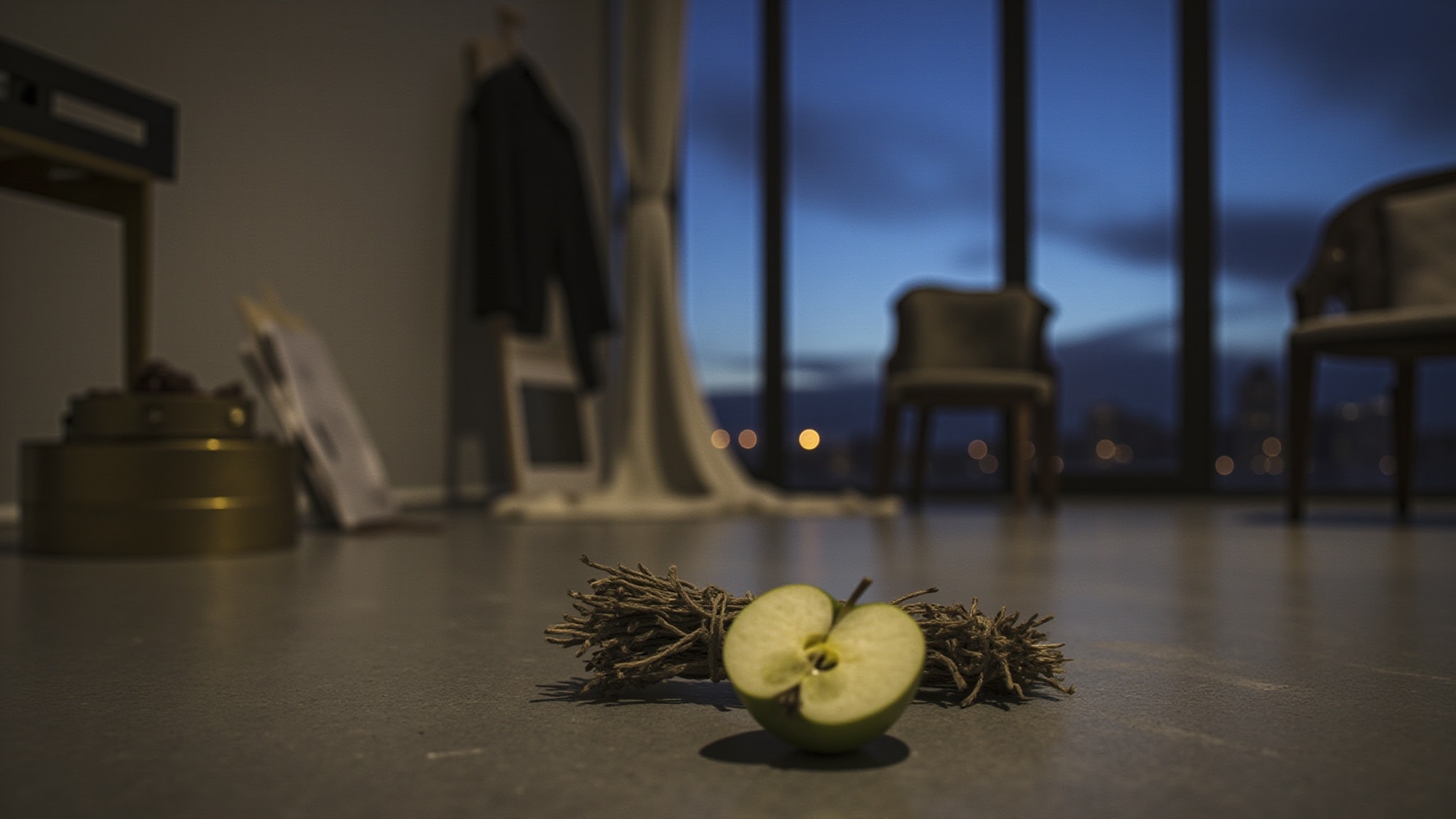
Vision in a Dream Psychedelic arrived in 2017 as part of Clive Christian's Addictive Arts collection. Psychedelic sits at the collection's most herbal, most bitter edge, built around the tension between crisp green botanicals and the dusky warmth of opium-tinged spices. The opening draws on artemisia and absinthe wormwood, both rare and divisive materials that bring a cool, herbal sharpness rarely seen in the brand's other lines. Apple skin and kaffir lime leaf add an unusual bitter-fresh counterpoint, while violet leaf and galbanum deepen the green register with something more vegetal and resinous than simply fresh.
What sets this composition apart is its restraint within excess. Artemisia and absinthe wormwood, both rare and divisive materials, share space with apple skin and kaffir lime leaf, an unusual pairing that reads almost bitter-fresh. The heart stacks cinnamon, clove, frankincense, and cocoa leaf alongside labdanum, pushing toward resinous sweetness without tipping there. The result is a fragrance that uses herbal sharpness the way other fragrances use citrus, as brightness with teeth.
The evolution
The first twenty minutes belong to the greens: apple skin and violet leaf cut sharp, with kaffir lime lending a citrus bite that smells almost metallic, like cool air through crushed leaves. Galbanum adds a rubbery edge that some will love and others will flinch from. Then the structure shifts without warning. Absinthe wormwood and opium rise together, dragging cinnamon, clove, and frankincense into something smoky and resinous. Cocoa leaf and labdanum arrive in the heart, bringing a dark, almost burnt sweetness that reads like leather more than dessert. By hour four the spices have quieted, and the base takes over: patchouli, cedar, sandalwood, and vetiver settle into a dry, smoky woodiness that clings to skin with above-average longevity. The next morning, the collar of a shirt still carries it.
Cultural impact
Vision in a Dream Psychedelic occupies a particular corner of Clive Christian's catalogue, the Addictive Arts collection. Wearers who gravitate to it tend to be drawn to herbal, incense-driven compositions rather than sweeter or more conventional profiles. Within the niche fragrance community, it draws comparisons to fragrances that emphasize resinous and bitter materials. Its strong projection and above-average longevity make it a deliberate choice rather than a crowd-pleaser, one suited to evenings and cooler seasons rather than broad daily rotation. The composition rewards attention.