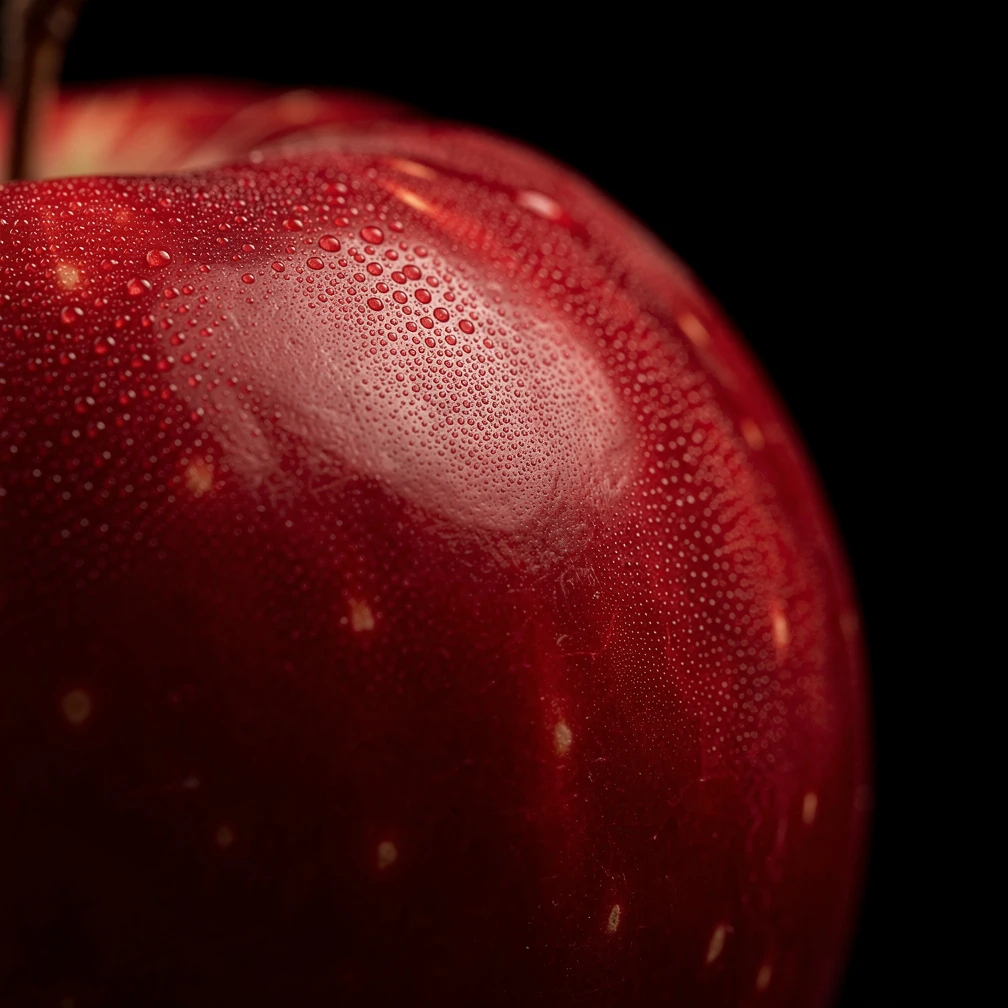
Apple skin
Fresh, green, and crisp with a waxy, just-biten quality. Apple skin brings immediate brightness to fragrance openings, often serving as a bridge between citrus and floral elements. Its fleeting nature makes it most effective as a top note that awakens the composition.
Character
How it smells
Crisp morning bite, garden-fresh and alive with green possibility
Apple skin contains over 300 volatile aromatic compounds, yet no single molecule captures its true scent. Perfumers must reconstruct this complexity using multiple synthetic and natural materials.






Origin
Switzerland
The apple carries profound cultural weight across human civilization, appearing in mythological traditions from ancient Greece to Norse legend. In Greek mythology, the golden apples of the Hesperides were among Heracles' twelve labors, while Norse mythology featured Idunn's apples that granted the gods eternal youth. These narratives positioned the apple as a symbol of desire, immortality, and forbidden knowledge long before perfumers began attempting to capture its essence.
Perfumery's relationship with apple spans centuries of aspiration and limitation. Before the advent of modern aromatic chemistry in the late nineteenth century, perfumers could approximate apple's sweetness through rose or jasmine compositions, but true apple character remained frustratingly elusive. The French term "tête de pommes" (apple head) was sometimes used to describe compositions with fruity, apple-like qualities, though these were invariably artistic interpretations rather than true apple representations.
The modern breakthrough came with synthetic aromatic chemistry. Compounds like isoamyl acetate and hexyl acetate, developed in the early twentieth century, gave perfumers their first reliable tools for creating apple-like notes. These synthetic materials enabled the fruity-fresh trend that emerged in the 1990s and exploded in the 2000s, where apple became a staple note in mass-market fragrances. Today, apple skin represents one of perfumery's most versatile fresh notes, appearing across gender-neutral fragrances and seasonal collections alike.
Wears it best
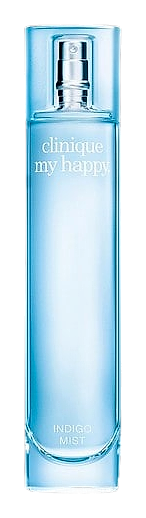
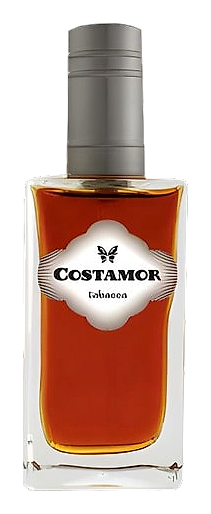
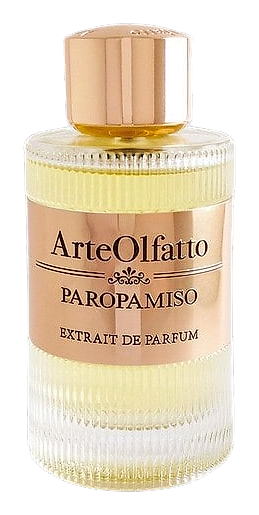
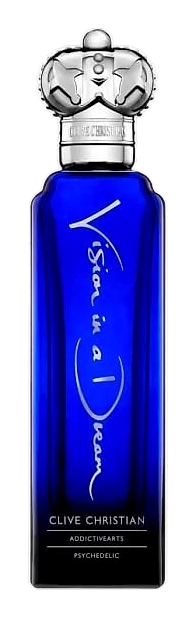
Fragrances featuring Apple skin

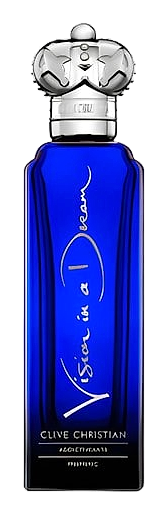
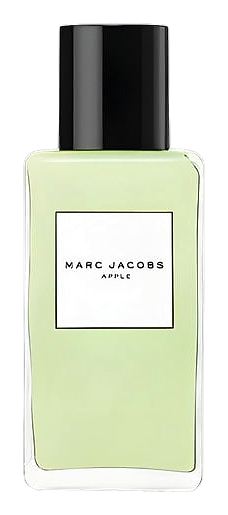
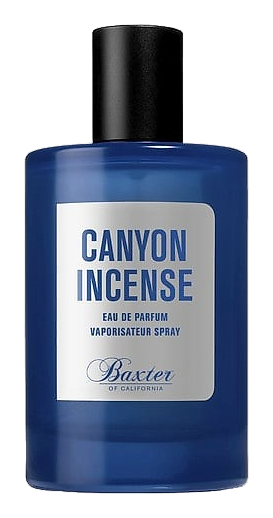


Brands
Brands known for Apple skin
Good to know
Questions, answered
The essentials on Apple skin in perfumery: how it smells, where it comes from, and how it behaves on skin.
What does Apple skin smell like in perfume?
Apple skin in perfume smells fresh, green, and slightly waxy, with a crisp quality similar to biting into a ripe apple. It combines sweet-fruity ester notes with green, leafy undertones that create an immediate sense of brightness.
Why is Apple skin used in perfumery?
Apple skin serves as a powerful freshness booster that creates immediate brightness in fragrance openings. Its combination of green and fruity notes makes it an excellent bridge between citrus and floral elements, enhancing both gender-neutral and traditional fragrance compositions.
Is Apple skin in perfume natural or synthetic?
Most commercial fragrances containing apple notes use synthetic aromatic materials, as natural apple skin extract is prohibitively expensive and degrades rapidly. One exception is Givaudan's Apple NatSource Orpur, which upcycles apple processing waste for a natural alternative.
What famous perfumes contain Apple skin?
Apple notes have featured prominently in fragrances like Dolce & Gabbana Light Blue with granny smith apple, Marc Jacobs Daisy with green apple freshness, and countless gender-neutral compositions released since 2010. Apple skin differs from apple blossom, which is more floral and powdery.
Is Apple skin a top note, heart note, or base note?
Apple skin functions as a top note due to its high volatility and rapid evaporation rate. Its fresh character typically remains perceptible for 15 to 30 minutes after application, making it most impactful in the opening minutes of fragrance wear.
What notes pair well with Apple skin in perfume?
Apple skin pairs naturally with citrus fruits, white florals like jasmine and peony, and green notes including galbanum and fig leaf. In warmer compositions, it bridges effectively toward woody base notes and amber materials, creating versatile fragrance expressions.
How is Apple skin extracted?
Apple skin extraction relies on advanced techniques like headspace capture and CO2 extraction. Headspace technology isolates volatile compounds released by apple skin during controlled ripening, while CO2 extraction uses pressurized carbon dioxide to extract aromatic molecules without heat damage. These methods preserve delicate ester compounds.
Is Apple skin used in men's or women's fragrances?
Apple skin has become one of perfumery's most gender-neutral ingredients, appearing equally in men's, women's, and unisex fragrances. Modern fresh fragrances across all gender categories use apple skin to convey contemporary, accessible brightness.