
The Story
Why it exists.
The beginning
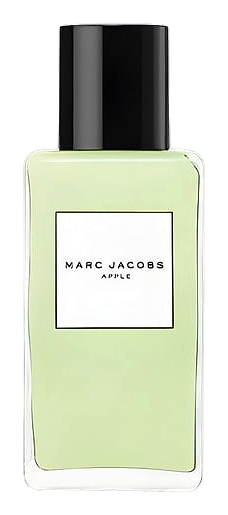
Apple Splash arrived in 2010 as part of the Marc Jacobs Splash Collection, three limited editions in oversized 300ml flacons alongside Pomegranate and Biscotti. The perfumer was Yann Vasnier of Givaudan. Apple is the most direct expression of the collection's intent: a bitten fruit, juice running, the clean crispness of fresh fruit, sweet but not heavy. Nothing to decode. Just want.
What makes Apple Splash interesting isn't the apple itself, it's how the composition builds around the tension between citrus and herbs. The grapefruit sharpens rather than simply freshens, adding a bitter edge that keeps the sweetness honest. The Amalfi lemon adds Mediterranean warmth. Then rosemary arrives, and that's the quiet surprise, herbaceous green in a fruity-floral that could have been predictable. Magnolia and jasmine keep the heart soft, but coriander and cardamom in the base don't deepen so much as extend.
The evolution
The opening arrives fast, citrus and apple skin hitting together, grapefruit's bitter edge keeping the sweetness honest. The apple reads more skin than flesh, waxy and crisp. Within a short time, the herbs begin their quiet takeover. Rosemary's green, almost medicinal snap emerges, softening the citrus assault. The transition isn't dramatic, it's a slow hand-off, the brightness dimming as the herbal character warms. The heart phase holds: magnolia's cream, jasmine's quiet floral weight, rosemary staying present but no longer dominant. Then the drydown, which isn't really a drydown so much as a fade. Cardamom and coriander appear as whispers, not declarations. The sillage drops. After several hours, it's close and intimate, a soft presence on skin, quiet warmth on fabric.
Cultural impact
Apple Splash belongs to a specific moment in the early 2010s when designer fragrances were expanding their reach. The Splash Collection, 300ml flacons in bright colors, presented a lifestyle aesthetic alongside the scents themselves. The fragrance has a modest footprint: moderate sillage, several hours of wear, and a citrus-fruity character that functions as a pleasant everyday presence rather than making a bold statement. It attracts wearers who want something approachable and unintimidating.
The House
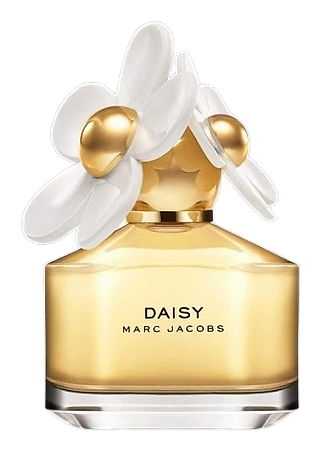
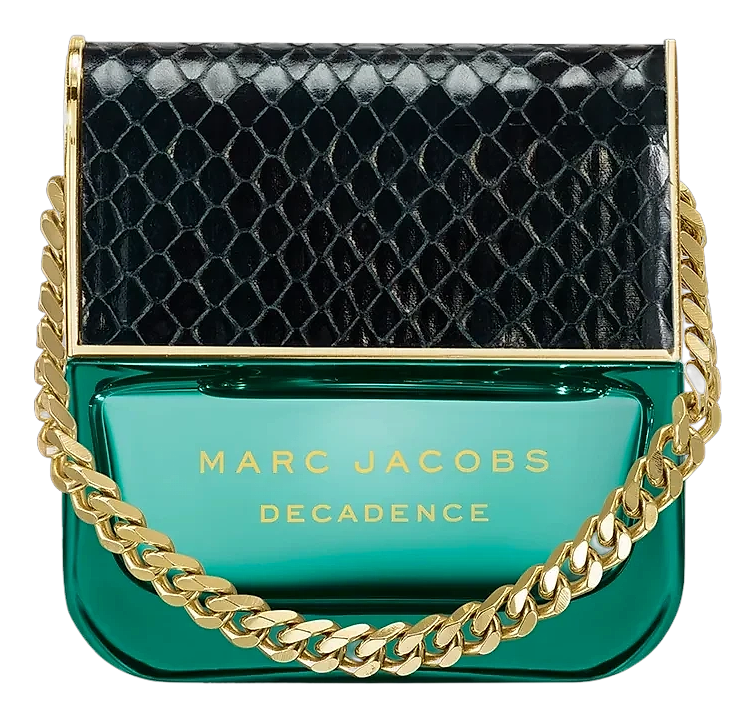
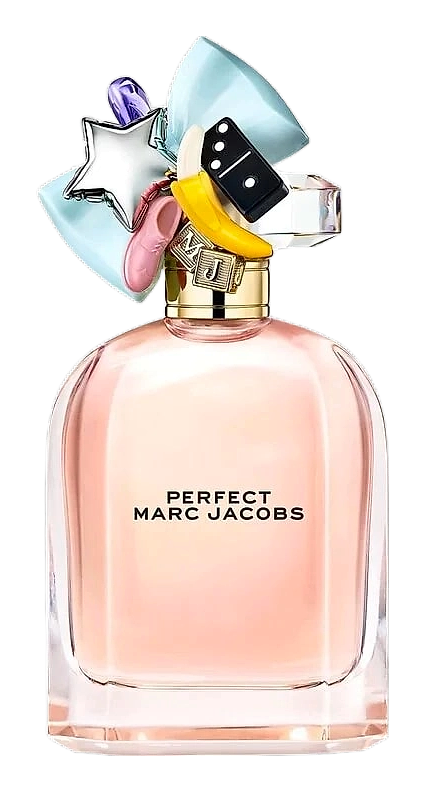
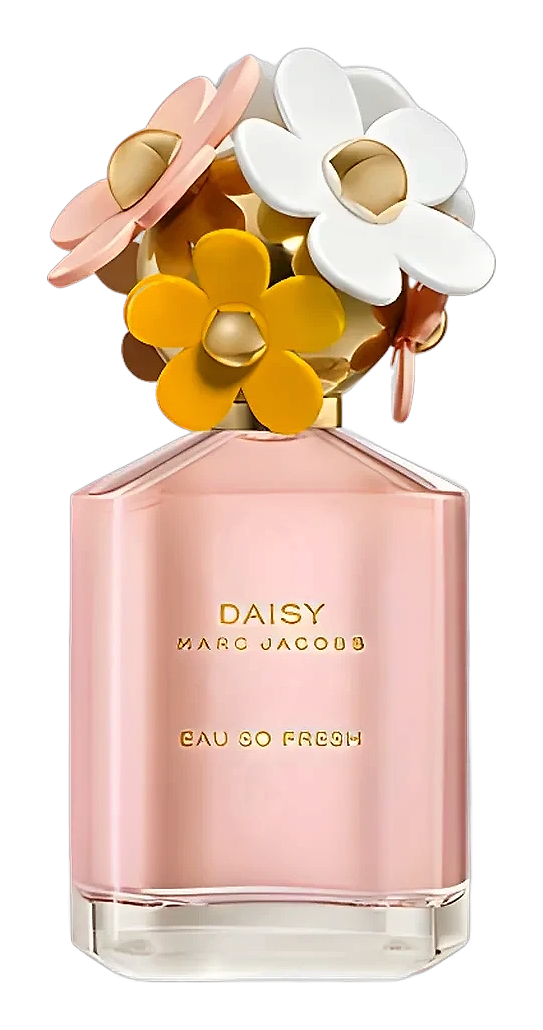
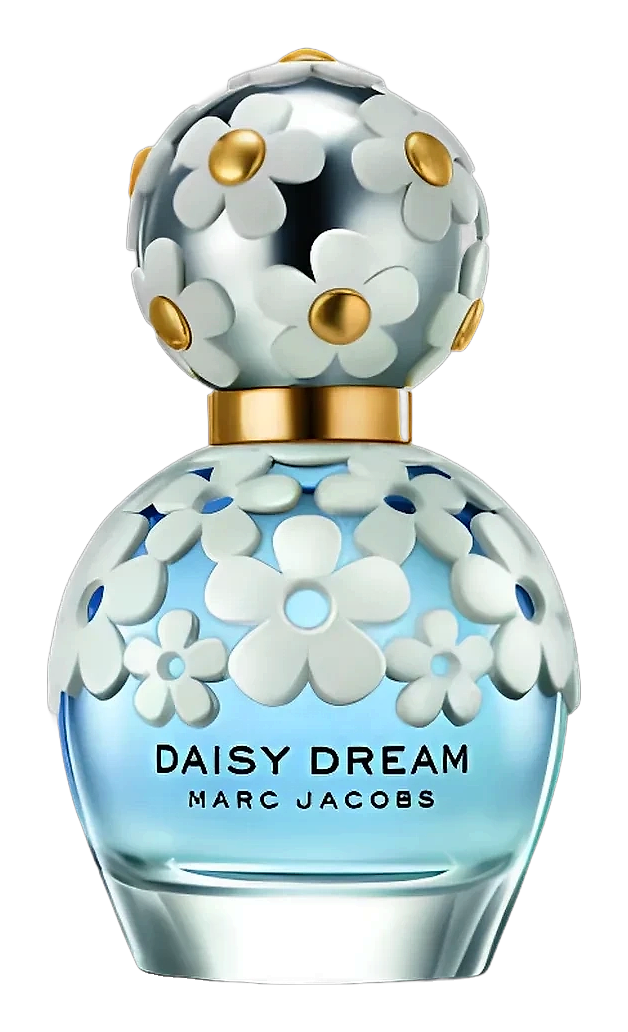
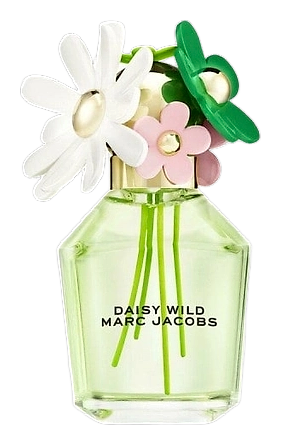
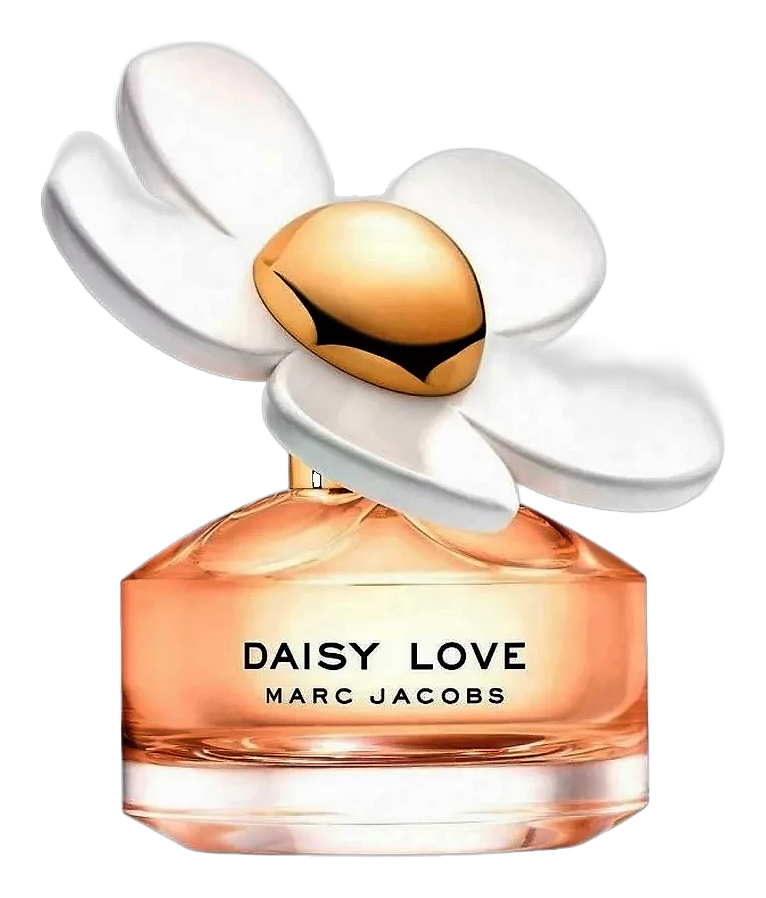
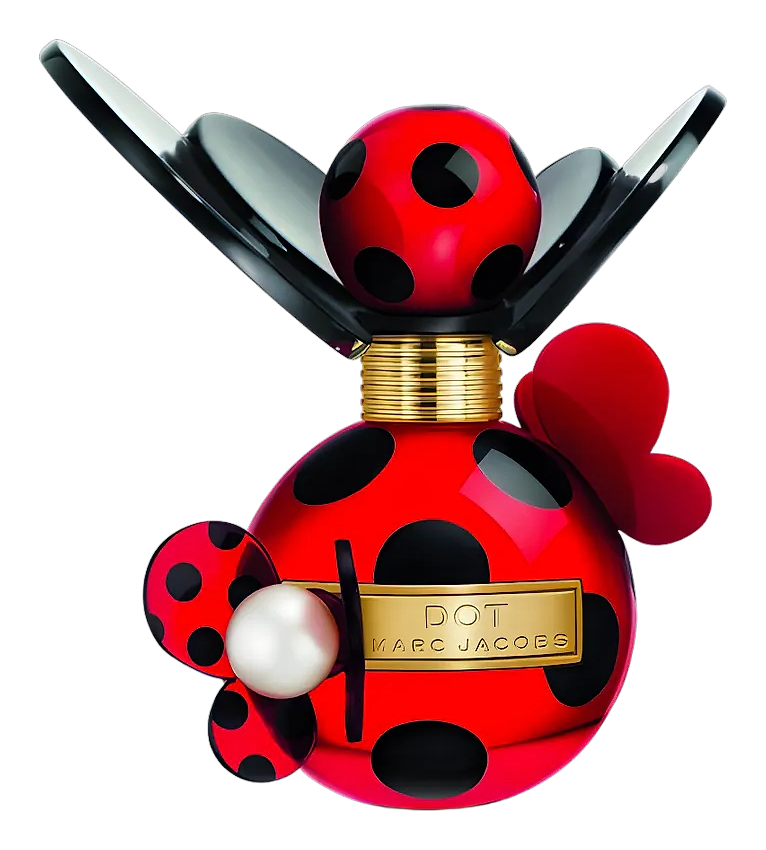
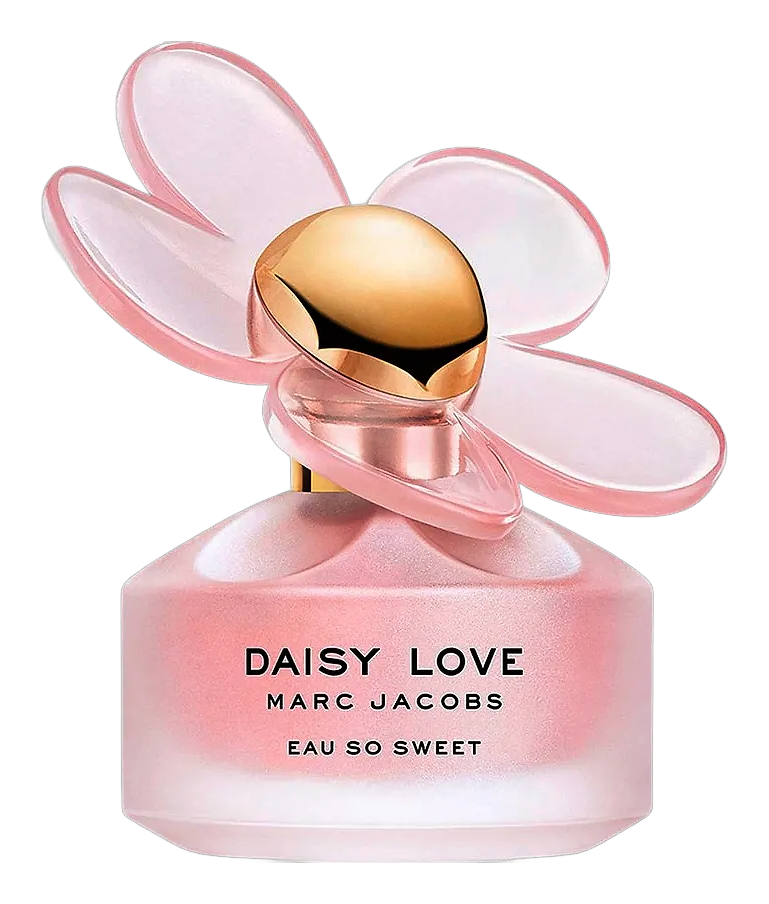
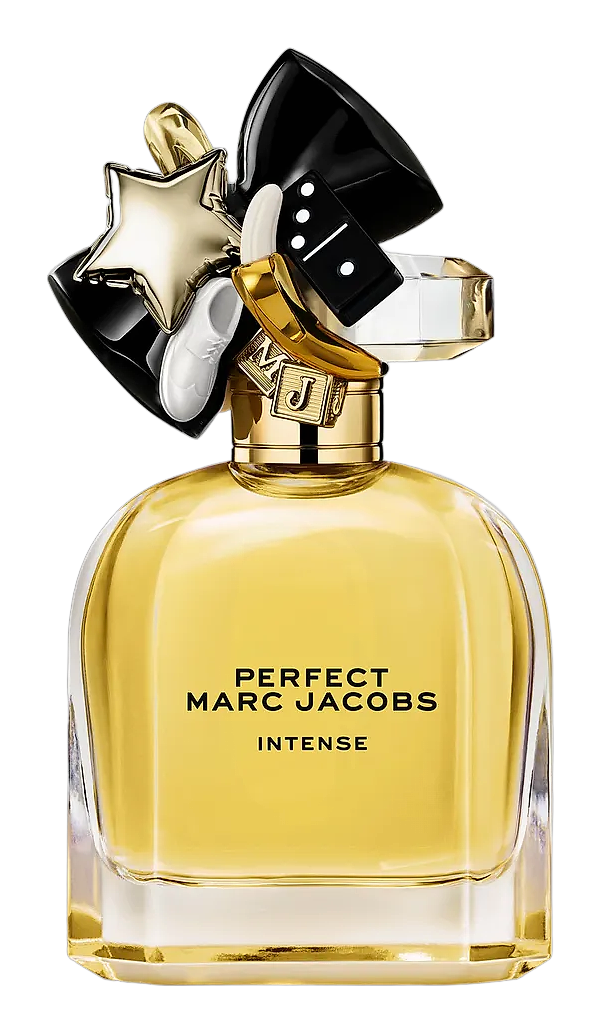
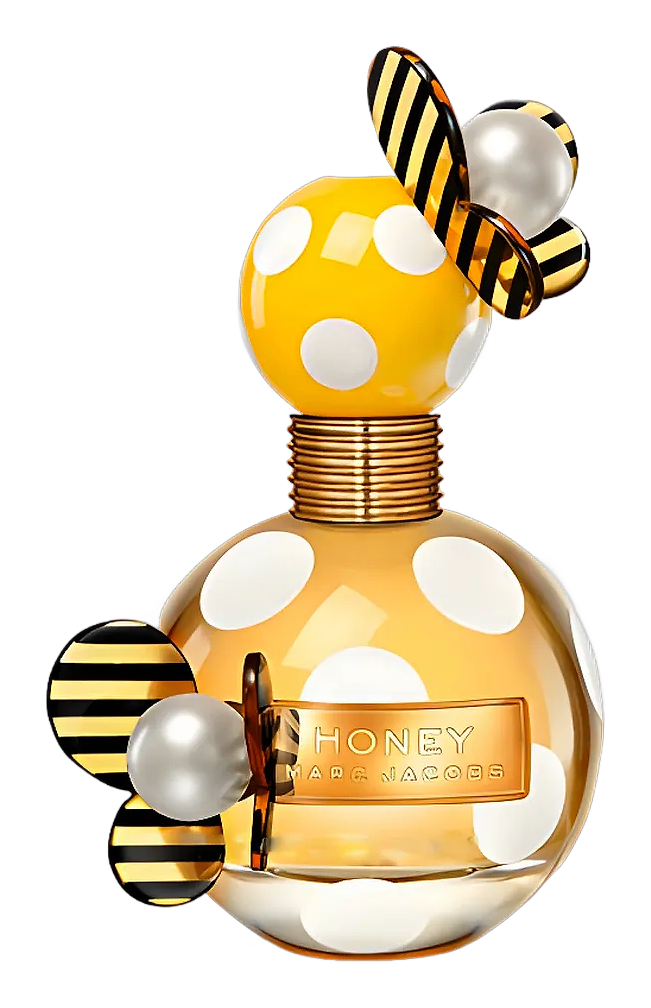
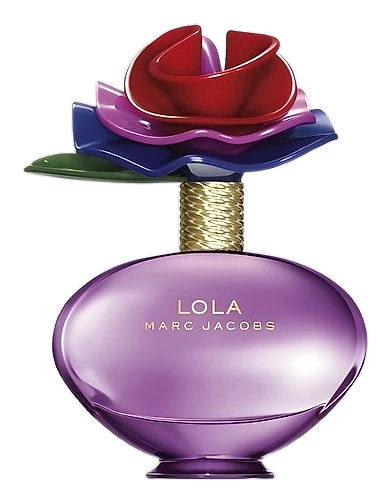
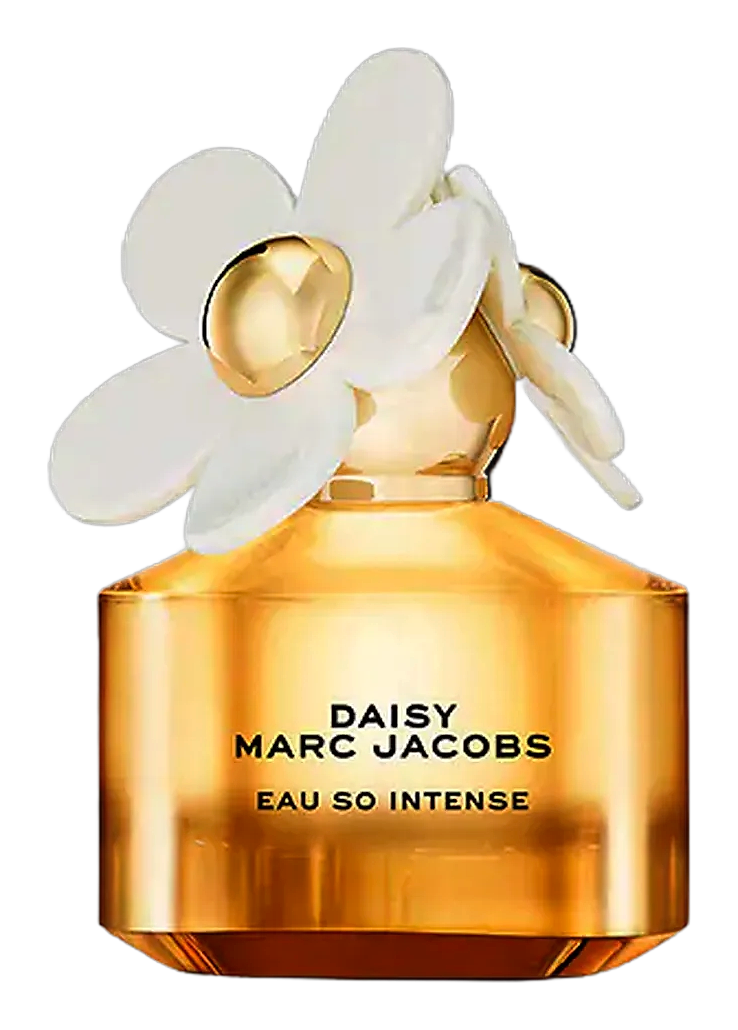
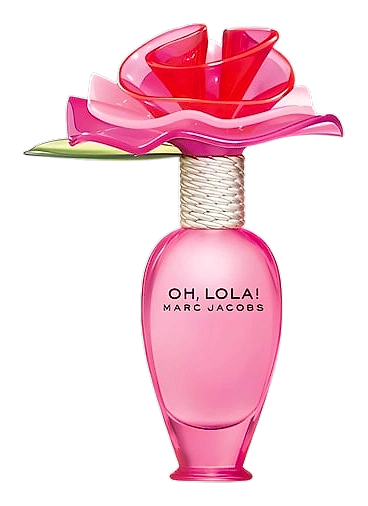
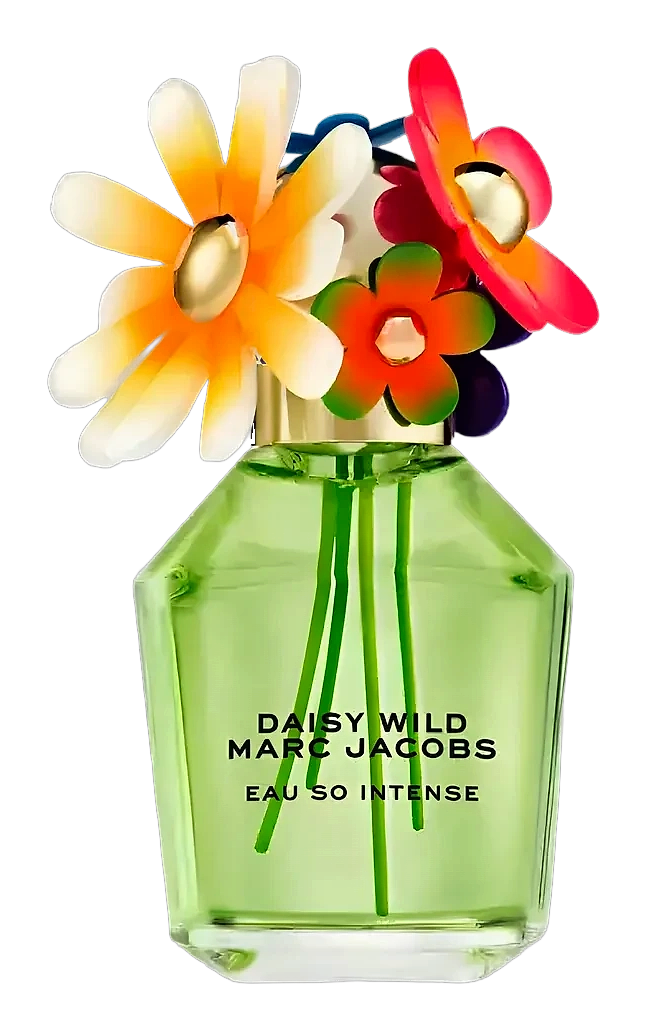
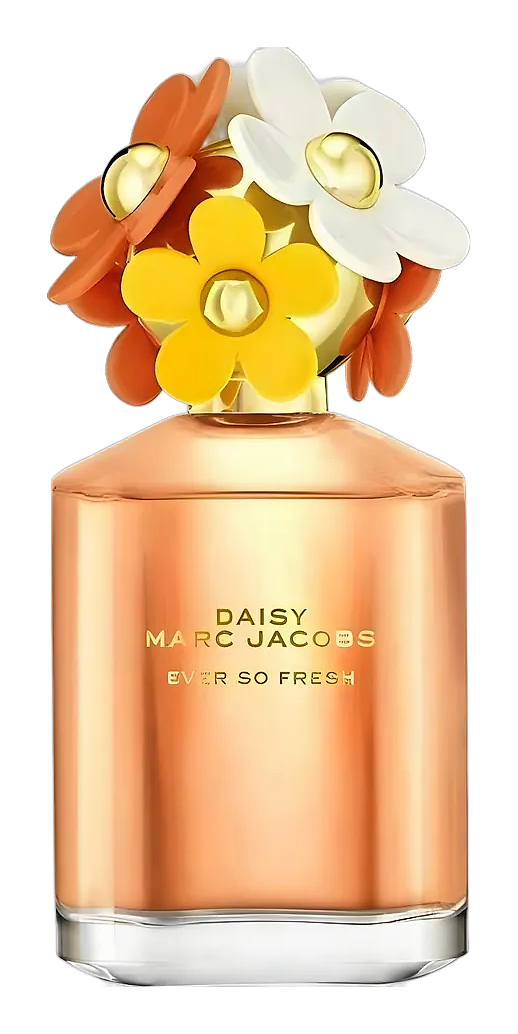
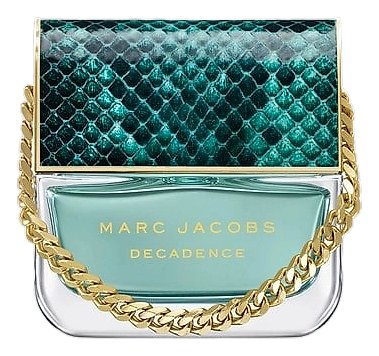
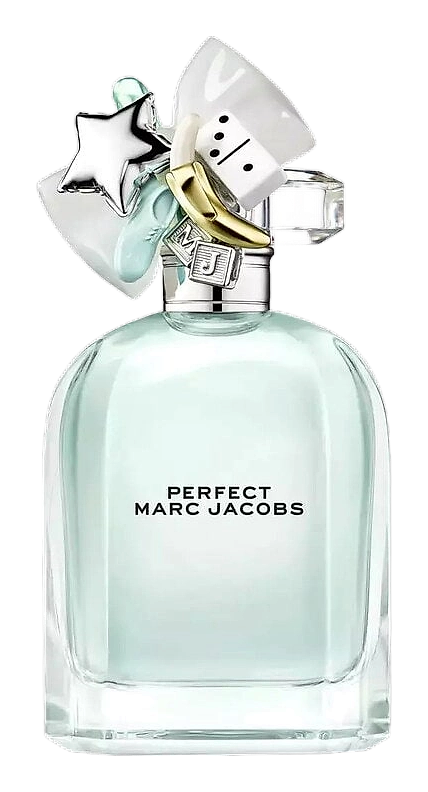
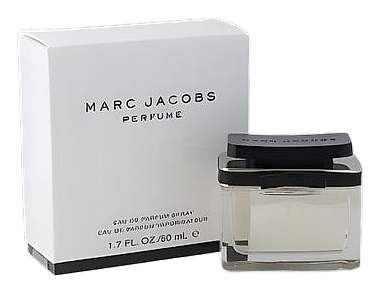
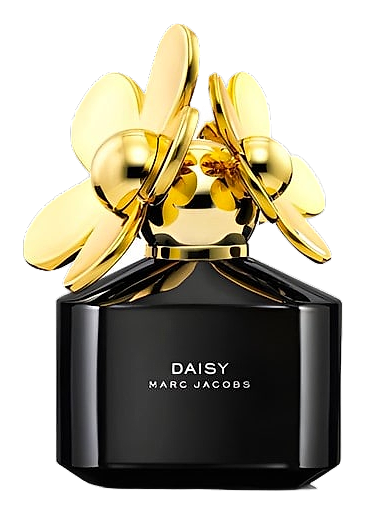
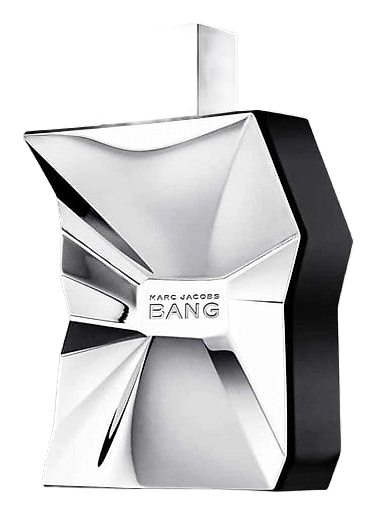
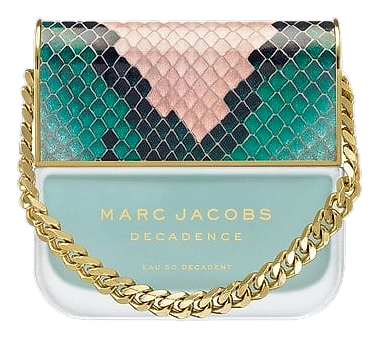
Marc JacobsMarc Jacobs fragrances, produced under license by Coty, launched in 2001 with Marc Jacobs for Women, followed by a companion men's scent in 2002. The brand has since built an extensive portfolio of fragrances anchored by signature lines including Daisy (2007), Lola (2009), Decadence (2015), and Perfect (2020). Daisy, named after Daisy Buchanan from F. Scott Fitzgerald's The Great Gatsby, quickly became a defining success for the brand, spawning numerous flankers and variations across multiple collections. The line's visual identity, with its oversized daisy cap atop a clean bottle, became one of the most recognizable silhouettes in contemporary perfumery. Decadence introduced a handbag-shaped bottle on a gold tasselled chain, a notably unconventional vessel for fragrance at the time of its launch. The brand has collaborated with a broad roster of perfumers over the years, including Annie Buzantian, Ann Gottlieb, Steve DeMercado, Loc Dong, Alberto Morillas, and Calice Becker, among many others. Marc Jacobs fragrances are available at major department stores worldwide and online.
The Creator
Yann VasnierVasnier demonstrates notable versatility across gender and genre, yet his men's work carries particular distinction—often layering richness with unexpected precision. He favors compositions where restraint serves impact, as demonstrated in the twelve-ingredient structure he fo…