The Story
Why it exists.
The beginning
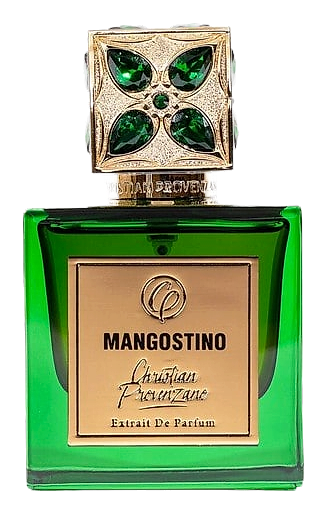
Christian Provenzano spent decades creating fragrances for houses that answered to markets, trends, and boards. Amouage. Penhaligon's. Each brief came with constraints, approved budgets, and safety parameters. Mangostino came from somewhere else entirely. The name points to mangosteen, the fruit sometimes called the queen of tropical fruits, with a thick purple rind hiding flesh that tastes like nothing else in the orchard. It is not easy to find. It is not easy to fake. Provenzano chose it because it could not be ignored. This is what happens when a perfumer who built a career on compositions that command attention finally has nothing to answer to but the work.
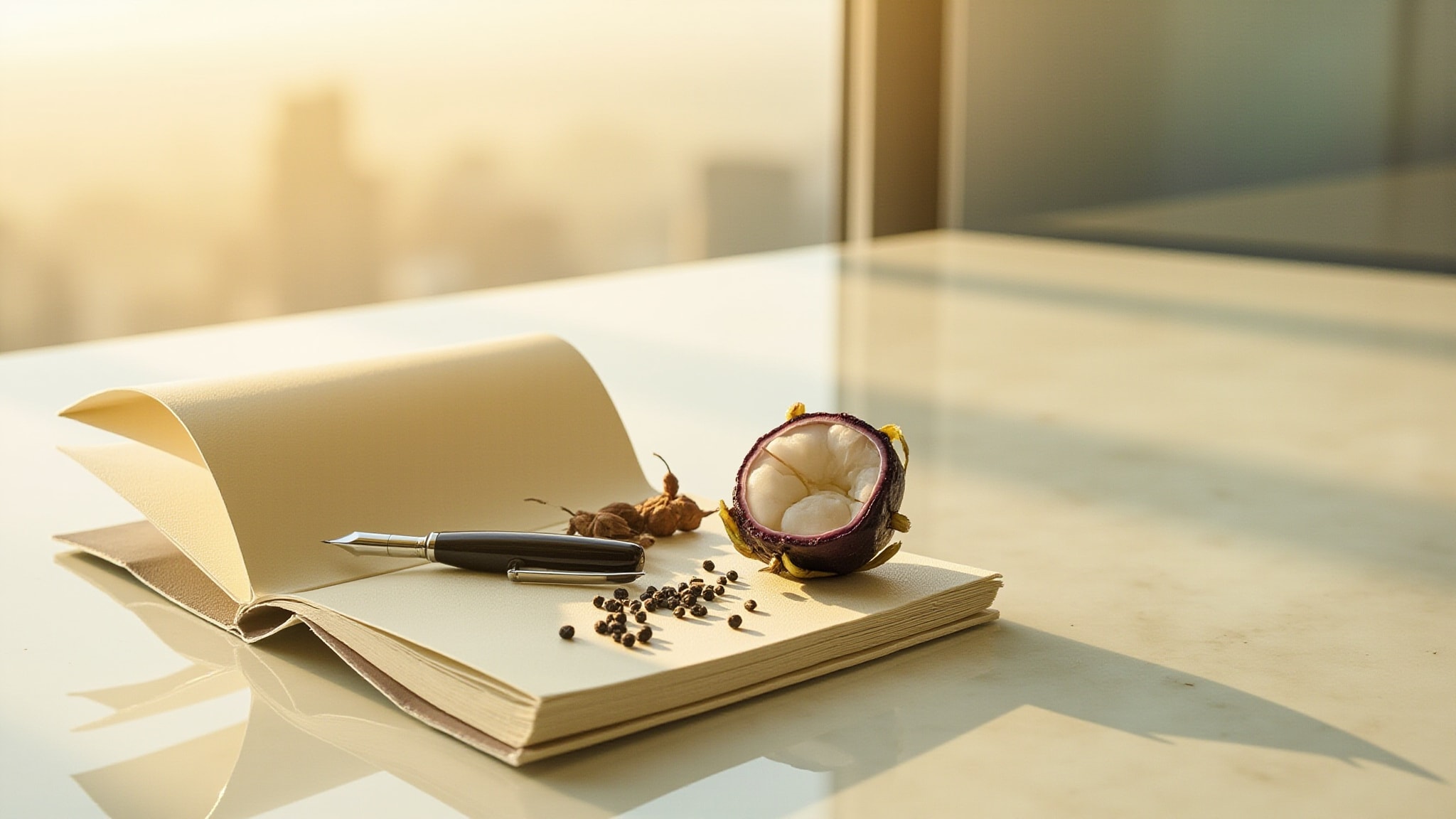
Mangostino layers two tropical heavyweights, mangosteen and Alphonso mango, in a way that is rare in Western perfumery. Most fragrances touch one tropical fruit and move on. This one doubles down, creating a sweetness that feels both ripe and slightly feral. The geranium is the secret bridge. It pulls the sweetness toward something greener, more aromatic, keeping the heart from becoming purely gourmand. Moroccan rose adds softness without surrendering the composition to florals. The base is where Provenzano's signature shows. Cambodian oud, leather, patchouli, vanilla, ambergris, a foundation built for depth and presence. This is not a summer scent that happens to have oud in it.
The evolution
The opening hits bright and tropical. Mangosteen reads almost tart against the sweetness of pineapple and raspberry, a fruit cocktail that does not apologize for itself. The black pepper is there too, subtle but present, keeping the sweetness from becoming syrupy. Thirty minutes in, the mango arrives. Creamy, rich, Alphonso-ripe. The geranium follows, pulling the composition toward green herbal territory before the Moroccan rose softens the handoff. This is the phase that makes you understand why it is called Mangostino rather than Mango-something. By the second hour, the base takes over. Leather and Cambodian oud ground everything, with guaiac wood adding a smoky sweetness and patchouli providing earth. Vanilla and ambergris extend the warmth without pushing it toward naivety. The drydown stays close to the skin but refuses to disappear, detectable on fabric the next morning.
Cultural impact
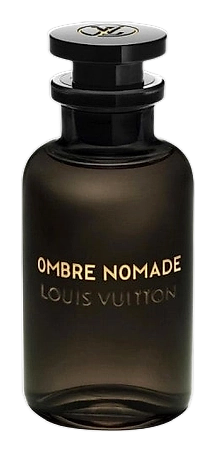
Christian Provenzano built a cult following through his work on Penhaligon's Halfeti and compositions for Amouage, becoming one of the most sought-after noses in niche perfumery. His own label gives him freedom that the corporate houses could not, and Mangostino is where that freedom lands. The fragrance occupies a specific corner of the niche market: tropical-fruity oud compositions with real weight behind them. Wearers who find Ombre Nomade too heavy or too smoky often land here. Mangostino offers the same oud depth with more tropical sweetness and a slightly more accessible drydown. For enthusiasts who want fruit and weight in the same bottle, it is one of the more coherent options in recent releases.