Alphonso mango
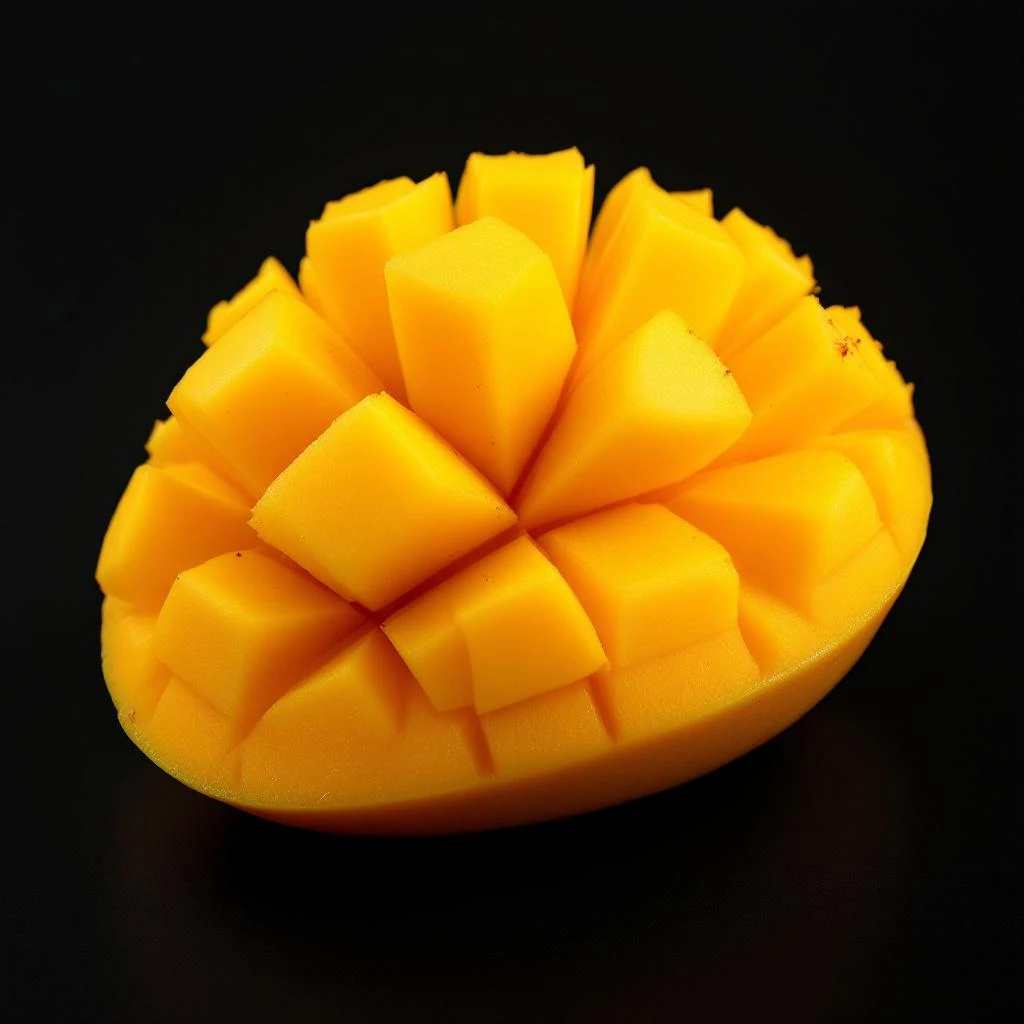
The Alphonso mango delivers an intoxicating tropical sweetness to fragrance, a velvety fusion of ripe peach, caramelized sugarcane, and lingering floral warmth that perfumers covet.
Character
How it smells
India's golden mango, bottled.
The Alphonso mango carries a Protected Geographical Indication tag, recognizing its unique cultivation along Maharashtra's coastal Konkan region.




Origin
India
The mango has grown wild across South Asia for over 4,000 years, earning reverence through Sanskrit poetry and Buddhist scriptures where it symbolized love and fertility. The Alphonso cultivar emerged centuries later in Maharashtra's Konkan coastal region, named for Portuguese general Afonso de Albuquerque who introduced grafting techniques that revolutionized local cultivation in the 1500s. Indian royalty valued this variety above all others for its rich, custard-like flesh and distinctive aroma.
Today Alphonso holds Protected Geographical Indication status, recognizing the unique terroir of Ratnagiri and Devgad districts that shapes its character. While perfumers cannot extract its scent directly, the reconstructed note honors a fruit woven deeply into South Asian cultural identity for millennia.
Wears it best
Fragrances featuring Alphonso mango
Brands
Brands known for Alphonso mango
Good to know
Questions, answered
The essentials on Alphonso mango in perfumery: how it smells, where it comes from, and how it behaves on skin.
What does Alphonso mango smell like in fragrance?
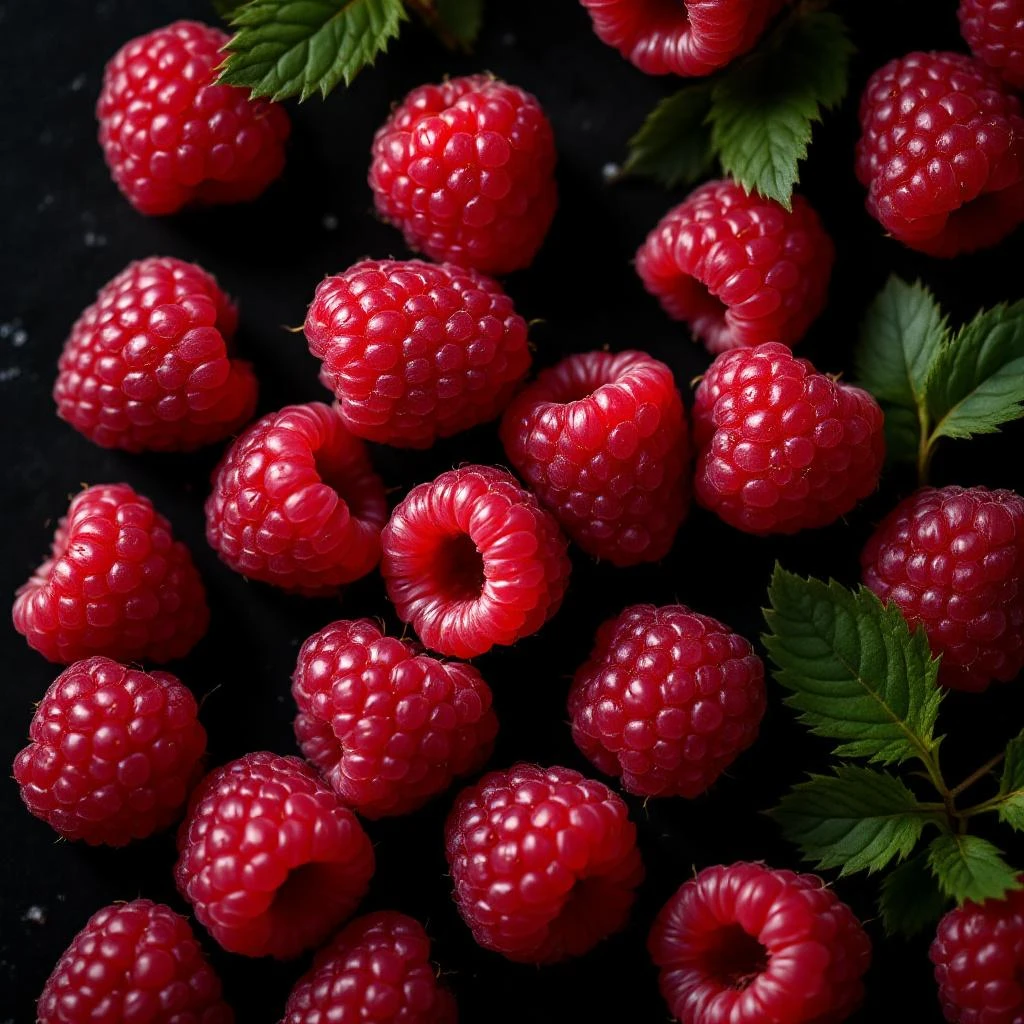
Alphonso mango in perfume reads as deeply ripe tropical fruit with creamy, almost custard-like warmth. The note carries peach-like sweetness, whispers of sugarcane, and subtle coconut and floral undertones that convey richness rather than sharpness.
Is Alphonso mango a natural or synthetic ingredient?
Alphonso mango is always synthetic in perfumery. Extracting aromatic compounds directly from the fruit yields extremely low quantities, making reconstruction the practical approach. Perfumers build the accord from individual aromatic chemicals that mirror the fruit's volatile profile.
What compounds create the mango scent?
Key aroma-impact compounds include various esters like ethyl butyrate, lactones contributing creamy coconut facets, and terpene compounds that add tropical depth. These molecules together create the characteristic juicy, velvety mango character.
Why choose synthetic mango over natural extraction?
Natural mango extraction is impractical because the fruit contains very low concentrations of aromatic compounds relative to its mass. Synthetic reconstruction gives perfumers reproducible, concentrated mango character with better staying power in formulations.
What fragrance families use Alphonso mango?
Alphonso mango appears most prominently in tropical and fruity fragrance families. Perfumers pair it with coconut, vanilla, passion fruit, and white florals to create beach-inspired and summer daytime compositions.
How does Alphonso differ from other mango varieties in perfumery?
Alphonso represents the premium, most aromatic tier of mango character in perfumery. The reconstruction emphasizes richness, custard-like sweetness, and depth rather than the sharper, more acidic mango notes sometimes used in fragrance.
Which famous fragrances feature mango?
Mango notes appear across various brands including Sol de Janeiro Brazilian Crush, Nest Madagascar Vanilla, and Byredo Sundazed. Each interprets the tropical fruit differently, from sun-drenched coconut blends to bright citrus-forward compositions.
Does Alphonso mango have cultural significance?
The mango holds sacred status across South and Southeast Asia, appearing in ancient texts and religious iconography. Alphonso specifically carries Protected Geographical Indication status in India, recognizing its singular character shaped by the Konkan coastal terroir.