The Story
Why it exists.
The beginning
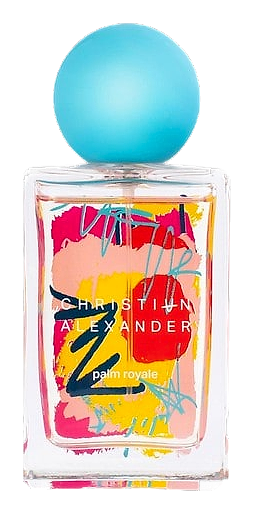
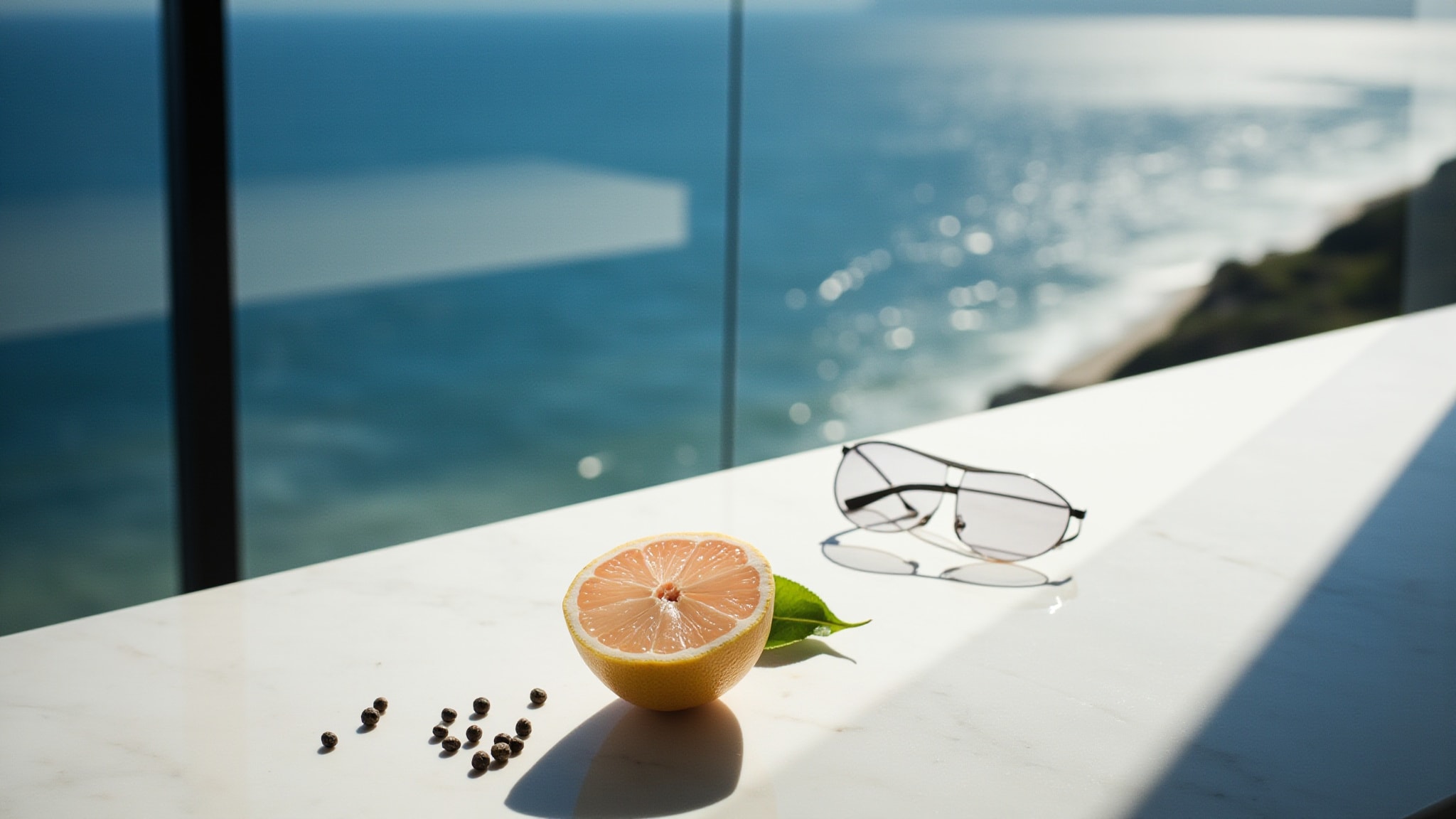
Palm Royale launched in 2025 under the creative direction of founder Christian Alexander, with perfumer Andrea de Lassus shaping its bright citrus-floral profile. The name suggests a tropical setting, but the composition takes a more polished route. Sicilian bergamot, white grapefruit, and orange bring the snap of citrus to the front, while black pepper, iris, and blackcurrant leaf keep the brightness from feeling simple. Fruit and flowers arrive next, then Haitian vetiver, cedar, aquatic notes, and musk bring a dry, mineral edge. It is built around contrast, the kind that makes a familiar summer mood feel newly framed.
The unusual part is how cleanly the composition moves between opposites. Citrus, melon, apple, and blackcurrant give it a juicy, generous quality, but iris, vetiver, cedar, and aquatic notes add a cooler, almost salt-lined structure underneath. Rose and jasmine soften the fruit without taking over, while black pepper adds a dry snap at the opening. Together, these notes make Palm Royale less like a straightforward tropical scent and more like sunlight caught on water: bright, fresh, and a little bit mineral.
The evolution
Palm Royale begins with a quick lift of bergamot, grapefruit, and orange, sharpened by black pepper and the cool metallic feeling of iris. That first impression is bright, citrusy, and almost fizzy, but fruit soon takes over as melon, apple, and blackcurrant introduce a juicy pulse. Florals follow, with rose and jasmine adding a polished white-floral bloom instead of heavy sweetness. As the hours pass, aquatic notes and cedar leave a breezy, mineral trace, while Haitian vetiver gives the drydown a firmer, earthy backbone. Musk keeps the finish clean. What lingers is less a beach cliché than a remembered atmosphere, fresh skin, shaded air, and the faint saltiness that stays after the water.
Cultural impact
Palm Royale sits in the bright citrus-aquatic register associated with warm-weather fragrance, while the name gives it a more playful, lifestyle-oriented identity. The available information does not establish a specific reception or cultural movement around the 2025 release, so its clearest context is the brand's stated interest in scent as a changing expression of the wearer.
The House
Christian AlexanderChristian Alexander presents fragrance as a form of personal expression, built around the idea of wearing different facets of oneself. Its wardrobe includes Provocateur, Palm Royale, Zesty, and Cozy, names that suggest contrasting moods and occasions without defining a single house style. The brand positions perfume as something that reflects its wearer rather than a fixed identity, with founder Christian Alexander credited with shaping the early creative direction. Public information about the house remains limited, so its character comes primarily from its stated philosophy, fragrance names, and visual presentation rather than a long record of perfumery milestones.
The Creator
Andrea de LassusAndrea de Lassus works with a clear preference for natural formulations and the expressive possibilities of raw materials. Her background in applied chemistry suggests a methodical approach to structure, balance and formulation, while her bespoke practice allows each compositi…