The Story
Why it exists.
The beginning
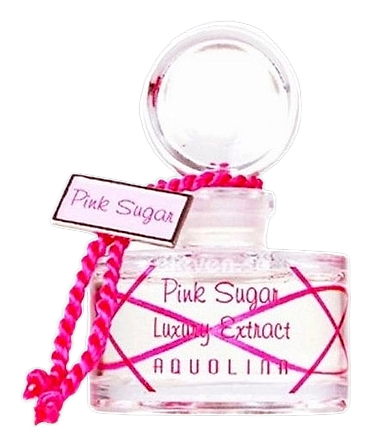
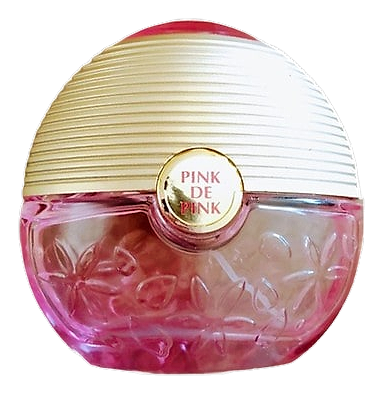
Pink de Pink landed in 2013. It was a floral-fruity built loud and unapologetic, aimed at a wearer who doesn't flinch at sweetness. The name does exactly what you think it does. It tells you what you're getting into, and dares you to pretend otherwise. There's a confidence baked into the concept from the very first spray, the kind of fragrance that announces itself rather than tiptoeing into a room. Sweet, yes, but the sweetness has structure. It's the difference between a candy store and a confectioner's workshop where everything is measured and composed. The fruit is loud. The florals give it lift. And somewhere underneath, the base pulls the sweetness back toward something more grounded, more wearable, more grown. That tension is the whole point.
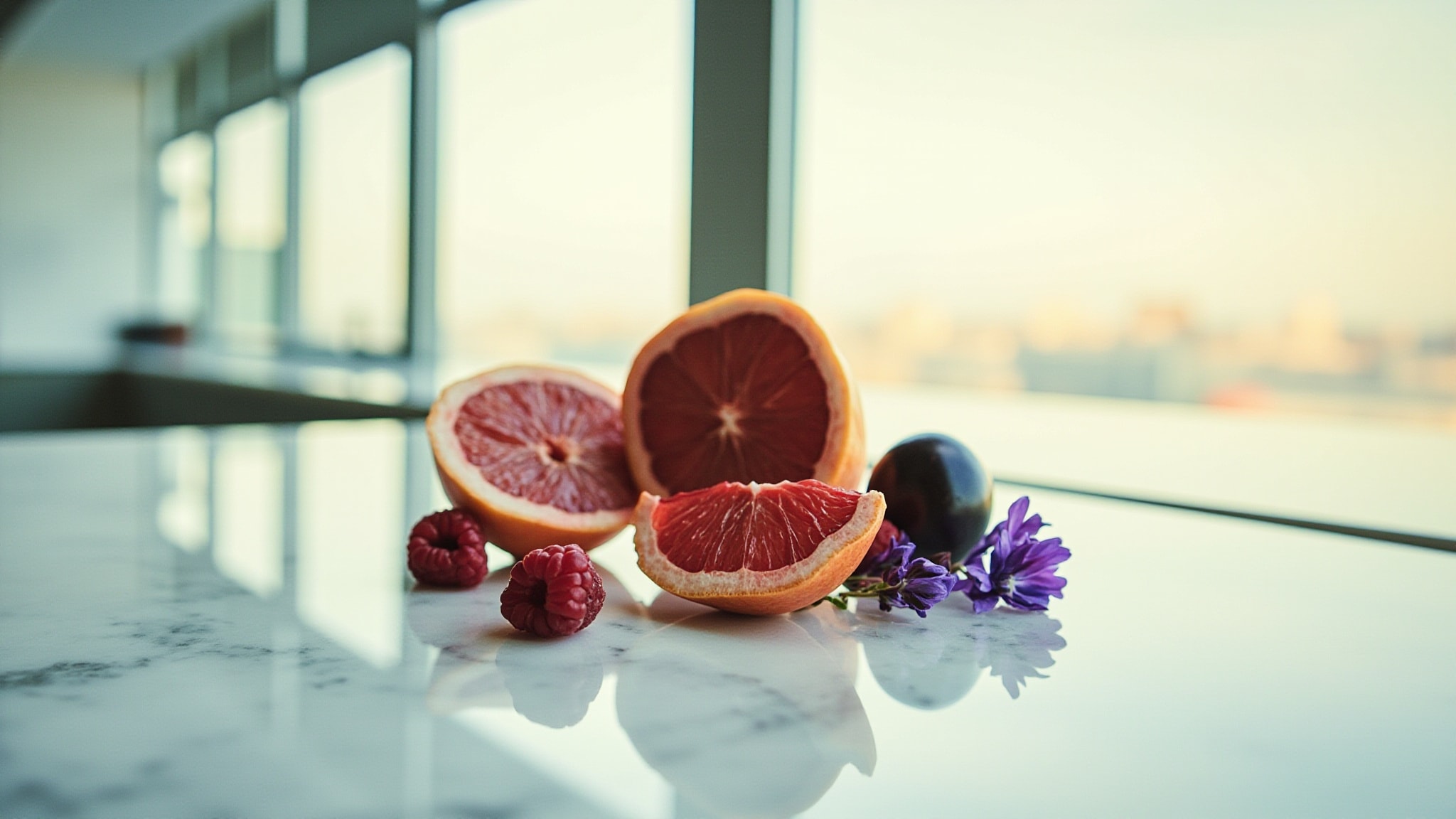
What's interesting here is the structural ambition hiding under all that fruit. Pink de Pink stuffs its heart with a dense bouquet of middle notes. Orange Blossom, Black Currant, Melon, Violet, Raspberry, Peach, and Plum, layered in a way that suggests the perfumer was testing how much sweetness a single composition could carry before buckling. Each one brings a different texture: the plush jamminess of plum and raspberry, the cool wet crunch of melon, the soft fuzz of peach, the tart snap of blackcurrant, and the powdery sweetness of orange blossom and violet.
The evolution
On skin, Pink de Pink opens fast and bright. Grapefruit and lemon hit first, sharp enough to cut through on a warm morning. This is where it gets interesting. The fruit accord blooms into something layered and almost narcotic. Plum and raspberry lend jammy depth. Orange blossom and violet add a powdery lift that keeps the sweetness from going cloying. White peach rounds the edges, soft and slightly fuzzy, a quieter note that softens the sharper fruits around it. As the composition dries down, the base takes hold and the whole thing shifts tone entirely. The oakmoss and patchouli settle in, grounding all that fruit with cool earth and quiet wood. Cedar sharpens the drydown, lending a dry, slightly pencil-like edge that keeps the sweetness from turning sticky. Tonka bean and vanilla sugar leave a warm, slightly edible trail that lingers on skin, soft and creamy without ever becoming heavy.
Cultural impact
Pink de Pink arrived in 2013 as a floral-fruity with real ambition under the sweetness. It sits firmly in the accessible category, the kind of scent that earns a spot on a vanity as an easy daily reach. The composition leans sweet on the surface, but there's enough moss, patchouli, and cedar in the base to give it weight beyond the simple gourmand-adjacent territory. The wearer tends to be someone who gravitates toward pretty, wearable scents and doesn't need their fragrance to fight for attention. Pink de Pink earns its place by doing the obvious thing, sweetness, and then quietly complicating it with structure.