The Story
Why it exists.
The beginning
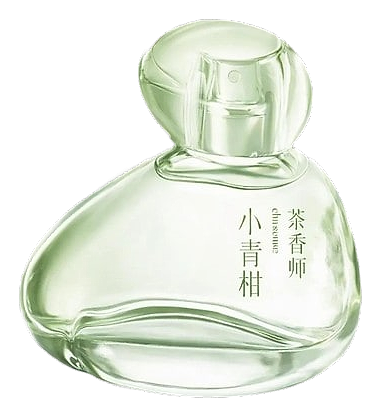
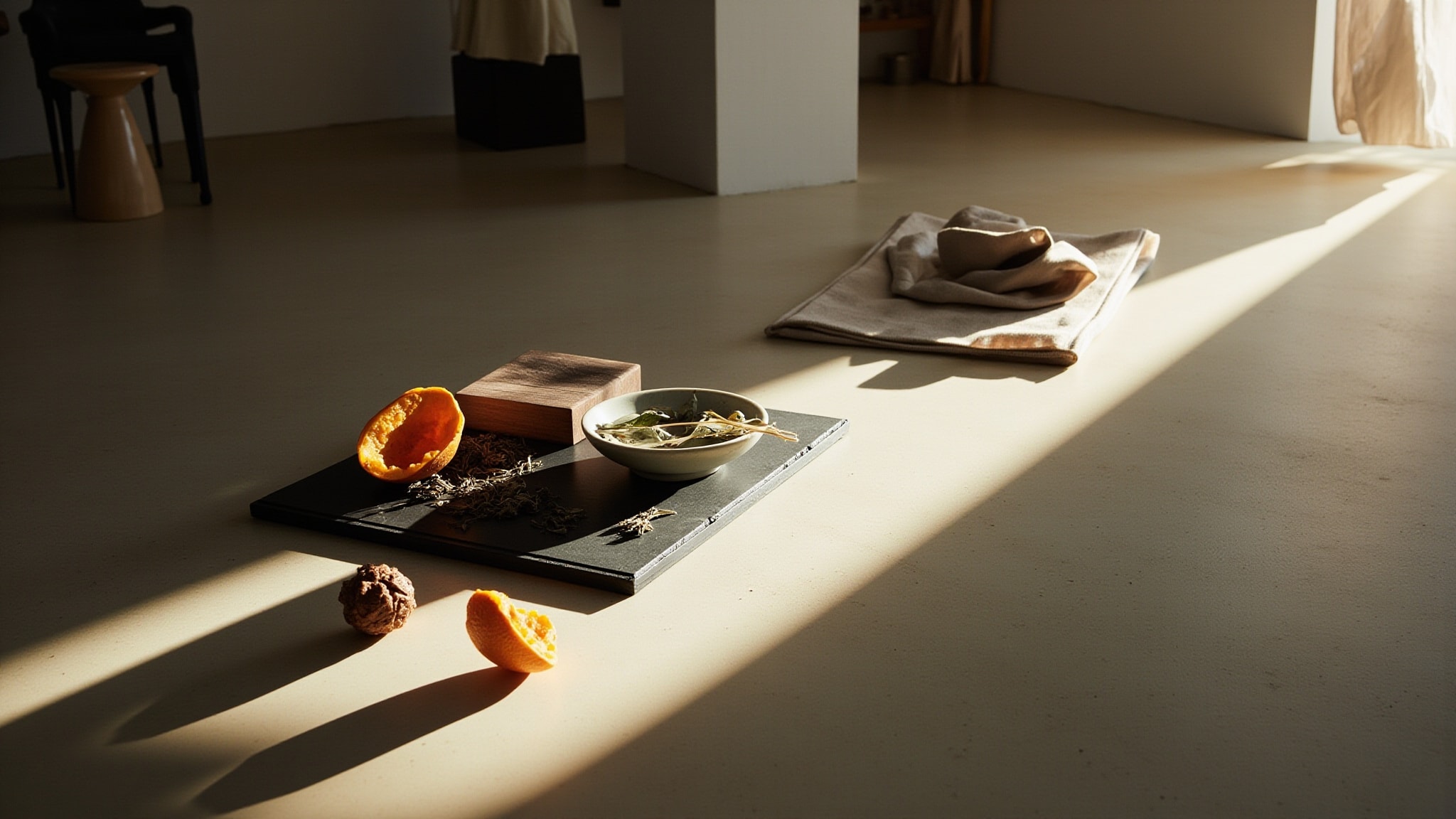
Ganpu, or gān pǔ, is a specific Chinese tea tradition: pu'erh leaves stuffed inside dried mandarin or tangerine peel, aged together until the fruit and the fermented tea become inseparable. Chasense, the Chinese house whose name literally means 'tea fragrance master,' translated that pairing into scent rather than cup. The Mandarin Orange up top isn't decorative, it's the peel itself, still carrying its essential oil. Pu'erh in the heart isn't a reference to the drink, it's an attempt to bottle the moment the peel and leaf have fused, months or years into their co-fermentation. The composition takes its name from a process, with citrus and fermented dark tea held together in a single structure.
Ganpu goes further by mashing two materials together, citrus peel and fermented dark tea, and asking the composition to hold both at once. Add guaiac wood and sage to bridge the two camps, and oakmoss, pine, and snow to anchor the drydown in something colder and older. It's a careful construction that earns its simplicity. The guaiac offers a smoked-honey warmth, the kind of resinous sweetness that makes the darker notes feel less austere. Sage cuts through with a cool, slightly peppery greenness, almost medicinal, pulling the composition back from the edge of heaviness.
The evolution
The opening lands clean and brisk, Mandarin Orange and bergamot doing what citrus does best, catching the air with a quick, sharp glow. The bergamot thins and the Mandarin starts to darken, pulling away from fruit and toward something resembling peel left on a counter. Eventually, pu'erh surfaces, not as a brewed-cup smell but as the dry, loamy depth of aged leaf, a little smoky, a little mineral. Sage threads through, herbal and clean, keeping the whole thing from collapsing into damp earth. Guaiac wood warms the spine. The drydown is where this fragrance settles into its real character: oakmoss and pine arrive together, cool and resinous, with the snow accord adding a kind of crystalline stillness that reads more like cold air than literal winter. The amber underneath doesn't glow so much as hum.
Cultural impact
Ganpu is a quieter composition, trading in the mineral, fermented register of aged pu'erh fused with dried citrus rather than chasing immediate sweetness or green freshness. It's not a fragrance that flatters in passing, it rewards proximity. The composition speaks to a specific kind of tea knowledge, the kind that comes from having spent time with aged pu'erh, from understanding the difference between raw and ripe fermentation, from recognizing the smell of citrus peel that has spent months sealed inside a hollowed mandarin.