The Story
Why it exists.
The beginning
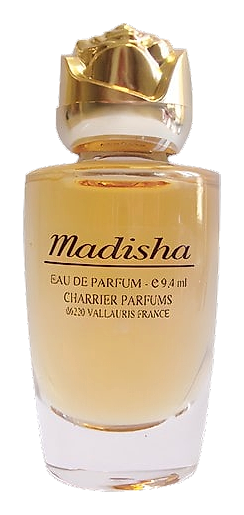
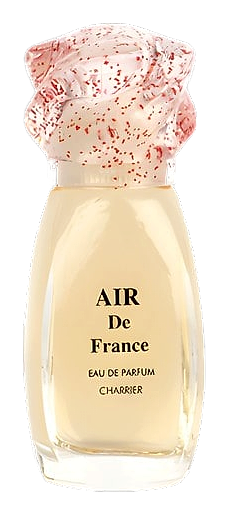
Air de France takes its name from more than an airline. It takes the idea of French elegance in transit, the golden era of long-haul glamour when getting somewhere meant something, and arriving well required intention. Charrier Parfums, a house rooted in Vallauris at the edge of the Grasse perfume region since 1888, captures that mid-century sensibility in this aldehydic floral. The composition leans into what made that aldehydic tradition so enduring: the bright, almost sparkling opening that feels like champagne catching light, the powdery floral heart that settles close, and the warm vanilla-sandalwood base that lingers without projecting. It's a quiet French perfume for someone who doesn't need the room to know they smell extraordinary.
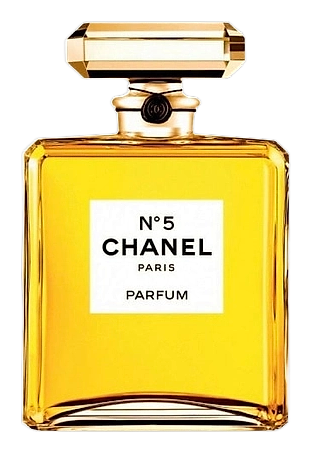
What makes this composition distinctive is the structural discipline. Aldehydes aren't a supporting player here, they're the architecture. The first spray announces them immediately: effervescent, almost waxy, with a mineral quality that lifts the citrus and neroli into something sharper than a standard lemon-bright opening. Neroli does the heavy lifting for the white florals in the top phase, bridging the aldehydes toward the heart without losing that shimmering quality. The heart leans heavily on iris, that powdery, slightly woody floral that gives Chanel No. 5 much of its signature character. Rose appears in moderation here, providing warmth rather than romance.
The evolution
The opening is all fizz and lift. Bergamot and lemon arrive crisp and bright, but the aldehydes are what you actually smell, their waxy, almost metallic shimmer elevates the citrus into something effervescent, like light refracting through crystal. As this phase evolves, the florals begin to assert themselves. The handoff is gradual. Iris emerges first, powdery and quiet, joined by lily of the valley's green-floral inflection. Rose adds a whisper of warmth. Jasmine anchors the heart without dominating. The composition reads as a single, cohesive floral rather than a sequence of distinct notes. By the time the drydown takes over, sandalwood arrives with its characteristic creaminess, vanilla follows with soft warmth, and amber provides a gentle sweetness. Vetiver grounds the base with earthiness that recalls the soil of Provençal botanical gardens. The aldehydes never fully dissolve.
Cultural impact
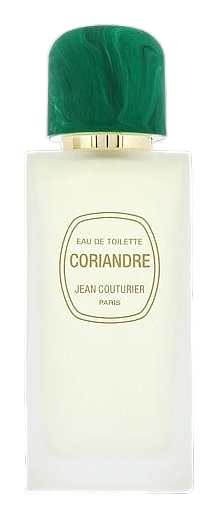
Air de France occupies a specific place in the aldehydic-floral tradition that defined French perfumery in the mid-twentieth century. Its structural DNA places it alongside classics like Chanel N°5 (1921), Jean Couturier Coriandre (1973), and Emanuel Ungaro Diva (1983), fragrances that share aldehydic openings and powdery floral hearts. Wearers who appreciate that era's formality tend to find in Air de France a wearable, approachable entry point. The aldehydic character and warm vanilla drydown suit cooler seasons and dressed-up occasions, while the composition remains versatile enough for a range of settings.