The Story
Why it exists.
The beginning
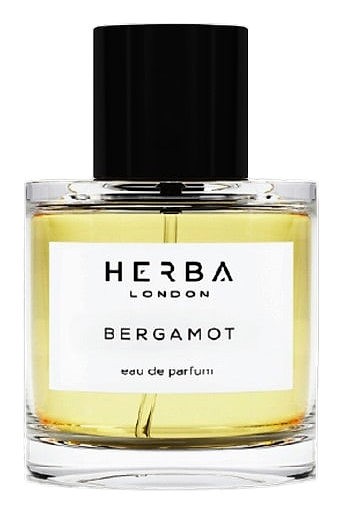
Bergamot by Amygdala arrived in 2016 as part of the brand's opening collection, a debut lineup of ten single-note fragrances conceived by UK-based perfumer Kimberley McGovern. The concept was disarmingly direct: take one raw material, treat it with the seriousness usually reserved for a fifty-note composition, and see what a single ingredient can do when nothing gets in its way. Bergamot was the obvious cornerstone, the cleanest entry point into a house built on patience with individual materials. McGovern selected Calabrian bergamot for the release, the variety grown along Italy's southern coast where the fruit develops its particular combination of green peel, warm citrus pulp, and a faintly bitter edge that cheaper bergamots flatten out. The fragrance contains nothing else.
What makes a single-note fragrance worth wearing is the quality of the raw material inside it. Calabrian bergamot is the most regulated citrus in the world, grown almost exclusively in a narrow coastal strip of Calabria where the combination of climate, soil, and centuries of cultivation produces an oil with remarkable depth. Most commercial bergamot is touched up, stretched, or reconstituted from isolated aroma chemicals. Amygdala's choice to feature it without accompaniment is a wager that the unadorned material holds up on its own. The accords listed (citrus, fresh spicy, aromatic, floral, woody) come from bergamot itself, which contains dozens of trace aromatic compounds beneath its dominant citrus profile.
The evolution
The opening hits fast, within minutes of application, and announces itself with that unmistakable Calabrian character: bright citrus with a green peel bitterness and a slightly peppery edge that most people associate with Earl Grey tea. There's no synthetic twang, no lemon floor-cleaner sharpness. The first hour is the loudest phase, projecting a modest bubble around the wearer before settling closer to the skin. Around the two-hour mark, the citrus softens, losing its sharp top notes while the warmer, almost floral mid-tones of the bergamot oil emerge, the parts that read as faintly aromatic and faintly floral on the accord list. By hour four or five, what's left isn't really a citrus anymore. It's a warm, skin-like trace, almost musky in its closeness, the lingering effect of the oil's heavier fractions that take longest to evaporate. On fabric, it can linger considerably longer, sometimes into the next day as a faint warmth rather than a recognizable scent.
Cultural impact
Single-note fragrances occupy a specific niche in independent perfumery, the place where material sourcing becomes the entire creative act. Amygdala's debut collection sits firmly in that tradition, asking wearers to pay attention to differences between one bergamot and another, one oakmoss and another, in a way that mainstream fragrance rarely invites. The brand takes its name from the brain's emotional center, aligning the concept of single, undistracted raw materials with the idea of an undistracted sensory signal.
The House
CelioCelio (sometimes stylized Celuí) is a Los Angeles-based niche fragrance house built on a curious premise: scent as something felt, not just smelled. Founded in 2020 by Nicole Townend and Veronica Hu, the brand leans into pheromone-infused perfumery with the goal of creating an almost magnetic pull between wearer and admirer.
The Creator
Kimberley McGovernMcGovern favors intimate compositions, the kind that reward close wearing rather than projecting across a room. Her work tends toward the personal and slightly nostalgic: soft florals, vanillas, powdery accords, and the occasional surprise of something greener or more animalic.