The Story
Why it exists.
The beginning
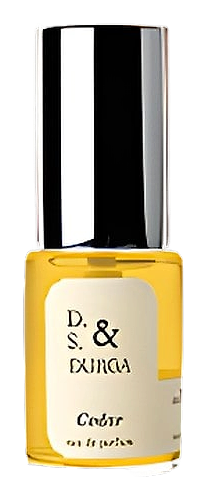
Cedar is a Solos piece from the Feminine Collection II, and that framing does a lot of the work upfront. This isn't a femme floral dressed up in cedar for contrast. It's a single subject, approached head-on: the dry, burning-cedar smoke of Native American ceremonies, the kind of atmosphere that has nothing to do with luxury and everything to do with presence. The wood is the composition. Everything else exists in relation to it. That single-note discipline is what separates Solos from the rest of the catalog, and Cedar is one of the clearest expressions of the concept. No supporting orchestration, no cushion of amber or vanilla to round the edges. Just the material itself, presented without apology.
What makes Cedar structurally unusual is its narrow cast. Most rose-woods reach for supporting players, layering in vanilla, oud, or musks to round the architecture. Cedar keeps the spotlight tight: three cedar species carrying the structure, with a single rose threading through the middle. That restraint is the point. Atlas cedar, Virginian cedar, and Hiba cedar form a three-wood foundation, each contributing a different shade of dryness and depth. The rose sits between them, neither leading nor disappearing, more like a thread of color pulled through a wooden plane.
The evolution
Cedar opens dry and almost architectural, more board-formed than perfumed. The initial impression is one of clean wood, dry and tightly composed, with very little of the sweetness or moisture that typically signals a mainstream fragrance. Within the first twenty minutes, the rose begins to emerge, but it arrives dusty and compressed rather than dewy, sitting low against the cedar rather than rising above it. There's a faint smoke quality that gradually surfaces underneath, the kind of wisp that suggests a stick of incense smoldering somewhere out of frame. Over the next hour, the wood notes settle and blend, losing their individual edges and starting to read as a single unified material. The rose becomes harder to isolate from the woods, integrating into the grain rather than standing apart as a distinct floral layer. It doesn't bloom in the traditional sense.
Cultural impact
Cedar occupies a specific niche in the D.S. & Durga catalog: a rose-wood fragrance that refuses to soften its edges. Where many compositions in the rose-wood category lean on sweetness or gourmand warmth to bridge the two materials, Cedar keeps both notes in their drier, more austere registers. That choice gives it a particular kind of presence. Wearers tend to gravitate toward it when they want their fragrance to feel structural rather than decorative, material rather than ornamental. The Native American ceremonial reference gives the composition a groundedness that separates it from purely aesthetic cedar fragrances.