The Story
Why it exists.
The beginning
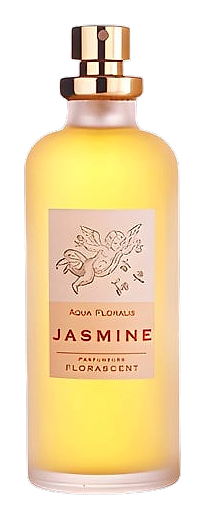
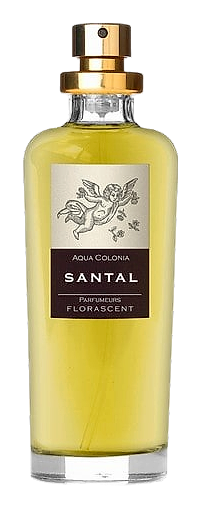
Santal arrives without a verified launch year or named perfumer, so its story lives in the composition. Florascent, founded in Germany in 1991, places the fragrance within a house philosophy of balance, subtlety, and quiet companionship. The name points to sandalwood, but this isn't a one-note study of wood. Cardamom and allspice bring a measured warmth at the start, while jasmine sambac and rose keep the center alive with a floral pulse. The result is a men’s fragrance that feels composed, not showy, and more interested in a personal signature than a room-filling declaration.
The structure is what gives Santal its character. Cashmere wood creates a smooth opening texture, while cardamom and allspice add dry, aromatic heat rather than a heavy spice blast. Jasmine sambac and rose introduce a slightly indolic floral edge, keeping the woody center from becoming static. Indian sandalwood anchors everything, turning the earlier brightness into a warm, resinous close. It’s a useful contrast: familiar sandalwood, but with enough spice and floral tension to keep the scent from reading flat.
The evolution
The opening begins with cardamom, cashmere wood, and allspice, a dry and aromatic combination with a little bite. Within the first phase, the fragrance feels like polished wood and restrained spice, not a shouted gourmand. Jasmine sambac and rose then surface, bringing a darker floral hush that changes the temperature without taking over. Indian sandalwood gradually takes the lead as the composition settles, leaving behind a warm woody trail with balsamic and resinous depth. Across the 4-6 hour wear, the flowers become less distinct while the sandalwood remains the clearest thread, close to the skin and easy to recognize.
Cultural impact
Florascent is positioned for the thoughtful collector who treats fragrance as a private language, choosing subtlety over flash. Santal fits that register as a personal, composed woody scent, suited to people who discover quietly and wear fragrance as a form of self-recognition rather than spectacle.