The Story
Why it exists.
The beginning
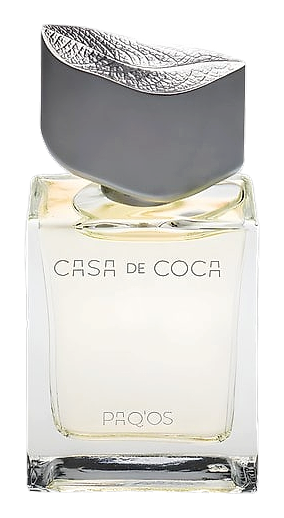
Paq'os takes its name from a term rooted in Andean priestly ceremony, where coca leaves served as intermediaries between human and cosmic realms. Launched in 2021, it marks Casa de Coca's tribute to that spiritual lineage, a house inspired by Inca tradition and Peru that channels Andean mysticism through perfumery. The nose behind it is Bertrand Duchaufour, whose work has long traversed disparate cultural territories. His approach here is direct and material rather than symbolic, grounded in the raw ingredient rather than the idea of it. Pink pepper oil arrives direct from Peru, anchoring the formula in the botanical source of its inspiration rather than a synthetic stand-in.
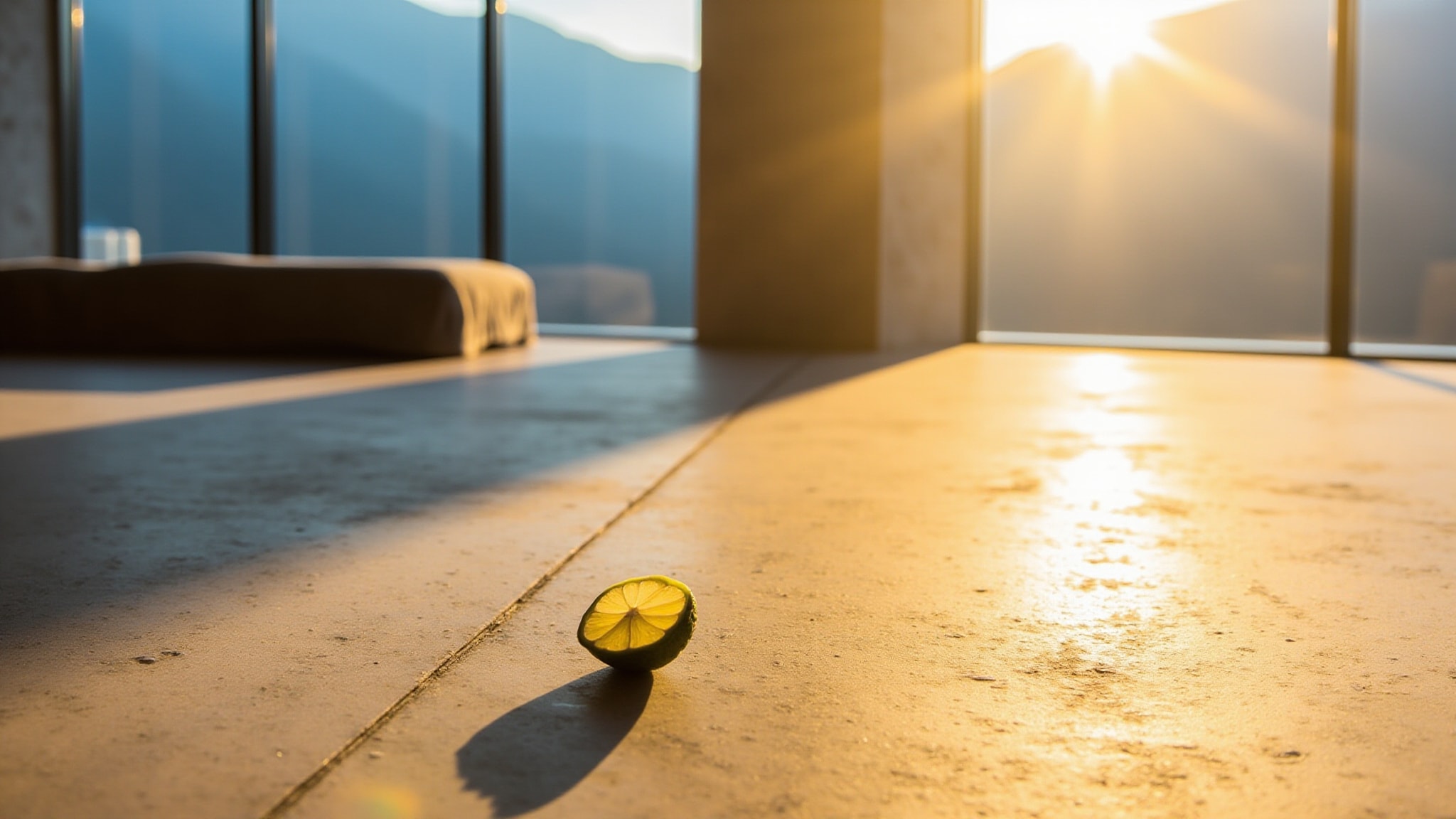
Lime and juniper at the opening could have cascaded into a green explosion, but here they hold their position, contributing texture and lift rather than dominating the frame. The pairing of mate with frankincense in the heart carries genuine structural weight. Mate brings its tannic warmth, the slightly bitter quality of steeped leaves held close. Frankincense enters with resinous depth, its smoke-like quality acting as a quiet frame around the other materials.
The evolution
On skin, Paq'os unfolds in clear stages but without sharp transitions, more like light shifting than acts changing. The opening announces itself within the first ten minutes, juniper leading with a crisp, almost coniferous clarity, lime lifting it into something bright and slightly sharp, pink pepper threading heat through both without tipping into spice. The heart arrives around the thirty-minute mark. Mate softens the citrus edge into something rounder, warmer, the tannic quality of steeped leaves rather than brewed coffee. Frankincense arrives quietly, not as smoke but as stillness, a resinous hush that pulls the composition inward. By the two-hour mark, cedarwood has taken over the architecture, dry and warm in the way only cedar can be, and the musk is already establishing its long residence close to skin.
Cultural impact
Paq'os treats Peruvian heritage as material for serious perfumery, a sustained engagement with cultural source rather than a passing reference. Where many green-fresh compositions chase brightness for its own sake, this one leans toward a more grounded register, closer to contemplation than celebration. The mate-and-incense pairing carries genuine structural weight, a combination that doesn't appear often in commercial perfumery and that signals a particular creative direction. The result is a scent that wears quietly, offering its references to those who lean in rather than broadcasting them to a room.