The Story
Why it exists.
The beginning
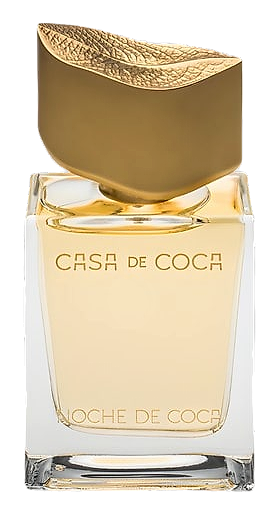
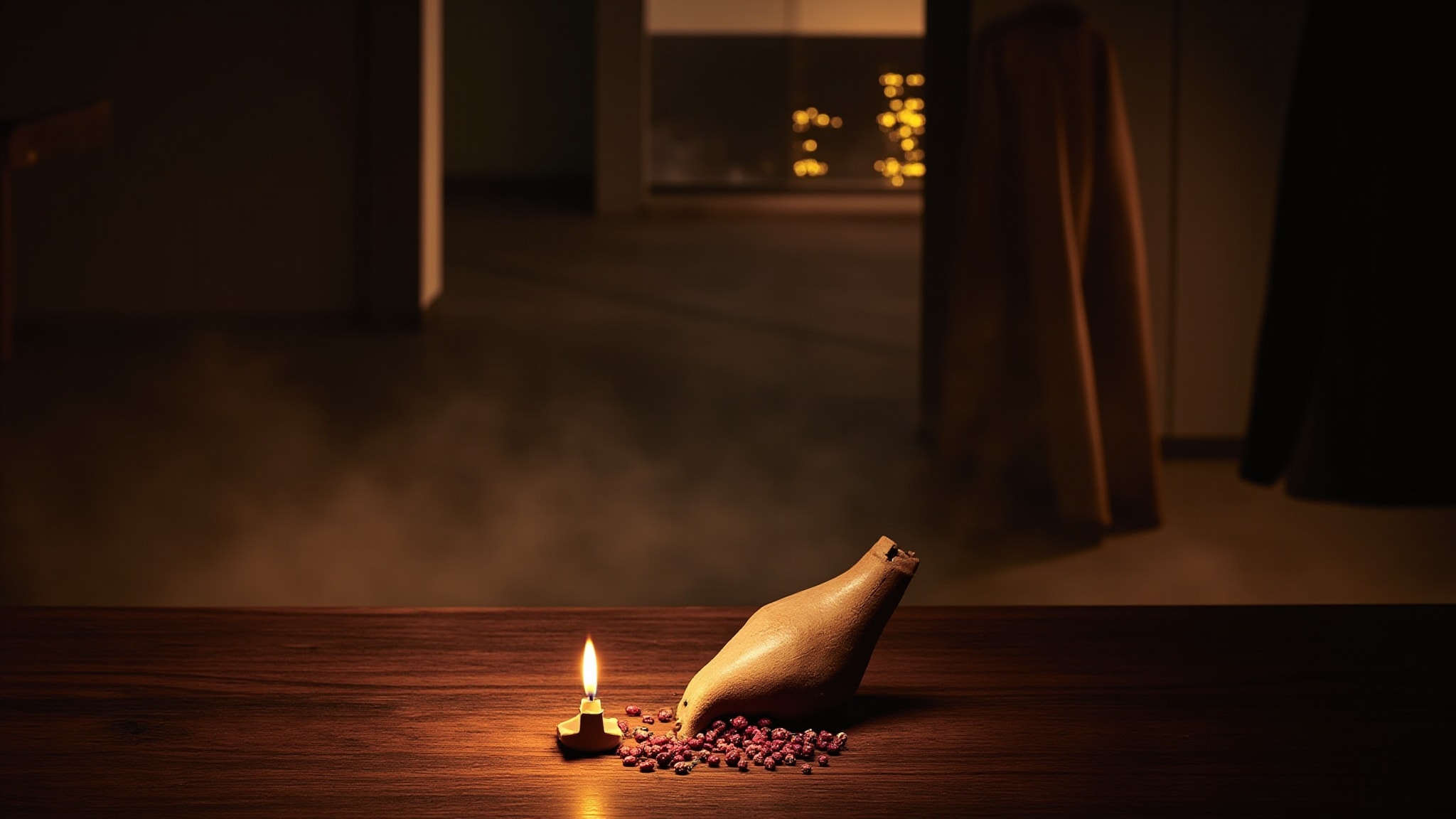
Noche de Coca is Beatrice Graf's vision of what Andean ceremony smells like after dark. Coca leaf, sacred in Peru for millennia, gives the fragrance its name and its cultural weight. Graf grew up between two worlds, German by birth, Peruvian by heritage, and she built Casa de Coca to translate that duality into something wearable. This is not surface-level exotica. The fragrance emerged from her desire to communicate Peru through sensory and emotional authenticity, not stereotypes. Noche de Coca, named for the night ceremony where coca was central to ritual and communion, captures the solemnity and opulence of Inca court life, embroidered robes, heavy gold, and the particular silence of sacred space. Perfumer Bertrand Duchaufour was the natural collaborator: his reputation for translating cultural narrative into olfactory form made him the right person to execute Graf's vision without diluting it.
What makes Noche de Coca structurally unusual is the mate absolute in the base. Mate is not a standard perfumery material, it reads differently on every nose, sometimes as a smoky tea, sometimes as a green-tobacco warmth that sits closer to skin than most base notes. Paired here with labdanum, it doesn't announce itself so much as exhale. The allspice in the heart does something interesting too. It bridges the bright pepper opening and the leather mid-section without smoothing the transition. The spice arc stays sharp for the first thirty minutes, almost confrontational, then pivots into warmth as the leather emerges and the davana's fruity sweetness fades.
The evolution
The first thing that arrives is bergamot and davana together, bright, slightly medicinal, with a camphor-like coolness that doesn't prepare you for what's next. Within minutes, pink pepper and allspice crash in simultaneously. The combination is sharp and aggressive, almost startling in its intensity. If you've encountered allspice in a kitchen context, forget it, here it's drier, more aromatic, less sweet. The davana's fruitiness vanishes entirely, replaced by spice that announces itself without apology. The leather doesn't wait. It arrives in the mid-section, warm and slightly animal, taking over as the pepper softens. What follows is the slow, satisfying unraveling of the base: mate absolute appears first, a green-tobacco warmth that keeps the fragrance intimate rather than projecting. Labdanum and resin widen the stage, balsamic, sweet, with a faint wine-like quality that one reviewer compared to a sweet fortified wine. The drydown holds close to skin for hours after that. You catch it when you move, when you raise your wrist.
Cultural impact
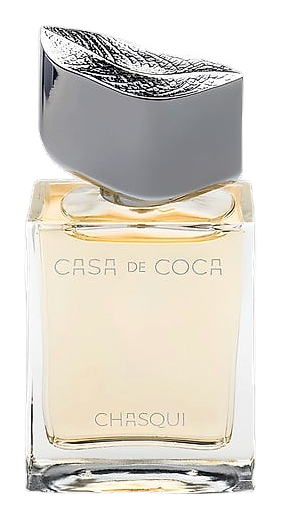
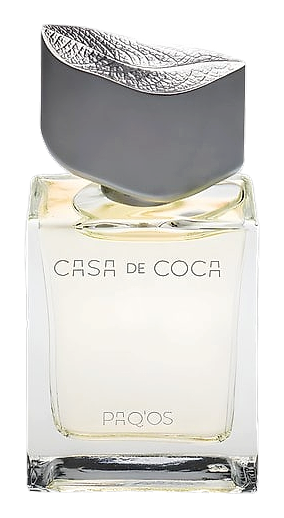
Casa de Coca occupies an unusual position: a German house that sources its identity from Peru without resorting to tropical clichés. Noche de Coca is the third in a trio that includes Chasqui and Paq'os, all taking their names from Andean cultural vocabulary. Graf's editorial background, a senior role at Vogue Munich, informs a curatorial restraint in the brand's visual language and fragrance construction alike. The house avoids the performative excess common to niche perfumery. There is no mythology invented around ingredients. The cultural reference is specific and verifiable, and the compositions aim for specificity over wide appeal.