The Story
Why it exists.
The beginning
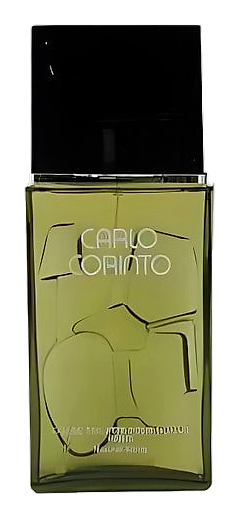
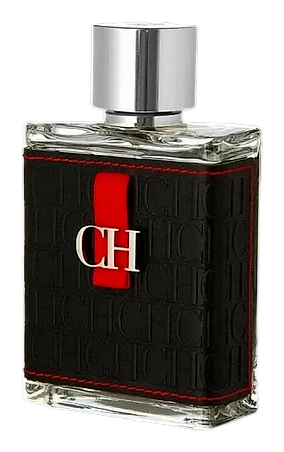
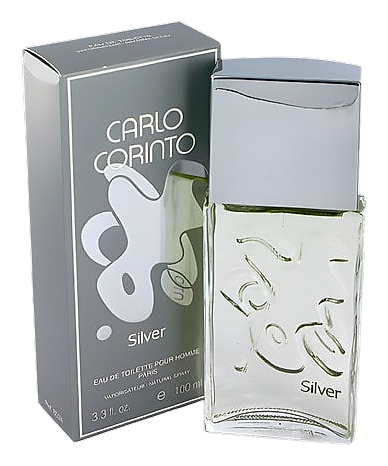
Released in 1984, Carlo Corinto Silver arrived as part of an early fragrance identity with a focus on accessible compositions that bridged classic structure and contemporary clarity. Its placement within the brand's lineup shares company with the original Carlo Corinto, the moment when the house was first mapping out its own vocabulary of scent. Silver reads as a younger, brighter sibling. The name suggests clarity rather than ornament. The bottle, the name, the notes: everything about it points to a daylight fragrance built for warm climates and warmer skin.
What makes Silver interesting is the raspberry. Most citrus-woody compositions tend to play a familiar line, lavender over sandalwood, maybe a touch of moss at the base. Carlo Corinto threw fruit into the heart and trusted the base to hold it together. The raspberry doesn't read as confection. It reads as brightness with a pulse, giving the lavender something to lean against instead of swallowing it whole. That structural choice, placing a sweet-sharp note between the herbal top and the woody bottom, gives the composition its nervous energy.
The evolution
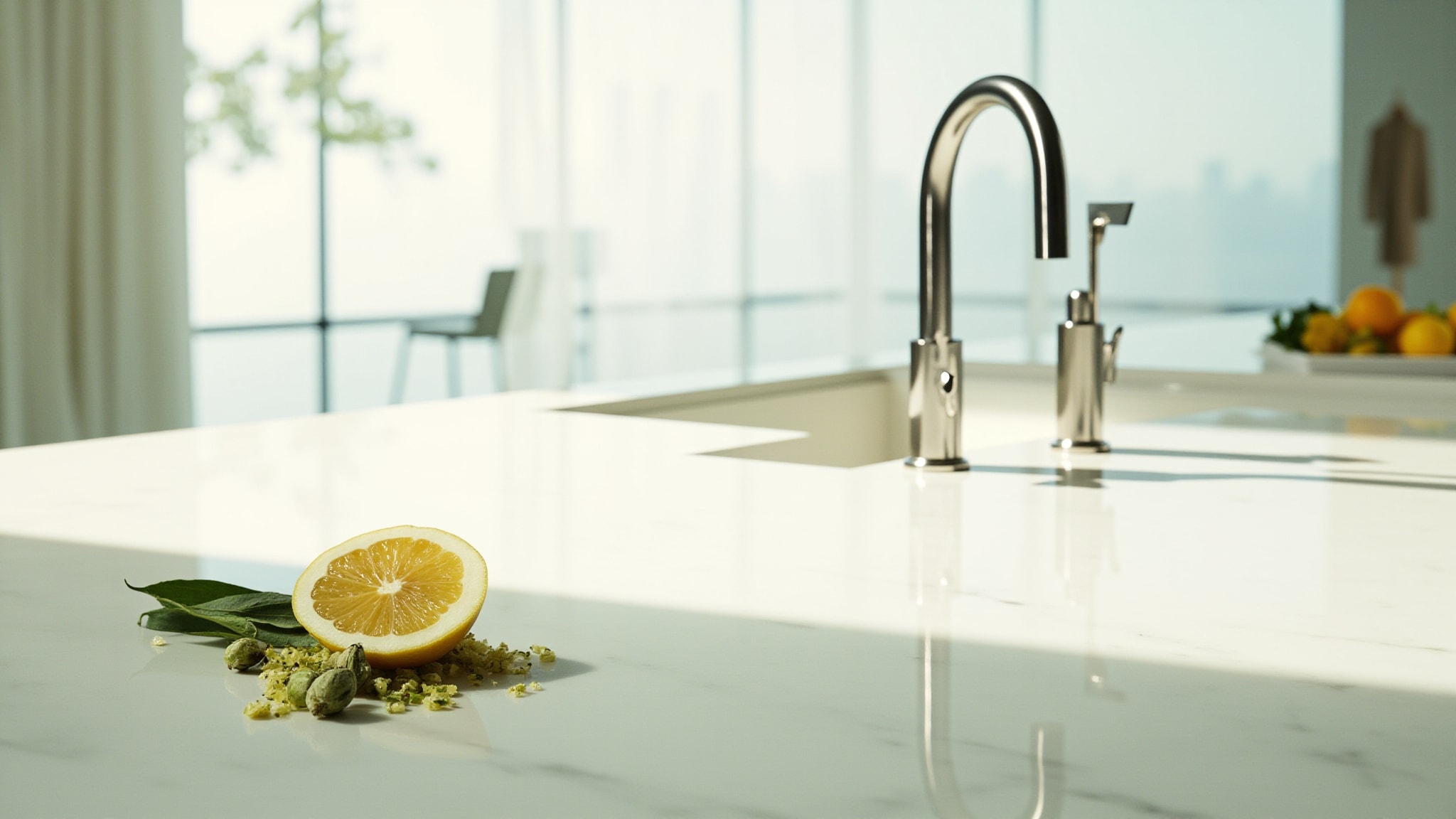
The opening minutes belong entirely to the top. Lemon and bergamot hit bright, almost sparkling, with hyssop threading through like cold herbs crushed between fingers. Cardamom warms the edges just enough to keep the opening from feeling like a cologne splash. The first impression is one of clean clarity, the kind of crispness that catches the light off a glass surface, which is precisely where Silver earns its name. As the minutes pass, lavender and geranium take over, and the raspberry appears, not as a jammy sweetness but as a tart lift that keeps the lavender from going soapy. Everything reads clean, almost metallic, like light off polished glass. Past the two-hour mark, the base starts pulling weight. Sandalwood arrives soft and creamy, patchouli grounds it with that dry, earthy hum, and balsam fir adds a cool resin edge.
Cultural impact
Silver sits within a lineage of bright aromatic compositions from the 1980s that helped define what fresh, daytime-friendly masculine scent could mean at the time. Its placement in the Carlo Corinto lineup marks the house's commitment to daylight fragrances built around clarity and lift rather than the denser, resinous territory that dominated evening wear. The composition's blend of lemon, lavender, raspberry, and a sandalwood-patchouli base gives it a warmth that reads well on skin in warm weather, and the overall character skews toward the kind of clean, wearable structure that makes a fragrance easy to reach for repeatedly.