The Story
Why it exists.
The beginning
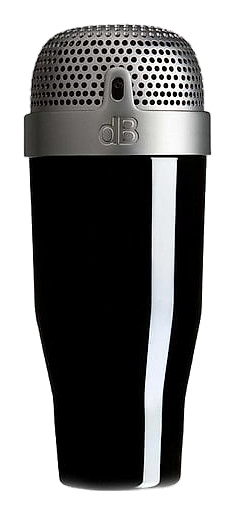
The name came first. Decibel, a unit of sound, a measure of intensity. The idea was always about volume: not just fragrance as ambiance, but fragrance as presence. Christophe Raynaud built this around an unexpected axis, sweet balsamic warmth colliding with airy aldehydes and smoky incense. It's the volume turned up on Mediterranean boldness. Not a whisper. A declaration.
What makes the composition work is its refusal to pick a lane. The aldehydes give it a sparkle that reads almost electric, a cool-top note against the warm balsamic base. Licorice bridges the two, anise-sharp, polarizing, unmistakably present. The incense doesn't tiptoe in. It arrives dense and smoky, takes up space in the heart, and refuses to apologize for it. By the time vanilla and tonka bean soften everything in the drydown, the fragrance has already made its point.
The evolution
The opening hits bright and fizzy, aldehydes popping against Amalfi lemon zest, like the crackle before a soundcheck. The licorice arrives fast, threading its aniseed sweetness through the citrus like a strange melody you can't quite place. Thirty minutes in, the incense takes over the heart, heavy, smoky, filling the space the citrus left behind. It doesn't fade politely. It holds. The drydown is where Decibel earns its keep: vanilla cream pooling around tonka bean, Haitian vetiver giving it a root-earth undertone that keeps the sweetness from floating away entirely. Six to eight hours, close to the skin, present without overwhelming. The next morning it's a warm skin-note, vanilla and smoke worn down to something intimate.
Cultural impact
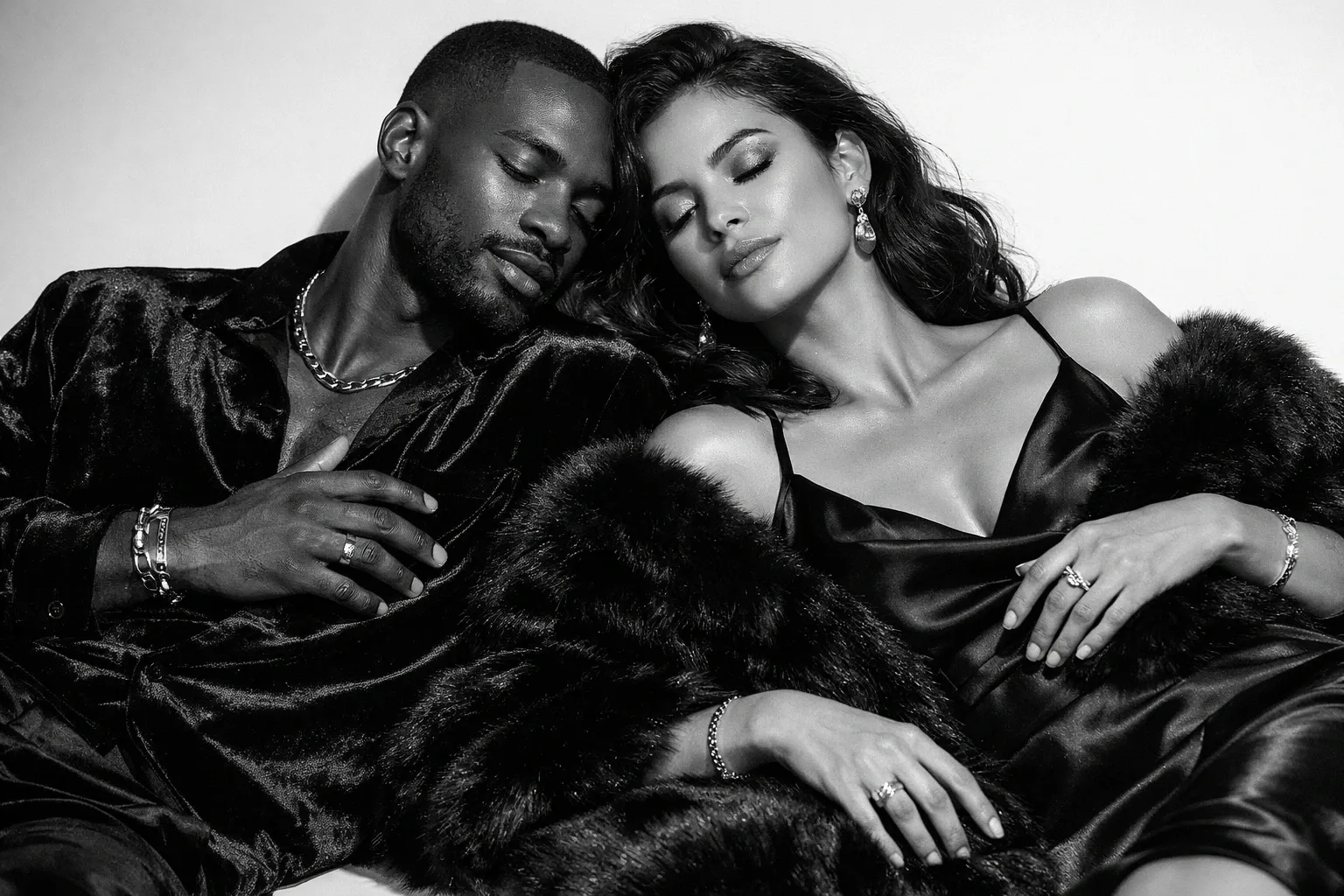
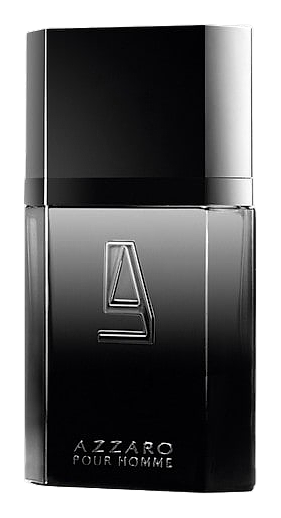
Decibel occupies a specific corner of the Azzaro lineup, the one for people who loved Wanted but wanted something stranger, louder, less safe. While Azzaro pour Homme remains the house cornerstone and the Wanted collection dominates the entry-level market, Decibel asks different questions. It's been called polarizing, synthetic, and oddly nostalgic, evoking late-night spaces, smoky rooms, and a certain 90s club energy that most modern releases have moved away from. Julian Casablancas fronted the campaign, and that says something about the intended wearer.