The Story
Why it exists.
The beginning
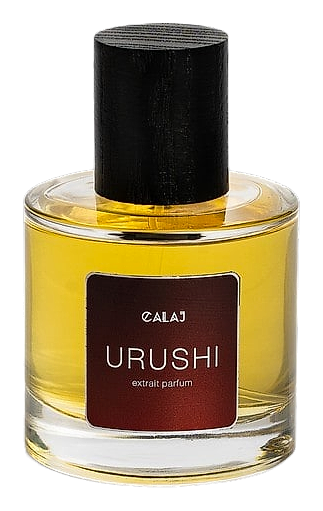
Flavius Călaj built Urushi around a fundamental tension. Beautiful on the surface. Alive underneath. The fragrance translates that duality into scent, a composition that begins in the garden and ends somewhere considerably more primal. There's an honest contradiction at work here, one that rewards patience and punishes expectations. The opening unfolds with bright, green clarity before gradually revealing its darker, more complex character. As the hours pass, the fragrance shifts from luminous to animalic, from delicate to demanding. What starts as an inviting introduction slowly strips away its politeness, exposing something raw and insistent beneath. It's a scent that demands attention without ever begging for it. The duality never fully resolves, and that's precisely the point.
The structure is unusual. Six top notes, that's already a crowded stage, but the real story is the base. Civet and ambergris form a foundation that carries significant weight. Both materials carry history, with civet from the perfumer's traditional toolkit. The combination brings warmth and a certain rawness that lifts the entire composition. Add honey and patchouli underneath, and the foundation becomes something that pushes back against the sweetness above. The fig in the heart does quiet work, bridging the fruit opening and the animalic base without announcing itself.
The evolution
The first five minutes are bright and unexpectedly green. Basil announces itself before the bergamot fully arrives, and pink pepper adds a slight electrical crackle underneath the pineapple and pomegranate sweetness. It's juicy without being sweet, which is a trick. Then the cyclamen softens everything, and by minute fifteen the top notes begin their exit. The heart arrives slowly, but when it does, it fills the space the top notes are leaving behind. Tonka bean and fig create a warm, slightly powdery sweetness, while incense and ginger push back against it with clean heat. The honey doesn't announce itself loudly, it sweetens the transition more than it dominates. By hour two, the base takes over. This is where it changes. Patchouli grounds everything, but the civet emerges from underneath, and the ambergris gives it a marine-animalic depth that lingers. The musk is quiet, it holds the whole thing against your skin rather than projecting it outward. By hour four, you're wearing something intimate and close. Not polite. Not safe.
Cultural impact
Urushi landed as an exclusive release, positioning itself outside conventional indie fragrance territory. The fragrance's animalic base, with civet and ambergris together, sets it apart from the approachable compositions that dominate much of the niche market. For collectors who track Calaj's catalog, Urushi offers a distinct character compared to the brand's broader range. The scent attracts those who appreciate animalic registers and find them captivating. Others may find the intensity challenging. That's the house's approach to fragrance design, creating compositions that don't seek to please everyone.