The Story
Why it exists.
The beginning
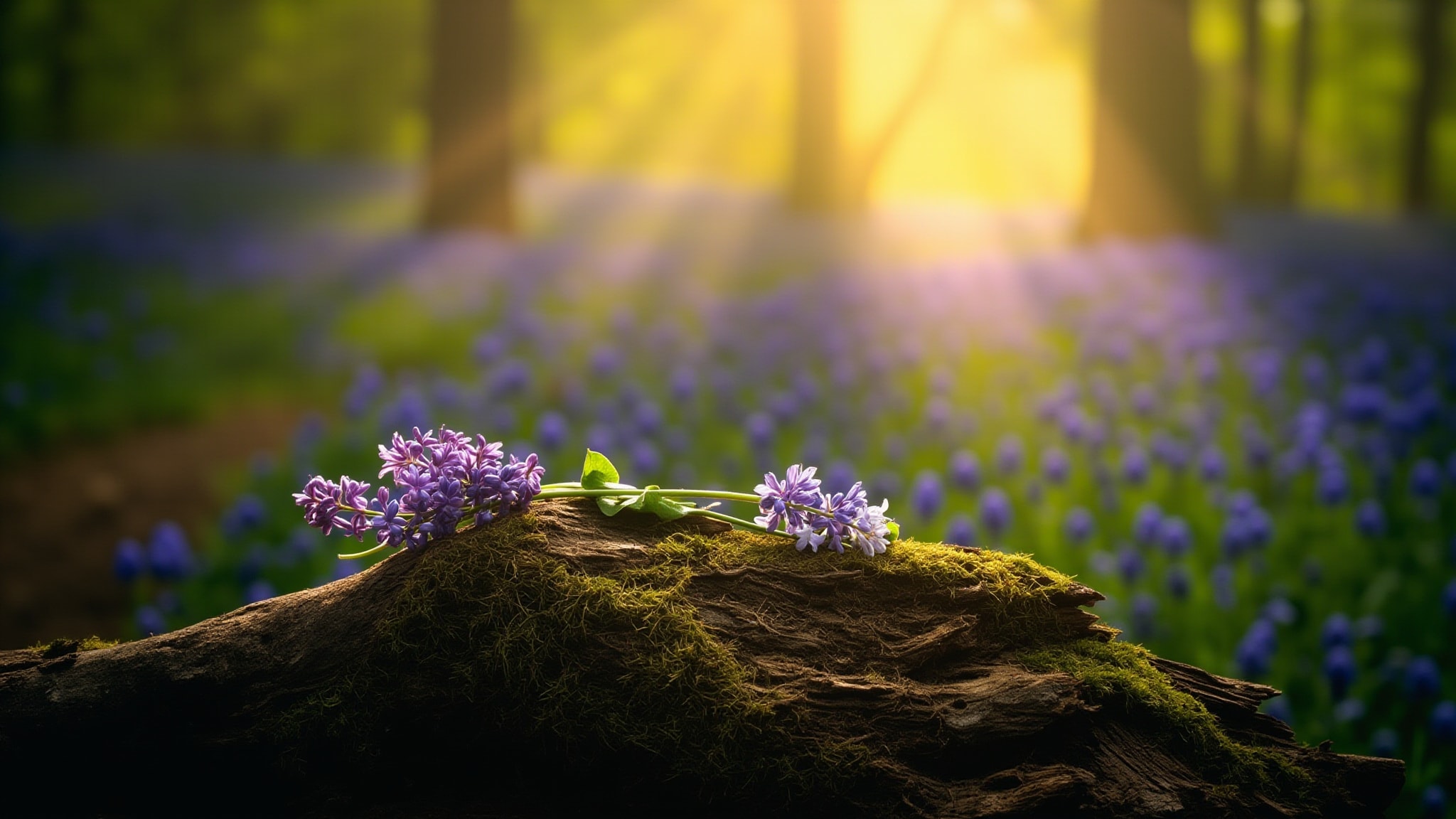
Penhaligon's has occupied London's streets since 1870, building a reputation for character-driven compositions that balance heritage with precision. In 1978 the house asked perfumer Michael Pickthall to capture something quintessentially English, not as abstraction but as direct translation of a living thing. The bluebell woods of the English countryside provided the reference point, a modest bloom that carpets forest floors each spring with impossible blue carpets. Pickthall's task was not decoration but translation, finding the olfactory equivalent of that Green, damp, quietly spectacular natural phenomenon.
The note structure reflects a philosophy of botanical honesty rather than impressionistic florality. Lemon opens cleanly, the floral heart prioritizes Green and verdant character over sweetness, and the drydown grounds the composition with spice rather than the expected musk or amber. This approach treats the bluebell not as a metaphor but as an actual olfactory reference point, capturing the cool, damp, slightly wild quality of the flower in its natural setting. The result is a fragrance that rewards attention, revealing its layers slowly rather than announcing itself immediately.
The evolution
The fragrance opens with Lemon, setting a clean and expectant stage before the floral heart assembles. Hyacinth arrives first, bringing its distinctive Green, slightly animalic character that evokes damp woodland air. Lily of the Valley follows, offering the delicate sweetness of the bell-shaped flower itself, while Cyclamen contributes a dusky, faintly peppery lift that keeps the bouquet from becoming merely pretty. Jasmine and Rose deepen the composition into something more romantic and complex. The drydown shifts the narrative toward spice and earth, with Galbanum maintaining a Green, leafy presence, Clove introducing subtle warming spice, and Cinnamon adding soft heat that lingers on skin for hours.
Cultural impact
Bluebell occupies a notable position in British floral perfumery. Released in 1978, it represents an early attempt to translate an English woodland flower into wearable form, made at a time when such botanical exercises were not particularly common. The fragrance captures something specific about the English countryside, the bluebell, a common spring bloom presented as something worth noticing and wearing. For those interested in British perfumery, Bluebell marks a particular moment: the 1978 effort to render an English woodland flower in fragrance form.