
The Story
Why it exists.
The beginning
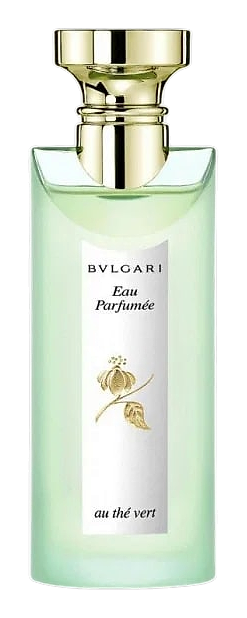
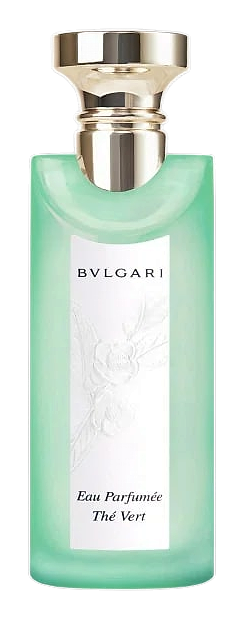
Bvlgari's fragrance work carries the same instinct for material that defines its goldsmith tradition. That crossover produced Eau Parfumée Thé Vert, a composition built around a single, deceptively simple idea: what does green tea smell like when you let it lead the entire structure? Jacques Cavallier-Belletrud, already known for translating raw materials into something luminous rather than literal, signs the composition, with Yann Vasnier also credited on the formula. The brief was restraint, not abundance. Tea, citrus, and the air around them, nothing else crowding the frame. The structure is almost architectural in its economy, every element chosen for what it contributes to the whole rather than for how loudly it announces itself.
Green tea as a fragrance note is unusual precisely because the ingredient is so quiet. Most tea accords in mainstream fragrance tend to rely on smoky black-tea impressions or use tea as a backdrop for something louder on top. Thé Vert goes the other direction, stripping the composition to bergamot and bitter orange blossom on top and green tea alone in the heart. That choice makes the fragrance harder to compose, because the tea has nothing to lean on structurally.
The evolution
The opening is all citrus, and it arrives with real presence. Bergamot gives that fizzy, almost carbonated sparkle, and bitter orange blossom layers in a faint bitterness that reads like zest rather than rind, clean and sharp without veering into anything sour or sharp-edged. Within the first ten minutes the citrus settles, and green tea steps into the foreground, not as a whisper but as a recognizable material. The tea reads grassy, slightly hay-like, with a coolness that feels like brewed liquid more than crushed leaf. The heart holds steady for several hours. Tea comes first, and a faint floral impression drifts underneath, likely the bitter orange blossom revisiting the composition in a softer key, adding lift without competing for attention. There is no traditional base in the customary sense.
Cultural impact
Thé Vert finds its audience among people who wanted something office-appropriate, warm-weather wearable, and genuinely different from the usual fresh-citrus options in the category. It wears close to the skin rather than projecting across a room, which makes it feel like a personal choice rather than a statement. The restraint is the point. There is no sweetness rounding the edges, no heavy base anchoring the composition, no florals competing for attention. What remains is the tea itself, treated as a structural element rather than a decorative note. That approach gives the fragrance a quiet kind of staying power.