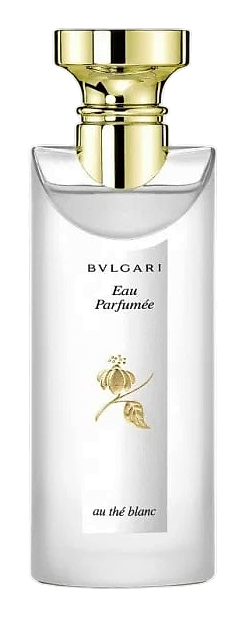

The Story
Why it exists.
The beginning
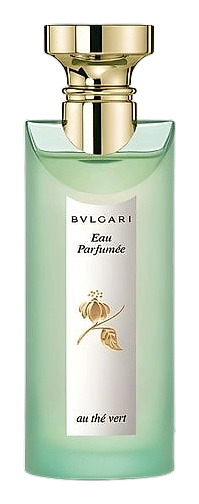
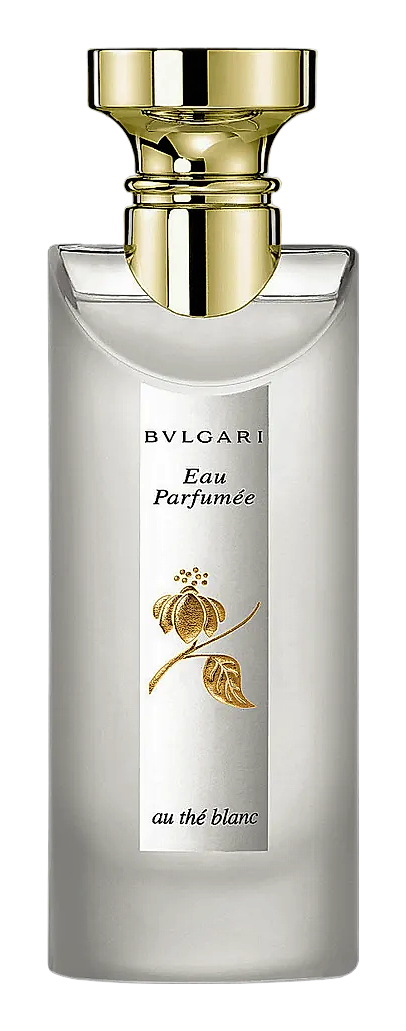
The brief behind Eau Parfumée au Thé Blanc was simple and almost impossible: distill the sensation of a freshly steeped cup into something wearable. Not the flavor. The moment before the sip, when steam rises and the air shifts from neutral to something softer. What came out was a cologne that refused to behave like a cologne. Substantive where it should have been fleeting, layered where it should have been flat. The bet paid off because the perfumer treated white tea not as a top note but as a through-line, something that threads every phase of the scent rather than announcing itself and disappearing. The result is a composition that reads as restraint on paper: a short list of notes, no baroque arrangement, nothing showing off.
What makes this composition genuinely interesting is the choice to anchor an entire fragrance around a note that barely has a smell. White tea is one of perfumery's most stubborn materials, and asking it to carry a whole formula is a serious gamble. The trick is in what surrounds it. Artemisia brings an herbal coolness that keeps the top from reading as soapy or synthetic. White pepper adds a flicker of warmth, barely there, but enough to give the opening a pulse, a reminder that something living is happening on skin.
The evolution
The opening belongs to artemisia and white pepper, a clean herbal brightness that leans almost medicinal, like a kitchen window thrown open in winter. There's a crispness to it, an almost cold clarity, the kind of scent that registers as fresh before it registers as beautiful. Then the tea arrives, not as a flavor but as a softening, the air getting cooler and the scent getting quieter. The transition is gentle but unmistakable: the sharp edges round off, the herbal chill deepens into something more aqueous, and the whole fragrance begins to feel less like a cologne and more like a mood. The white musk settles in and the composition shifts from crisp to creamy, still clean but now with a skin-warmth underneath, the kind of warmth that reads as intimate rather than heavy.
Cultural impact
Eau Parfumée au Thé Blanc sits in a quiet corner of the fragrance world, the one where white tea compositions live as their own small tradition rather than a trend. Launched in 2003, it arrived in a category that has since grown considerably, with several other houses exploring similar territory. Wearers tend to be people who want to smell like themselves on a good day, not like a fragrance. It pairs well with layering, holds its own in summer heat, and reads as quietly expensive without ever raising its voice.
The House
BvlgariBvlgari, the renowned Italian jeweler, extends its legacy of luxury and craftsmanship into the world of fragrance. Known for bold designs and precious materials, Bvlgari perfumes reflect the house's dedication to elegance and sophistication.
The Creator
Jacques Cavallier-BelletrudCavallier-Belletrud commands citrus and marine accords with particular authority, finding unexpected freshness in materials others use decoratively. He applies a rigorous naturalism to masculine and genderless compositions, favoring transparency and restraint when a brief allows.