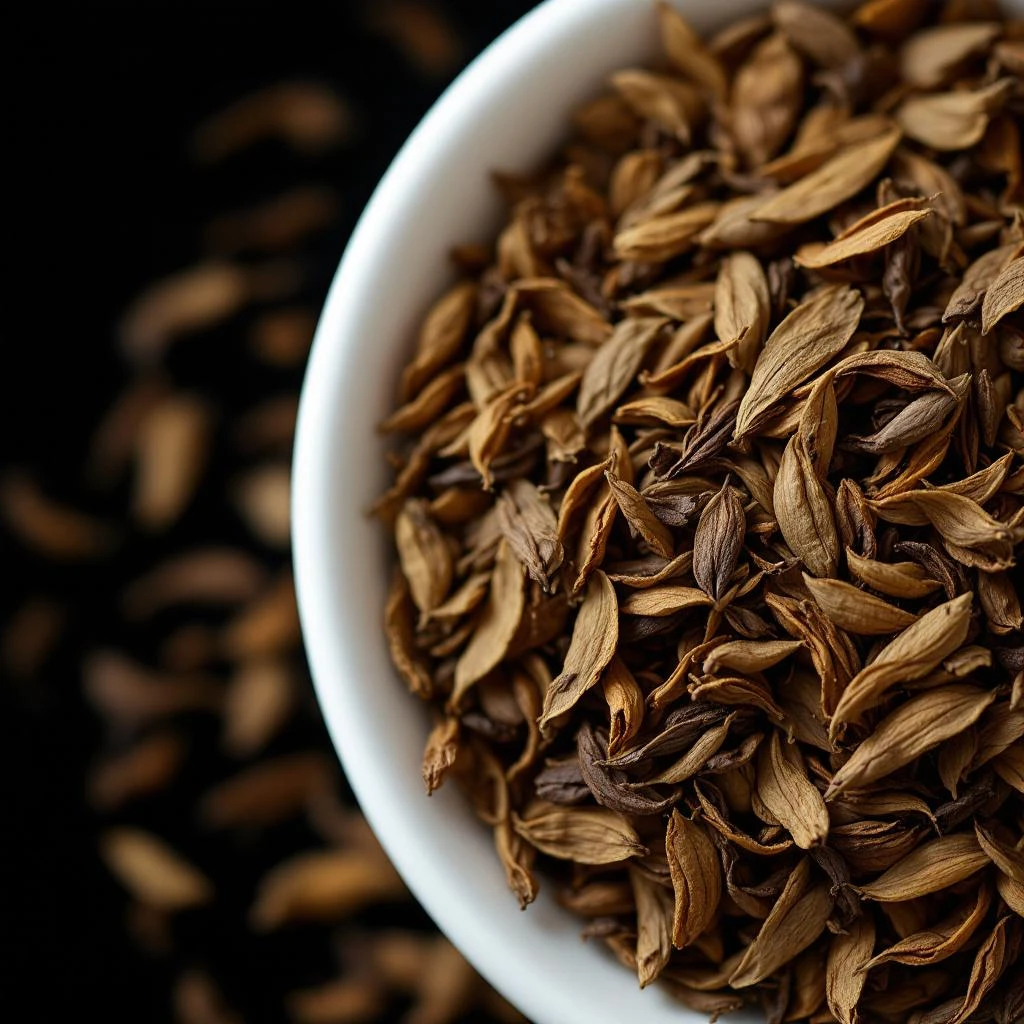
Himalayan White Tea
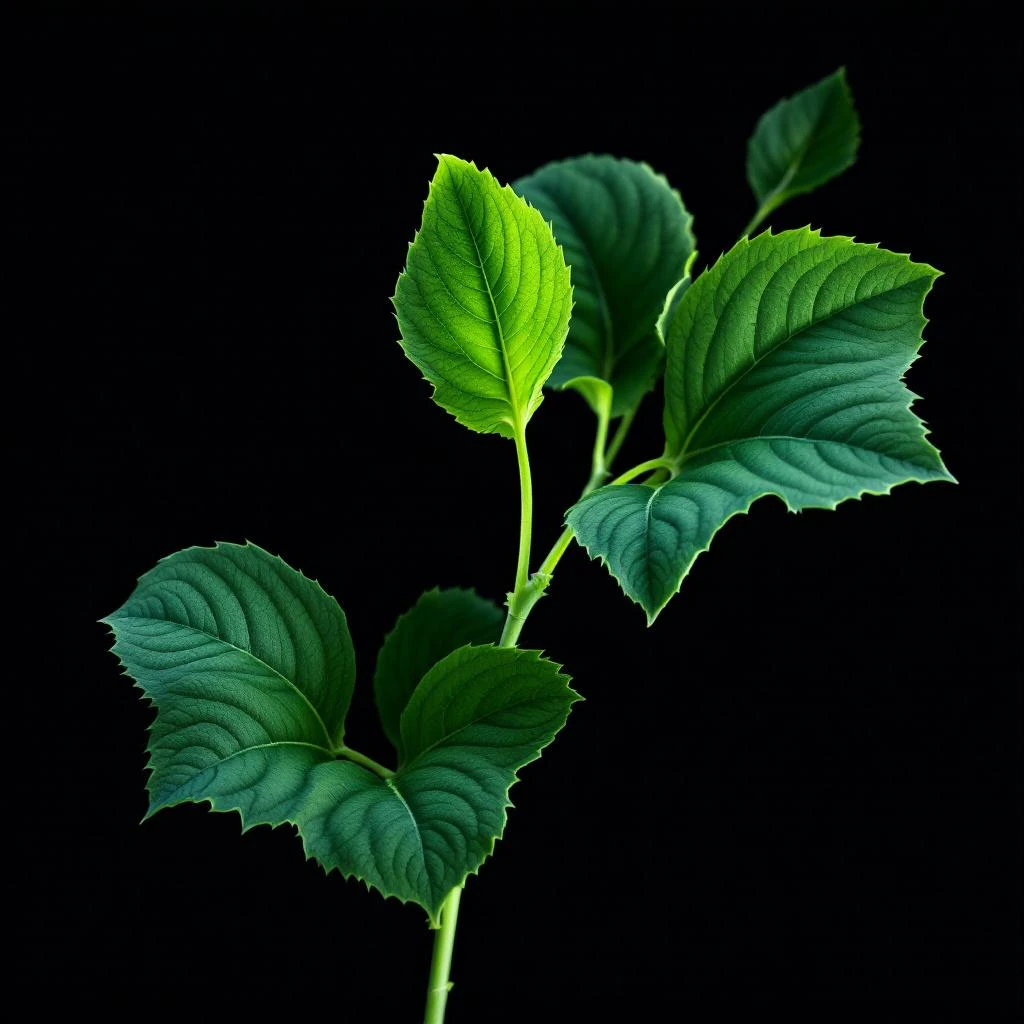
Delicate, fleeting, alive. Himalayan White Tea captures the quiet moments before dawn when Camellia sinensis leaves still hold morning dew. Less processed than any other tea, it carries an almost ethereal freshness that perfumers prize for its subtlety and grace.
Character
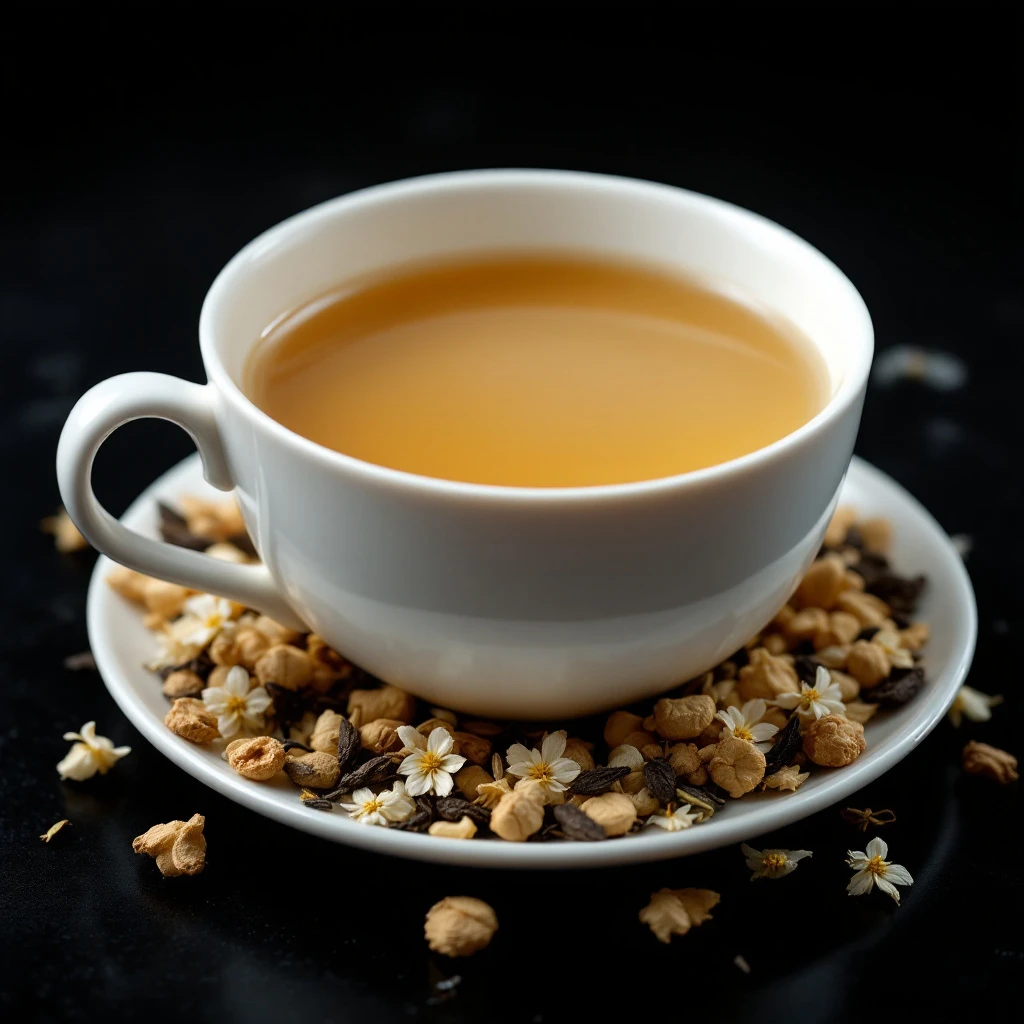
How it smells
Tea at its most pure. Tea at its most vulnerable.
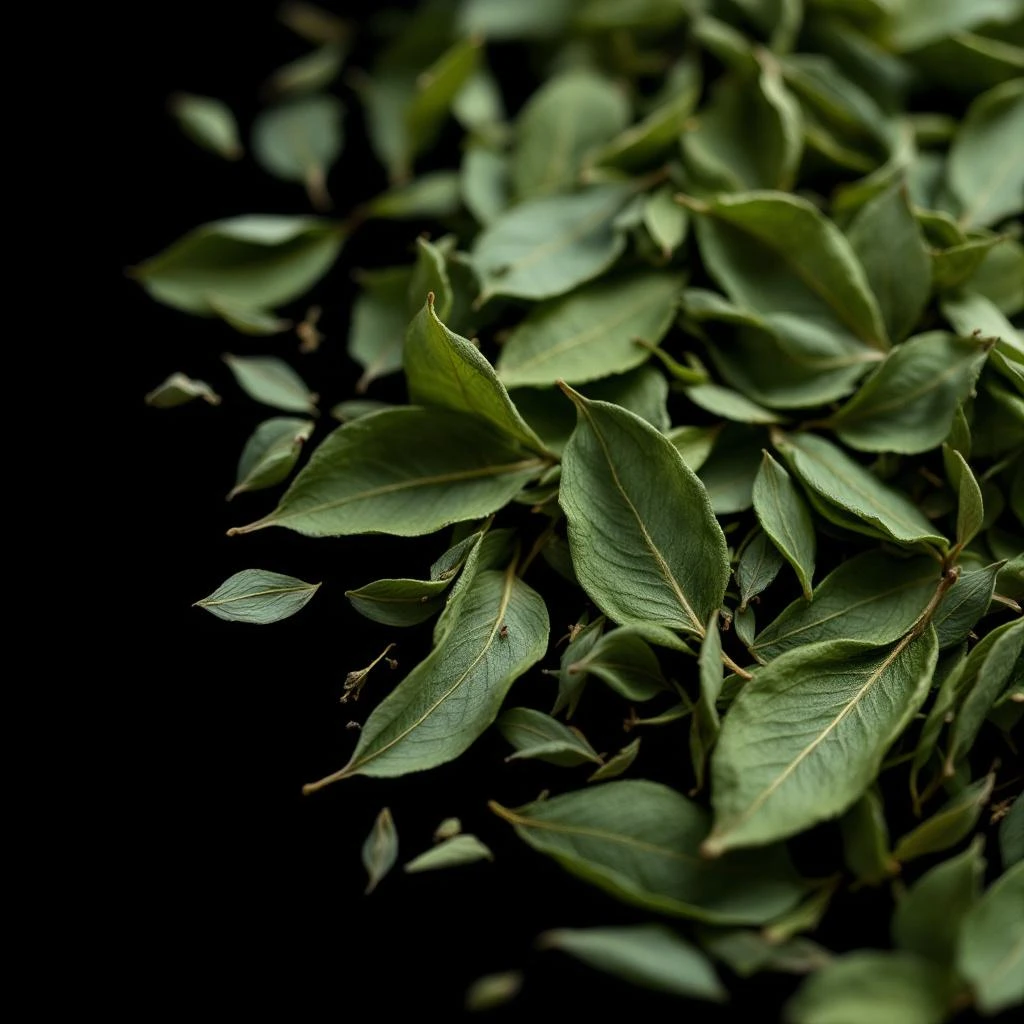
White tea leaves are harvested only twice yearly, plucked before the bud fully unfurls, then sun-dried for hours. That brief window shapes everything.







Origin
China
White tea emerged from Fujian Province in China during the Tang Dynasty, with the earliest written mention appearing around 760 CE in Lu Yu's "The Classic of Tea." Fuding town in northeastern Fujian established itself as the first center of white tea production, spreading to nearby Shuiji and Zhenghe areas within decades. During those early centuries, practitioners considered white tea a medicinal beverage, harvested and prepared simply. The processing method remained largely unchanged for centuries: wither in spring sun, allow natural drying.
Green tea methods were already established across China, but white tea remained a quieter tradition. Formal recognition as a distinct tea category arrived during the Ming Dynasty around 1368. Modern premium white teas still draw from Fujian's original growing regions, particularly Fuding. The "Silver Needle" variety commands the highest prices in the tea trade.
Beyond China, Himalayan white tea production has developed in Darjeeling and Nepal, where similar minimal processing methods apply to Camellia sinensis grown at elevation. The ingredient entered perfumery more recently, following the pharmaceutical and cosmetics industries that began incorporating tea extracts into moisturizers and wellness products during the early 2000s. Natural perfumers now work with tea absolutes and CO2 extracts sourced from both traditional Chinese gardens and Himalayan estates.
Wears it best
Fragrances featuring Himalayan White Tea
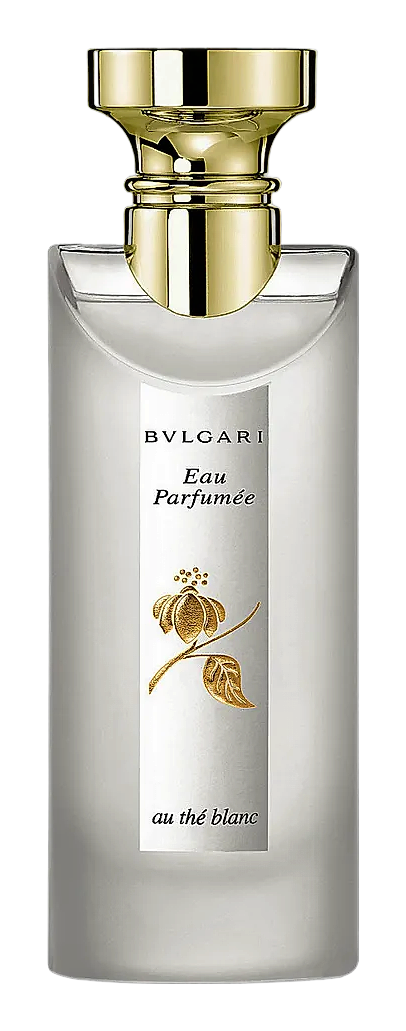
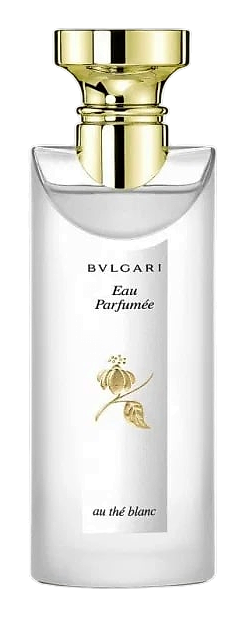
Brands
Brands known for Himalayan White Tea
Good to know
Questions, answered
The essentials on Himalayan White Tea in perfumery: how it smells, where it comes from, and how it behaves on skin.
What does Himalayan White Tea smell like in a fragrance?
Himalayan White Tea reads as fresh, green, and delicate with subtle floral and slightly sweet undertones. Think morning air in a high-altitude tea garden, not brewed beverage. It functions as a bridging note between citrus brightness and deeper base notes.
Is Himalayan White Tea a natural or synthetic ingredient?
Himalayan White Tea exists as both. Natural extracts come from Camellia sinensis via solvent or CO2 extraction. Synthetic reconstructions capture key aromatic molecules like linalool and geraniol but lack the full complexity of natural tea absolute.
How does white tea differ from green tea in perfumery?
Processing defines the difference. Green tea undergoes heat treatment (pan-firing or steaming) that halts oxidation, producing a more pronounced grassy, sometimes astringent note. White tea experiences minimal oxidation through sun-drying and low-temperature withering, yielding a softer, more ethereal aroma profile.
What extraction methods produce white tea absolute?
Two primary methods dominate. Solvent extraction uses food-grade solvents to pull aromatic compounds from dried leaves, yielding a concrete that further processing refines into absolute. Supercritical CO2 extraction operates at high pressure to produce a cleaner extract without solvent residue, closely approximating the scent of fresh tea leaves.
Does Himalayan White Tea perform well in all fragrance formats?
White tea absolute holds up in both alcohol-based perfumes and oil-based formats. The delicate aromatic molecules remain stable across typical concentration ranges. Alcohol bases may slightly amplify its fresh, green characteristics compared to oil carriers.
How long does white tea extract last in a fragrance formula?
White tea absolute functions as a fixative in blends, extending the longevity of lighter top notes by 15-30% depending on concentration. The extract itself maintains stability for 2-3 years when stored properly in cool, dark conditions away from heat and light.
Where does Himalayan White Tea actually originate?
Traditional white tea originates from Fuding in Fujian Province, China, where the category first developed. Himalayan white tea specifically refers to white-style processing applied to Camellia sinensis grown in Darjeeling, Nepal, or Sikkim at elevations above 1,500 meters.
What complementary notes pair well with Himalayan White Tea in perfumery?
White tea harmonizes naturally with jasmine, osmanthus, musk, light woods (cedar, sandalwood), and subtle citrus. Its role as a bridging note makes it effective between bright top notes and warmer base materials. Pairings with marine or ozonic accords can emphasize its fresh, airy qualities.