

The Story
Why it exists.
The beginning
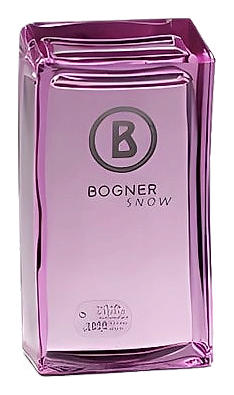
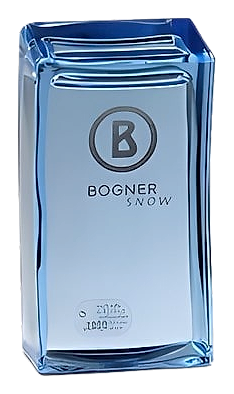
Snow Man landed in 2000 from Bogner, a house with roots in alpine sportswear that moved into fragrance well before this release. The brand's connection to mountain culture runs deep, and Snow Man is one of the clearest expressions of that heritage. Michel Almairac, the perfumer credited with composing Snow Man, brought a steady hand to the brief. He worked with juniper, galbanum, and black fig for the opening, three materials that share a cold, green character without sliding into the sterile territory most fresh fragrances fall into. The combination reads almost atmospheric, like breathing air at altitude with something herbal and faintly sweet curled into it.
Snow Man skips the obvious moves. Juniper gives the sharpness, galbanum adds the bitter green snap that feels more forest than field, and black fig introduces a dusty sweetness that catches you off guard. The heart pulls in lily of the valley and blackcurrant for lift, then roots everything in vetiver and cedar. The composition holds together with unusual clarity, each phase distinct but connected, and the whole thing wears with a kind of cold-weather composure that feels deliberate.
The evolution
The opening is sharp and almost piercing, galbanum and juniper slicing through whatever else you're wearing. Fig arrives quietly in the background and sweetens the edges, but it never dominates. Once the composition settles, the heart blooms. Blackcurrant and lily of the valley bring a brightness that smells like cold air hitting warm skin, and black pepper kicks in underneath. As the hours pass, vetiver and cedar do the heavy lifting, warm but not sweet. The drydown into oakmoss and amber settles into a close, woody warmth that lingers well into the next day. Skin chemistry will shift the balance, but the green-woody spine stays recognizable from first spray to final fade. On fabric, the oakmoss in particular clings for hours, leaving a faint resinous trail.
Cultural impact
Snow Man occupies a specific corner of the early 2000s men's fragrance market. It landed in 2000, and production was apparently discontinued at some point, which has shifted its availability. That scarcity has turned it into something collectors seek out, a scent from a particular moment when clean, green, sporty compositions could stand on their own without leaning on synthetic-aquatic shortcuts. Among wearers who tracked it, it gets remembered for its clarity, the way juniper and galbanum carry the structure without overwhelming the fig's quieter sweetness.
The House
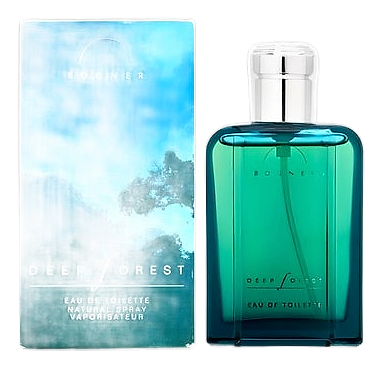
BognerBogner stands as one of Germany's most storied fashion houses, tracing its roots to 1932 when Willy Bogner established the brand in Munich as a manufacturer of premium sportswear designed for alpine pursuits. The company carved its niche by creating high-performance ski apparel that balanced technical innovation with refined European style, attracting everyone from Olympic athletes to European aristocracy. Bogner's entry into fragrance began in the 1980s, with the 1987 launch of Sonia representing the brand's first olfactory statement. The fragrance collection draws direct inspiration from the Alpine landscape that defines the parent company, with releases like Deep Forest (1995), Bogner Wood (2002), and the Snow Man (2000) translating mountain landscapes, forest atmospheres, and winter sports culture into wearable scent narratives. Over more than nine decades, Bogner has maintained its position as a family-controlled business, with successive generations overseeing both the fashion and fragrance operations from its Munich headquarters.
The Creator
Michel AlmairacAmong perfumistas, Almairac is celebrated for technical precision married to restraint. He does not overwhelm or overcomplicate.