
The Story
Why it exists.
The beginning
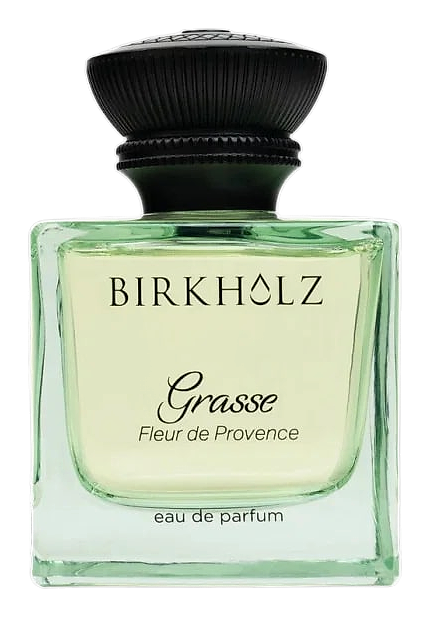
Grasse carries the name of the French town that has anchored centuries of perfumery, and the composition follows that lineage in its own way. The fragrance belongs to Birkholz's French Collection, a series that interprets the French perfume tradition through a distinct lens from the German house. Philip Birkholz's name on the bottle ties each release together, presenting every composition as a personal rendering of a place or moment, and Grasse sits naturally within that framework with its Provençal reference point and a structure that nods to the region's aromatic history.
Grasse works because it refuses the easy version of itself. Blackberry could have gone jammy and sweet, but the licorice and violet steer it toward something sharper, almost mineral. The rose and patchouli in the heart do the heavy lifting, grounding the fruit without burying it. Red thyme cuts through with an herbal edge that keeps the whole composition honest. It's a leather fragrance that earned its leather, not one that led with it, and that patience shows in how the notes interact across the full wear.
The evolution
The first 30 minutes belong to violet leaf and blackberry, with licorice threading underneath like a dark current. The fruit is bright but not naive; there's a green sharpness from the elemi that keeps it from collapsing into sweetness. By the second hour, the leather steps forward. It doesn't arrive gently. The rose and patchouli soften the landing, but the texture is unmistakable, somewhere between suede and well-worn saddle. Around hour five or six, the vetiver and amber take over, leaving a warm, slightly smoky trail that sits close to skin. On fabric the next morning, the leather is still there, quieter now, almost like the scent of a jacket left draped over a chair.
Cultural impact
Grasse finds its home among contemporary leather-leaning compositions, though it charts its own course rather than following any single predecessor. It rewards repeat wearing, revealing more on a second or third encounter than it does on first sniff, and the way the notes shift through the hours gives it a quiet complexity that invites you back. The composition settles into its stride as the fruit sharpens and the herbal facets rise, and there's enough going on beneath the surface to keep things interesting well past the opening.