
The Story
Why it exists.
The beginning
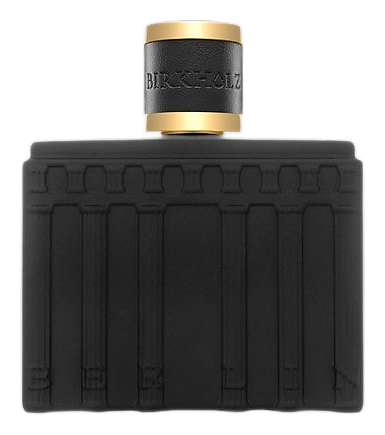
Berlin Fever is the scent of a city that knows how to dress for an occasion. Birkholz's 2018 release captures something specific: the hour before the night commits, the mirror check, the cufflink adjustment, the quiet confidence of someone who knows exactly where they're going. The name isn't metaphorical. It's the actual feeling of Berlin in winter, when the cold outside makes the warmth inside matter more. Tobacco and brandy. Leather armchairs. A wing piano in the background. Philip Birkholz built this fragrance from a memory of arrival, not the entrance, but the moment right before it, when anticipation has nowhere to go but forward.
What makes Berlin Fever work is its structure. Four top notes, tobacco, cardamom, cinnamon, ginger, arrive almost simultaneously, a warm spicy burst that could overwhelm if the heart didn't arrive so quickly to smooth it. The nutmeg and amber heart is smaller than the opening, almost intimate by comparison. But that's the point. The base, vanilla, tonka bean, patchouli, musk, does the real work. It arrives around the two-hour mark and stays. On fabric, it lingers longer than many fragrances last on skin. The patchouli gives it earth. The tonka gives it warmth. The musk keeps it human.
The evolution
The first thirty minutes are all intention. Tobacco and cardamom arrive with purpose, sharp enough to signal that this isn't a morning fragrance. Ginger adds heat without fire, clean spice, not food spice. Then, around the hour mark, something shifts. The cinnamon softens. The amber begins to breathe. The fragrance stops trying to impress and starts just being present. By hour two, the base notes have taken over. Vanilla and tonka wrap around patchouli in a warmth that reads as intimate rather than loud. The musk keeps it close to the skin, not projecting outward. Eight to ten hours means this fragrance doesn't need reapplication. It settles in and stays, quieter on day two, a ghost of vanilla and tobacco on fabric that makes you reach for the shirt again.
Cultural impact
Berlin Fever sits comfortably within the tobacco-forward niche category, alongside compositions like Tom Ford Tobacco Vanille and Parfums de Marly Herod, fragrances that use tobacco as a statement of warmth and occasion rather than a single note. What distinguishes it is its restraint. Where Tobacco Vanille leans into gourmand sweetness, Berlin Fever keeps its spices present throughout. The 2018 launch placed it at the height of the warm spicy trend, and its continued presence in Birkholz's Classic Collection suggests it found its audience. Wearers describe it as the fragrance of someone who doesn't need to announce themselves, quiet confidence, earned rather than performed.