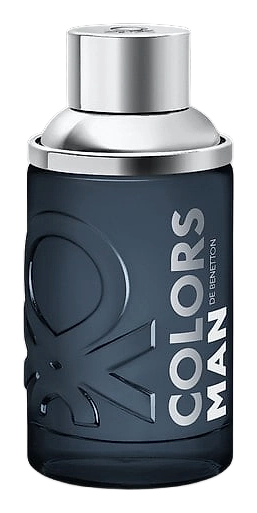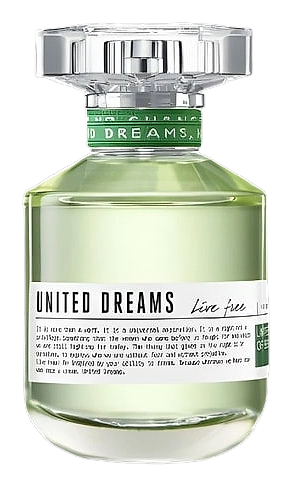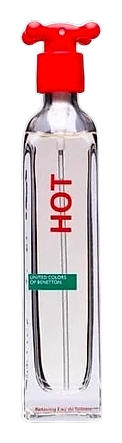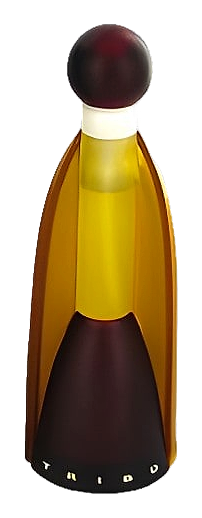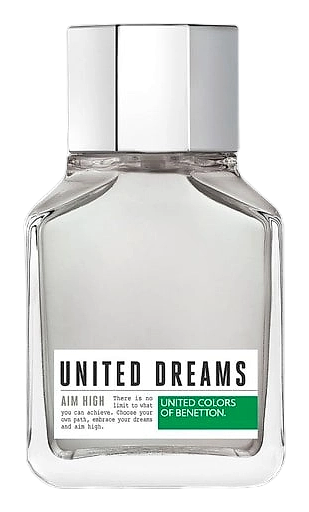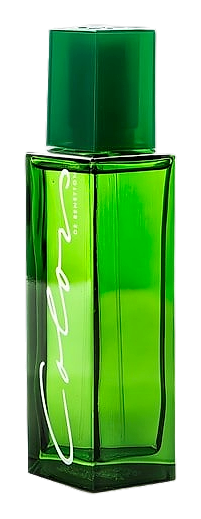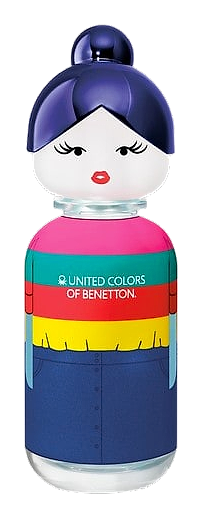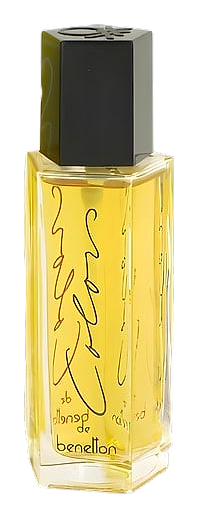
The Story
Why it exists.
The beginning
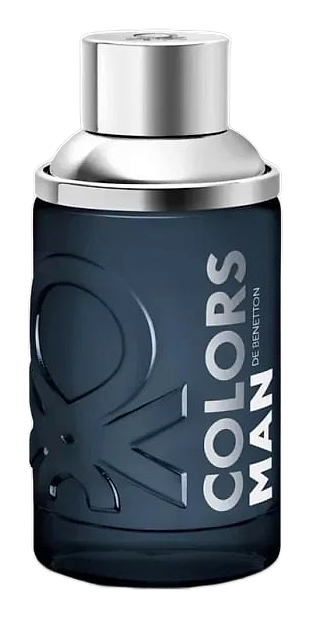
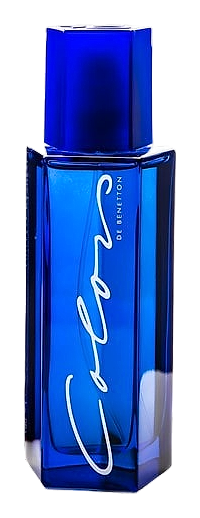
Colors Free de Benetton for Him leans into floral-fruity territory with a woody base, a profile that feels intentional and considered from the first spray. The composition was built by Pierre-Constantin Guéros, a perfumer with a clear brief in mind: take the sweetness people expect from a fruity men's scent, then undercut it with lavender, geranium, and patchouli so the result feels composed rather than candy-coated. There's a warmth underneath the fruit that keeps it from reading as juvenile, and the woody base anchors everything with enough weight to feel grown-up without becoming heavy or somber. The opening is where the fruit speaks loudest, but it's the structure behind it that defines the composition.
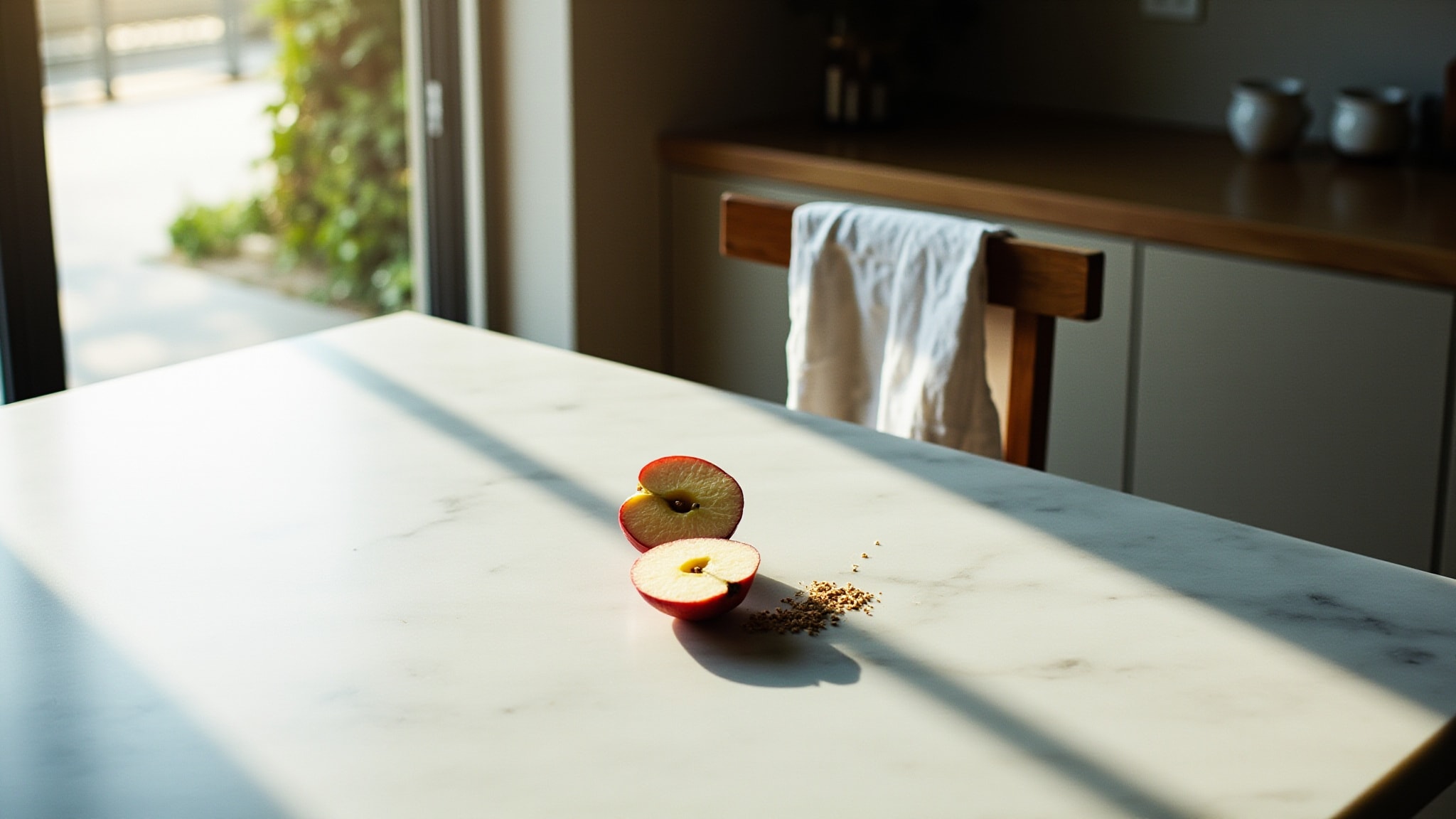
Apple sorbet and mandarin read colder and more dessert-like than the usual fruit-forward openings, and that's where the aromatic structure has to do real work. Without something grounded behind it, sorbet can collapse into pure candy. Guéros answers with lavender and Madagascan geranium, both of which carry herbal weight and keep the sweetness in check. The result is an opening that stays bright without sliding into juvenile territory, the fruit always tempered by something cooler and more grown-up. Amberwood in the base is another deliberate call that shifts the whole composition.
The evolution
The opening belongs to apple sorbet and mandarin, bright and cool, with nutmeg threading through underneath like a quiet suggestion of something warmer just beneath the surface. The sorbet impression holds longer than expected because lavender shows up early to cool the sweetness down rather than waiting for the heart to arrive. That early intervention changes the whole shape of the fragrance, keeping the fruit from becoming the whole story. Then the composition shifts. Geranium and orange blossom take over, and the scent starts to smell less like a fruit bowl and more like something cleaner and more personal, the kind of scent that clings to warm skin on a good day. The floral phase is where the fragrance earns its keep. It never goes soapy or sharp the way some lavender-heavy compositions do, and the geranium keeps a green edge that prevents the florals from feeling generic or powdery.
Cultural impact
Colors Free lands in a men's fragrance space where fruity and floral compositions are increasingly common, but its specific profile gives it room to stand apart. The floral-fruity-woody structure keeps it sweet enough to feel inviting while remaining grounded enough to avoid reading as candy. It wears well across casual settings, holds its character without becoming loud, and transitions naturally from daytime into evening. The composition leans more composed than flashy, more everyday than occasion-driven. It doesn't demand attention, but it rewards it.
The House
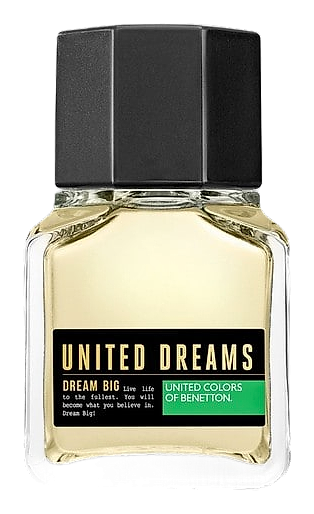
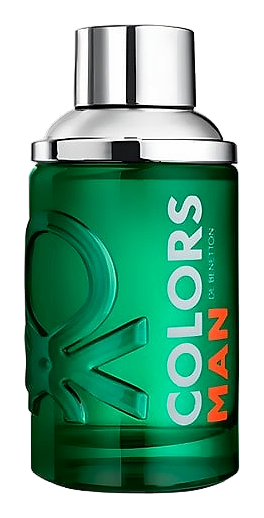
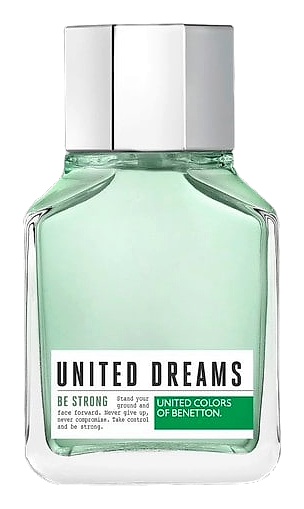
BenettonBenetton entered the fragrance market in the late 1980s, extending the colour‑driven ethos of its apparel line into scent. The first releases, Colors de Benetton for women (1987) and Colors de Benetton Man (1988), offered bright, approachable compositions that mirrored the brand’s reputation for youthful optimism. Over the decades the house has added niche‑style offerings such as United Dreams, a series that explores seasonal moods, and Sisterland, a collaborative line launched in 2024 that pairs narrative storytelling with scent. Today Benetton’s perfume portfolio sits alongside its clothing collections, each launch reflecting the same commitment to inclusivity and everyday wearability.
The Creator
Pierre-Constantin GuérosGuéros’s style blends classic French structure with an adventurous use of modern synthetics. He often starts with a clear base—cedar, sandalwood or leather—then introduces unexpected accents such as metallic ionics, lab‑grown ambergris or rare resins from Madagascar.