
The Story
Why it exists.
The beginning
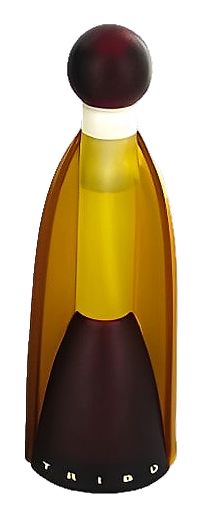
Tribu arrived in 1993, created by Bernard Ellena for Benetton. The fragrance centers on a chamomile note, paired with blackcurrant and a rose heart drawn from Bulgarian traditions. The structure was deliberate: a top that announced itself confidently, a heart that softened the edges, and a base that kept the whole thing grounded for hours. Ellena's approach was unconventional, placing chamomile in a role it rarely occupied in contemporary perfumery. The combination with blackcurrant's tart sweetness created something that stood apart from more conventional compositions. It wasn't trying to be the most expensive fragrance in the room. It was trying to be the most interesting one.
The chamomile note is what sets Tribu apart from most fragrances of its era. Ellena put it front and center, treating it as a primary character rather than a supporting player. Combined with blackcurrant's tart, almost fermented sweetness, the effect is something that smells like jam and tea at the same time. The woody base of vetiver, oakmoss, and sandalwood provides an anchor without flattening the more delicate herbal and fruity qualities.
The evolution
The opening hits with Italian mandarin and violet leaf, a green-citrus burst that clears the air. Then the blackcurrant and chamomile arrive together, sweet, tart, herbal, and slightly medicinal. The Bulgarian rose and geranium soften the middle, adding floral warmth to what could otherwise feel sharp. As the composition moves into its later stages, the base gradually takes over: oakmoss and vetiver create a mossy, earthy character while benzoin adds a resinous warmth and sandalwood keeps everything creamy. The fragrance evolves through distinct phases, with each layer revealing something different about the composition. Wear tends to be long-lasting, with the scent remaining present on the skin throughout the day.
Cultural impact
The combination of chamomile and blackcurrant in Tribu produced a fragrance that divided opinion. Some found it medicinal or fermented in its opening, while others discovered something unlike anything they had encountered before. The herbal-fruity accord set it apart from more conventional fragrances of the period, creating an olfactory signature that was difficult to categorize. This distinctive character has kept the fragrance in circulation among enthusiasts who seek out unconventional compositions.