
The Story
Why it exists.
The beginning
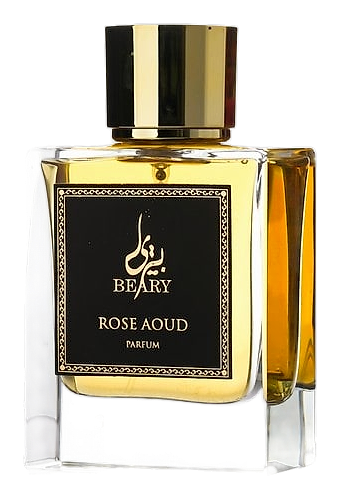
Rose Aoud was created by Fahran S Ali and Mahran S Ali, and its name makes the central idea plain: rose brought into conversation with oud. The documented composition starts with Bulgarian Rose, then moves through Vanilla and Violet before settling into Benzoin, Agarwood, and Sandalwood. No verified launch year or fragrance-specific inspiration beyond the name and notes is available, so the safest reading is a deliberate study in contrast. Rose brings brightness, softness, and floral tension; oud brings density and shadow. The result sits between romance and ceremony.
The pairing is compelling because neither note plays a supporting role. Bulgarian Rose gives the composition its polished floral center, while oud supplies the dark, resinous frame. Vanilla and violet soften that tension with sweetness and powder, and benzoin adds a balsamic warmth beneath it. Sandalwood keeps the base from becoming too stark, creating a smoother landing as the fragrance dries down. Together, the notes make Rose Aoud feel less like a simple floral and more like a formal fragrance with a pulse.
The evolution
The opening is the most openly floral gesture, with Bulgarian Rose carrying a bright, polished presence. As the scent develops, Vanilla and Violet create a softer middle layer, almost like makeup powder placed over rose petals. Then the composition turns darker through Benzoin, Agarwood, and Sandalwood, bringing balsamic warmth, resinous depth, and a smooth woody base. The surprising shift is how much body arrives after the delicate floral beginning. On skin, the final impression is warmer and more grounded, with a close, lasting trail that suits evening wear and layered perfume routines.
Cultural impact
Rose Aoud sits within Beary's documented vocabulary of bold, material-led fragrances, where rose and oud carry an association with opulence and presence. Its appeal is clearest for wearers who enjoy formal, expressive scent with a clear floral center and a darker resinous finish. The supplied research does not document reception, sales, awards, or a specific cultural moment.