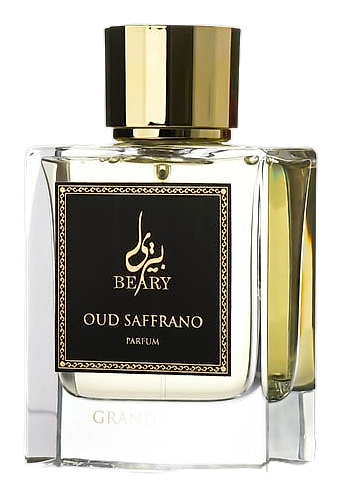
The Story
Why it exists.
The beginning
Oud Saffrano is credited to perfumers Fahran S Ali and Mahran S Ali, though its release year and specific creative brief aren't documented. What the record does give is a clear material idea: saffron and rose in the opening, followed by labdanum and incense, then sandalwood and agarwood. The name itself points toward the pairing that shapes the composition, placing the spice of saffron beside the floral depth of rose and the woody darkness of oud. No further origin story is established, so the notes carry the fragrance's meaning without inventing one.
The unusual part is the friction inside the opening. Saffron brings a sharp, metallic heat, while rose supplies softness and a recognizable floral center. Incense then changes the temperature, pushing the scent from polished warmth toward smoke. Labdanum adds resinous depth, while sandalwood and oud provide a grounded base that keeps the rose from staying sweet. The result is less a single mood than a sequence of contrasts: floral beside spice, smoke beside wood, polish beside darkness.
The evolution
The fragrance begins with saffron and rose arriving together, creating a bright, slightly metallic floral impression. As the opening settles, labdanum and incense take over with resinous warmth and a dry haze, making the composition feel less like a bouquet and more like a darkened salon. Sandalwood and agarwood then establish the long wooden base, keeping the rose visible but giving it smoke and weight. During the following hours, the sharp saffron edge should soften first, while the oud and sandalwood remain the lasting impression. Expect the final drydown to feel woody, warm, and faintly smoky, with moderate projection rather than all-day room-filling power.
Cultural impact
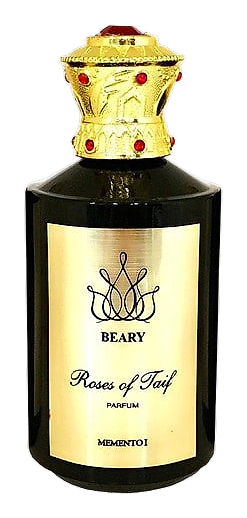
Beary's recorded portfolio places Oud Saffrano within a wider vocabulary of maximalist, material-driven fragrances, where oud and rose are treated as expressive choices rather than restrained basics. The name and note pairing sit alongside titles such as Oud Edit and Roses of Taif in a catalog built for dramatic self-presentation. No reliable reception, sales, award, or market-impact information is available for this fragrance.
The House
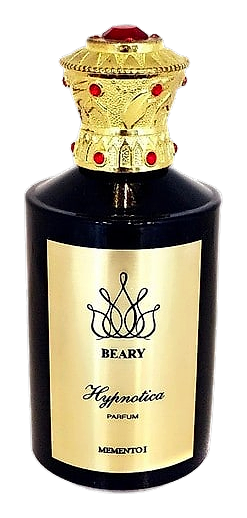
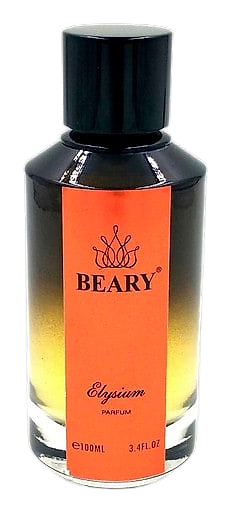
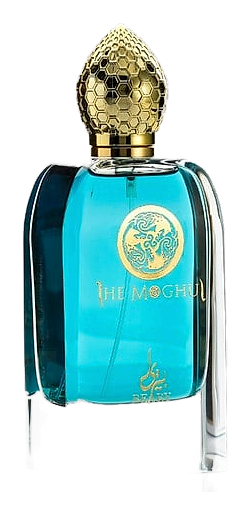
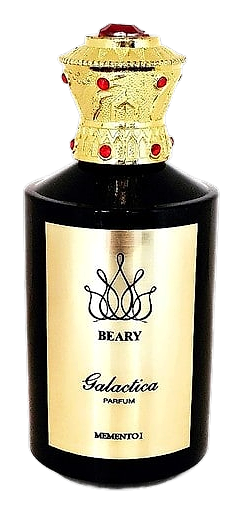
BearyBeary presents a fragrance wardrobe built around opulent materials, expressive contrasts, and richly scented names. Its catalog includes oud, roses, leather, musk, and amber-oriented compositions, with Hypnotica, Oud Edit, and Roses of Taif among the notable releases listed for 2016. Later titles such as Magnum, Regal, Clan, and Eternia extend that vocabulary with bold, imposing references. The available research does not establish Beary’s founding year, founder, production base, or official brand story, so its profile is best understood through the documented fragrance portfolio rather than company history.
The Creator
Fahran S Ali & Mahran S AliFahran's signature lies in the architecture of dense, extrait-strength compositions that favor sillage over subtlety. He gravitates toward gourmand structures, resinous bases, and sweet-spicy bridges that give his scents a tactile, almost edible quality.