The Story
Why it exists.
The beginning
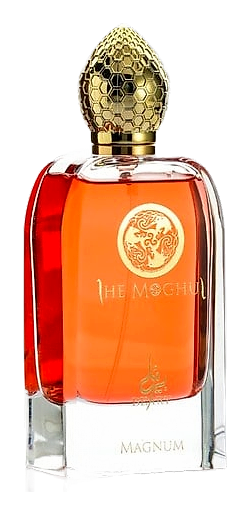
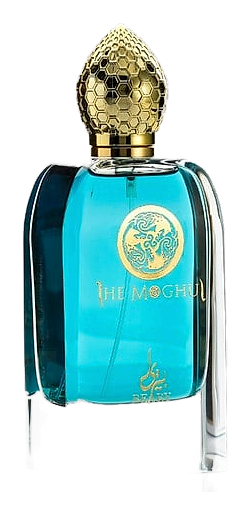
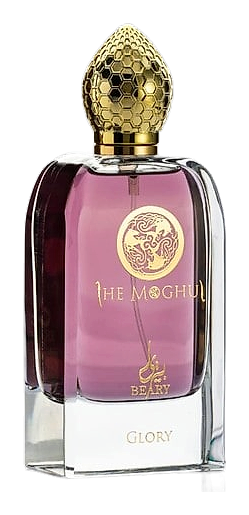
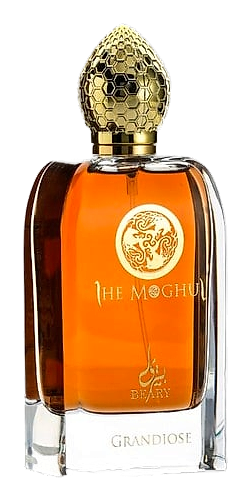
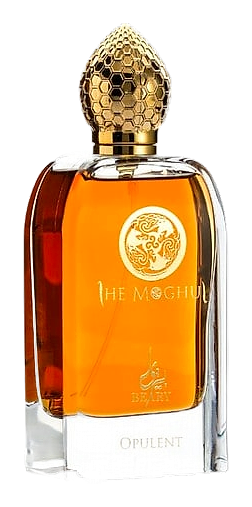
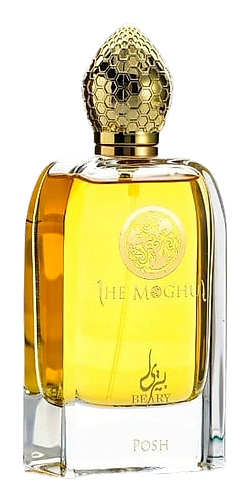
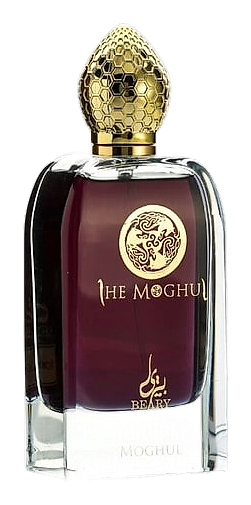
Moghul arrived in 2021 from perfumers Fahran S Ali and Mahran S Ali. Its source material is spare but deliberate: sandalwood and benzoin at the top, tonka bean and balsam fir through the heart, and labdanum holding the composition together underneath. The name suggests grandeur, while the accord profile brings that idea down to something wearable, woody and warmly aromatic. There isn't a documented campaign story or outside inspiration to add, so the fragrance speaks through its construction. It is built around the tension between smooth sandalwood, glowing benzoin and the sharp green character of balsam fir. Tonka bean supplies a rounded sweetness, and labdanum gives the final accord an ambered, resinous weight. The result doesn't rely on overt spice or citrus for impact. Its authority comes from texture, balance and the way familiar materials are pushed into sharper relief.
The interesting part is what happens at the edges. Sandalwood could have carried this fragrance alone, soft and polished, but balsam fir interrupts that easy richness with a cool, aromatic snap. Benzoin and labdanum then turn the interruption into warmth, wrapping the fir in amber and resin. Tonka bean is the smoothing agent, giving the heart a creamy sweetness without making the composition feel airy. This isn't a note-for-note spectacle. It's a dialogue between smooth wood, evergreen resin and soft amber, and the contrast gives Moghul a sharper point of view than its luxurious materials might suggest.
The evolution
The first impression is broad and enveloping, with sandalwood laid against benzoin's sweet resin. Both are already warm, but balsam fir arrives with a cooler, evergreen edge, like a window opening onto winter. As the heart settles, tonka bean rounds that brightness into something creamy and plush. The fir doesn't vanish; it keeps a clean aromatic line inside the sweetness, making the composition feel less like dessert and more like polished wood. Labdanum then takes control of the drydown. Its ambered resin deepens the sandalwood and gives the final hours a warm, close-fitting finish. The result moves from soft opulence toward darker, more tactile warmth. As it wears, the drydown leaves the impression of smooth wood, fir resin and amber rather than a loud sweet finish.
Cultural impact
Moghul presents a rich aromatic vocabulary through the contrast of warm woods, sweet resin and evergreen fir. Its fir edge gives the warmth a cooler, more composed register, while the sandalwood, benzoin, tonka bean and labdanum create a tactile progression from creamy softness to polished, resinous depth. It is a fragrance for people drawn to quiet authority and carefully balanced materials rather than loud brightness.
The House
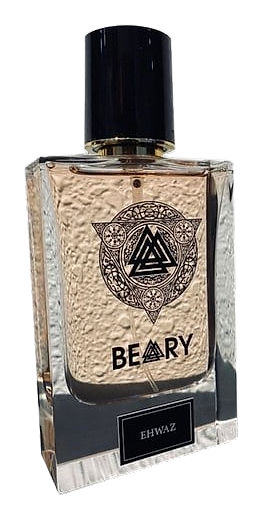
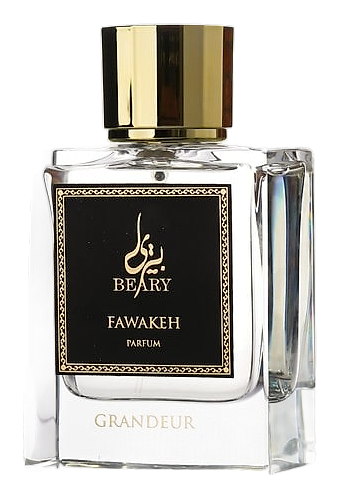
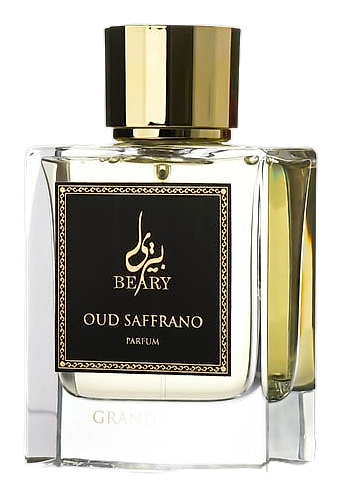
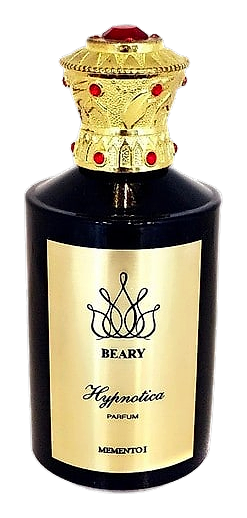
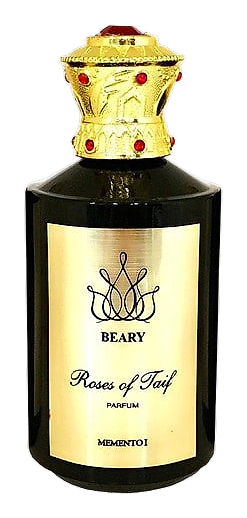
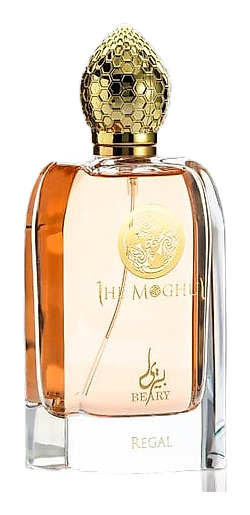
BearyBeary presents a fragrance wardrobe built around opulent materials, expressive contrasts, and richly scented names. Its catalog includes oud, roses, leather, musk, and amber-oriented compositions, with Hypnotica, Oud Edit, and Roses of Taif among the notable releases listed for 2016. Later titles such as Magnum, Regal, Clan, and Eternia extend that vocabulary with bold, imposing references. The available research does not establish Beary’s founding year, founder, production base, or official brand story, so its profile is best understood through the documented fragrance portfolio rather than company history.
The Creator
Fahran S Ali & Mahran S AliFahran's signature lies in the architecture of dense, extrait-strength compositions that favor sillage over subtlety. He gravitates toward gourmand structures, resinous bases, and sweet-spicy bridges that give his scents a tactile, almost edible quality.