The Story
Why it exists.
The beginning
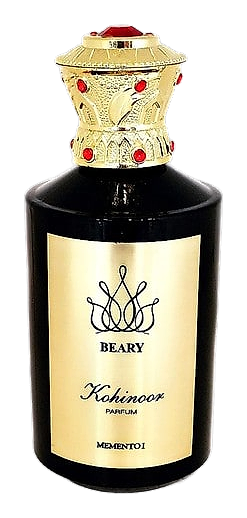
Kohinoor arrived in 2016, created by Mahran S Ali and Fahran S Ali. Its name suggests a jewel, and the composition follows that visual cue with polished white flowers, luminous citrus, ripe fruit, and a restrained sweet finish. Beary's documented fragrance language favors opulent materials and expressive contrasts, and Kohinoor places that theatrical sensibility inside a lighter floral register. There isn't enough verified information to assign a more specific inspiration to the name, so the composition itself tells the story: elegant at first, radiant in the middle, and softly lingering at the end.
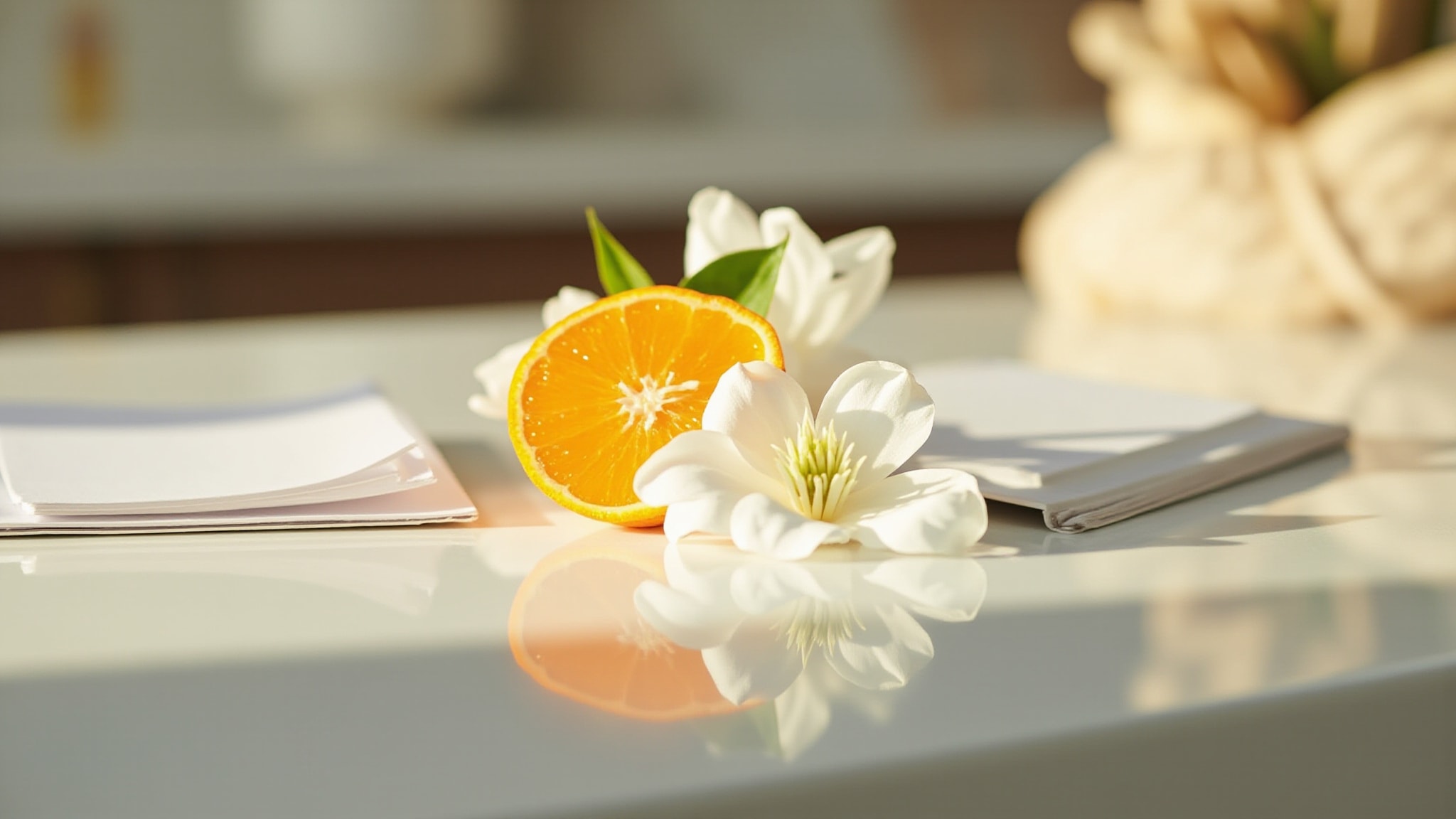
The interesting part is the balance between brightness and sensuality. Citrus gives Kohinoor an immediate lift, while jasmine and tuberose add a creamy floral weight that keeps it from reading like a plain lemon scent. Fruity notes add sweetness without becoming syrupy, and the vanilla and musk base gives the whole thing a smooth finish. It's a familiar white-floral vocabulary, but the arrangement makes it feel like a jewel with a little light bouncing off its edges.
The evolution
Kohinoor begins with a clear lift of citrus and orange, bright enough to feel like sun on polished stone. Jasmine and tuberose quickly turn that brightness inward, giving the opening a creamy floral body. As the fragrance develops, white flowers and fruit create the most expressive phase: lush, rounded, and gently sweet, with the floral notes doing most of the talking. In the later phase, the composition becomes quieter. Vanilla rounds the edges, while musk leaves a powdery, skin-close finish. The final impression is less sparkling than the opening and more intimate, like a white floral perfume pressed into a warm collar. Its moderate sillage keeps the trail present without turning every hallway into a floral ambush.
Cultural impact
Kohinoor sits within Beary's documented preference for expressive, theatrical fragrance names and material-rich compositions. Its white floral and citrus profile offers a lighter reading of that maximalist vocabulary, suited to wearers drawn to polished flowers, luminous fruit, and a soft musky finish. The available research does not document notable awards, sales, or broad cultural reception for this fragrance.
The House
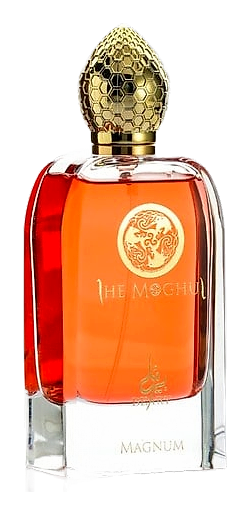
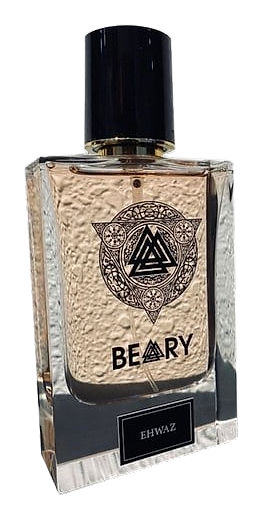
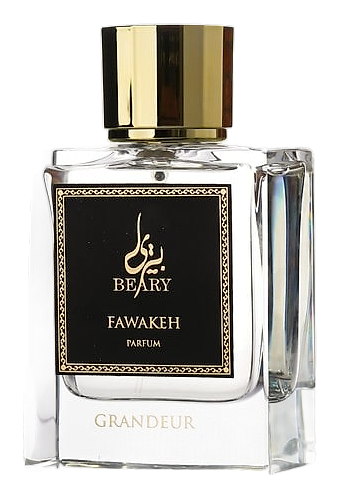
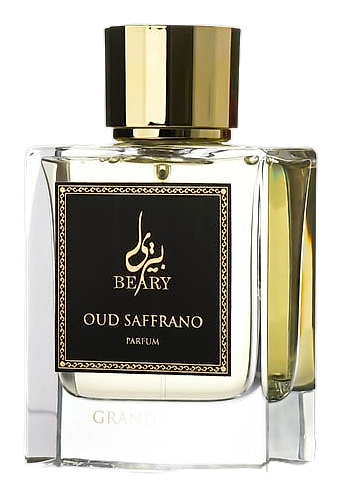
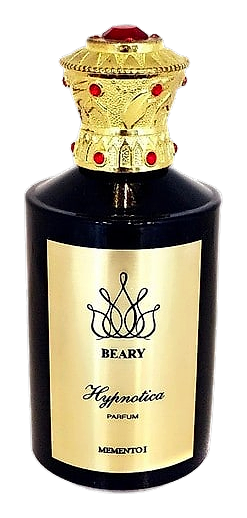
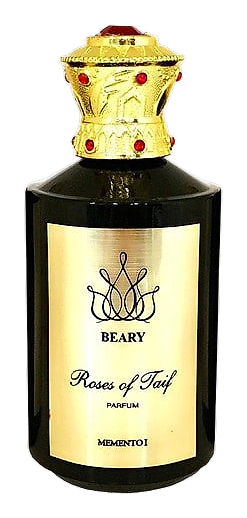
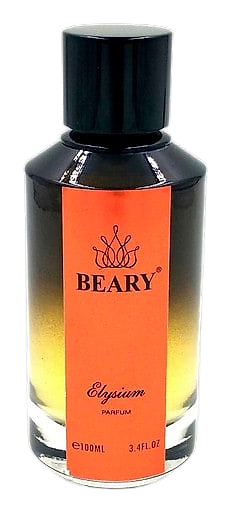
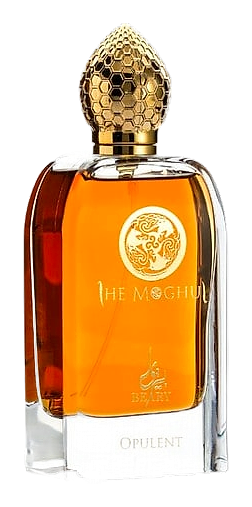
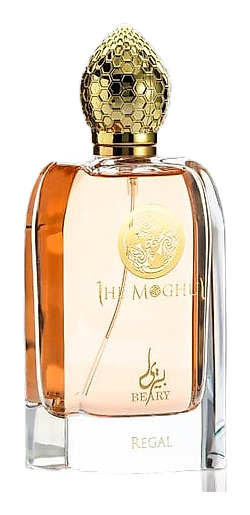
BearyBeary presents a fragrance wardrobe built around opulent materials, expressive contrasts, and richly scented names. Its catalog includes oud, roses, leather, musk, and amber-oriented compositions, with Hypnotica, Oud Edit, and Roses of Taif among the notable releases listed for 2016. Later titles such as Magnum, Regal, Clan, and Eternia extend that vocabulary with bold, imposing references. The available research does not establish Beary’s founding year, founder, production base, or official brand story, so its profile is best understood through the documented fragrance portfolio rather than company history.
The Creator
Mahran S Ali & Fahran S AliAli’s style is presented through the lens of oriental perfumery, with a preference for compositions that feel layered and deliberate. Although the available material does not name specific ingredients, the reference to oriental accords commonly evokes spices, woods, resins, ba…