
The Story
Why it exists.
The beginning
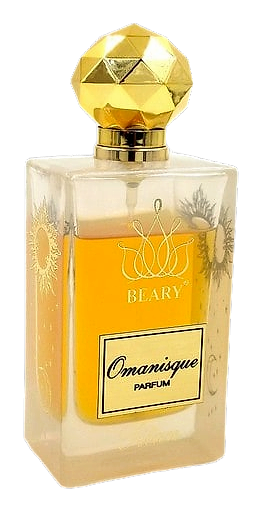
Omanisque was released in 2017, built around a single, vivid idea: the streets of Oman, where frankincense smoke threads through every souq and doorway. The brand framed it as a walk through those lanes, through the smell of resin burning in open braziers and leather goods hanging in shaded stalls. The word itself carries a theatrical edge, a name that sounds more like a stage gesture than a label, and the scent behind it carries that same energy forward. It was never designed to smell clean or polite. The composition leans hard into smoke and resin, into the kind of olfactory weight that fills a space rather than decorating it. There is something deliberate about that choice, a refusal to round off the edges, and the result is a fragrance that reads as a place rather than a product.
What makes the composition worth paying attention to is the hierarchy. Incense and leather lead, which puts frankincense in the role of a statement rather than a whisper. Rose and amber anchor the middle, but the rose is positioned to read jammy and dense, not airy or powdery. Then sandalwood and oud arrive as a double base, creamy and resinous at the same time. The two materials pull in opposite directions and yet lock together, with the sandalwood offering a milky smoothness while the oud brings a darker, animalic weight beneath.
The evolution
The opening carries serious weight. Frankincense billows forward, the leather underneath reads as something cured and dry, and the whole thing can feel almost harsh if you're not ready for it. The smoke dominates everything else in the first minutes, and the composition makes no apology for that intensity. As the minutes pass, the picture begins to shift. What smelled like burning resin starts to feel like a room that has been burning resin for hours, where the smoke has softened and the air has thickened into something almost edible. The rose emerges gradually from behind the incense, not as a delicate floral gesture but as something denser and more sugared, a rose that has been cooked down rather than freshly picked. It weaves through the smoke and changes the temperature of the whole composition.
Cultural impact
Omanisque reads as a fragrance that takes its reference points seriously. The frankincense smoke leads the composition, and that choice shapes everything else about how the scent is perceived. Rather than treating oud and rose as ornamental gestures, the composition places them in service of a larger atmospheric idea, where the materials work together to build a single sensory environment. The result is something that feels specific and rooted, less a general idea of the Middle East and more a particular corner of it.