
The Story
Why it exists.
The beginning
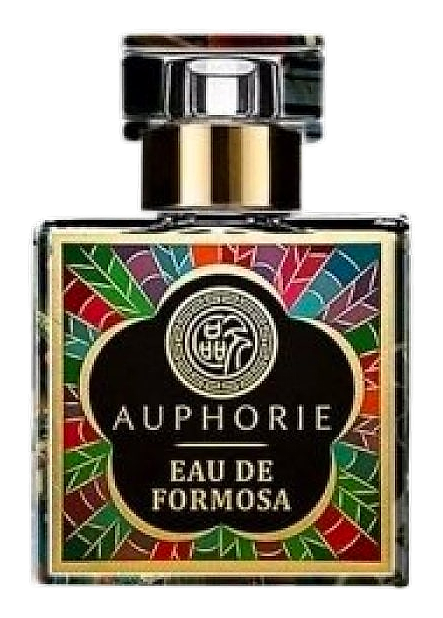
Eau De Formosa arrived in 2016, composed by Eugene Au with his brother Emrys. Formosa is the old European name for Taiwan, layered with romance and colonial history, and the scent leans into that contradiction. Bright, exotic on the surface, with something older stirring underneath. Eugene Au composed it as a floral that doesn't apologize for its animalic base, a fragrance that dresses in orchard fruit and tea blossoms but carries castoreum and civet in its pockets. The accord opens with mandarin, strawberry, pineapple, and hawthorn, a cascade of summer market sweetness, then folds into osmanthus tea and plum blossom before pulling toward castoreum, civet, oakmoss, musk, and amber in the base.
What makes Eau De Formosa unusual is the collision of registers. Mandarin, strawberry, pineapple, hawthorn up top, the stuff of a summer market stall. Osmanthus tea and plum blossom in the heart, meditative, almost quiet. Then the base pulls toward something ancient: castoreum, civet, oakmoss, musk, amber. The animalic materials do real structural work here, grounding the sweetness so it never reads as candy. The fruit-forward face hides a deeper skeleton of moss and musk, and that tension between what it shows and what it holds is where the composition earns its character.
The evolution
The opening arrives bright and almost edible. Mandarin orange and strawberry lift off first, joined by pineapple and hawthorn, a burst that reads more like biting into fruit on a warm afternoon than sniffing perfume. The fruit accord is juicy and immediate, almost candied in its intensity, with the hawthorn lending a slightly tart edge that keeps the sweetness from becoming cloying. The accord shifts as the fragrance warms against the skin. Plum blossom and osmanthus tea step forward alongside the listed rose, and the ginger adds a clean heat just beneath the floral surface. The fruit doesn't vanish, it deepens, folding into something more like stewed petals than fresh slices. The floral heart has a steeped quality, as though the osmanthus tea has actually been brewed into the composition, carrying that slightly leathery, apricot-like nuance that osmanthus is prized for.
Cultural impact
Eau De Formosa sits in a small, specific category: fruity-florals with animalic bones. It draws comparisons to classic compositions for its oakmoss-castoreum structure, though the tropical fruit opening marks it as something distinctly its own rather than a direct homage. The oakmoss provides a damp, forest-floor foundation while the castoreum lends its characteristic leather-and-saline depth, creating a base that feels both vintage in sensibility and contemporary in execution. The tension between pretty and primal defines the scent, a fragrance that reads innocent at first spray and reveals something stranger as it develops.