The Story
Why it exists.
The beginning
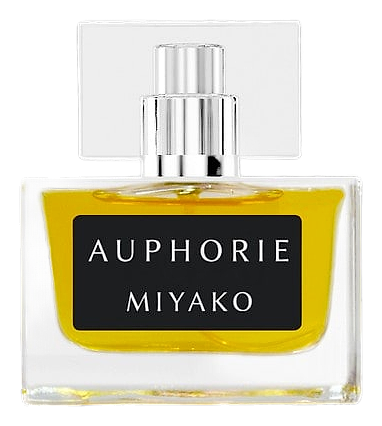
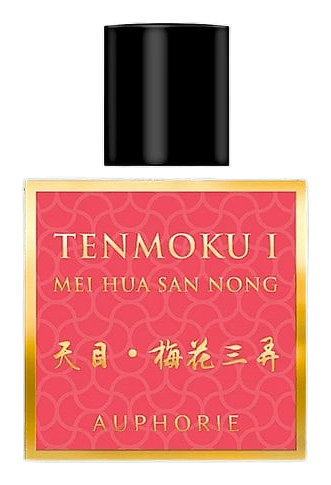
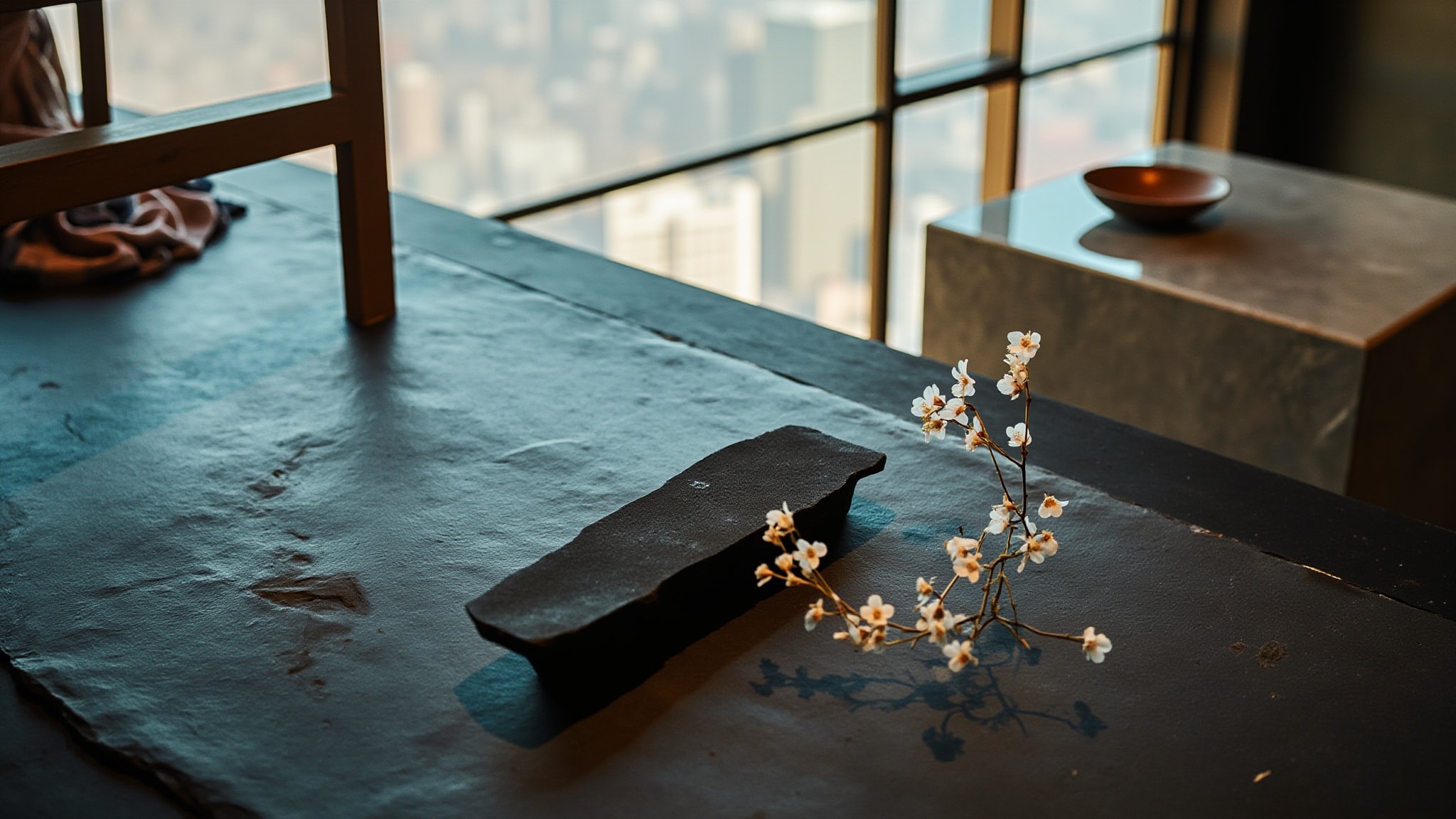
The Tenmoku Collection draws its name from a centuries-old Chinese porcelain tradition, Tenmoku wares, originally fired in kilns near Mount Tianmu in Zhejiang Province and later carried to Japan by Buddhist monks along with the ritual of tea. The porcelain is known for its variable glaze patterns, each piece emerging from the kiln as a one-of-a-kind object shaped by fire and chance. Eugene Au and Emrys Au built Tenmoku I, Mei Hua San Nong as the collection's first work, translating that visual unpredictability into scent. The structure centers on Mei Hua, the plum blossom trilogy: white plum blossom, red plum blossom, and wintersweet (the false plum blossom). These three flowers, each with a distinct character, form the olfactory backbone of the composition.
What makes Tenmoku I unusual is its use of plum wine as a top note, not plum fruit, but the fermented beverage itself, with its slightly sweet, slightly sour, almost medicinal depth. It's a note that reads differently depending on your frame of reference: to some, it evokes vinegar or a dark liqueur; to others, it signals something unmistakably Eastern and specific. The wintersweet at the heart, known botanically as Chimonanthus praecox, blooming in winter when little else does, adds a honeyed, waxy floralcy that differs markedly from more familiar winter florals like osmanthus.
The evolution
The opening lands with the rich, fermented sweetness of Qing Mei Jiu plum wine. Dark. Slightly sour. Nothing like the bright fruit notes common in Western perfumery. Within minutes, the iron arrives, sharp, mineral, the smell of metal cooling from high heat. It doesn't fight the plum wine; it redirects it. The plum blossoms emerge next, whites and reds appearing against the cooling mineral backdrop. Wintersweet adds its winter-blooming honeyed quality, a floral note that reads warm rather than bright. The three plum varieties layer in a way that feels deliberate, each one distinguishable if you pay attention. As the florals settle, the base begins to assert itself. Agarwood and Indian sandalwood form the structural warmth, but the imperial incense accord, resins, musk, ambergris, is what lingers. Smoke without aggression. A quiet, resinous presence that stays close to the skin for hours. On fabric, the drydown outlasts most fragrances by half a day. On skin, expect 8-10 hours depending on your chemistry.
Cultural impact
Tenmoku I arrived in 2020 as the opening chapter in a collection devoted to a specific ceramic tradition. The combination of plum wine, iron, and Song Dynasty incense made it an unusual proposition, neither the incense-forward oud common in Malaysian niche perfumery nor the florals typical of Western releases. For wearers who connected with its mineral-floral tension, it became a signature. For others, the iron note proved too literal, too far from the abstract florals or sweet woods they expected. That division, love or hesitation, rarely indifference, is perhaps the most honest measure of what Auphorie achieved with this one.