Plum Wine
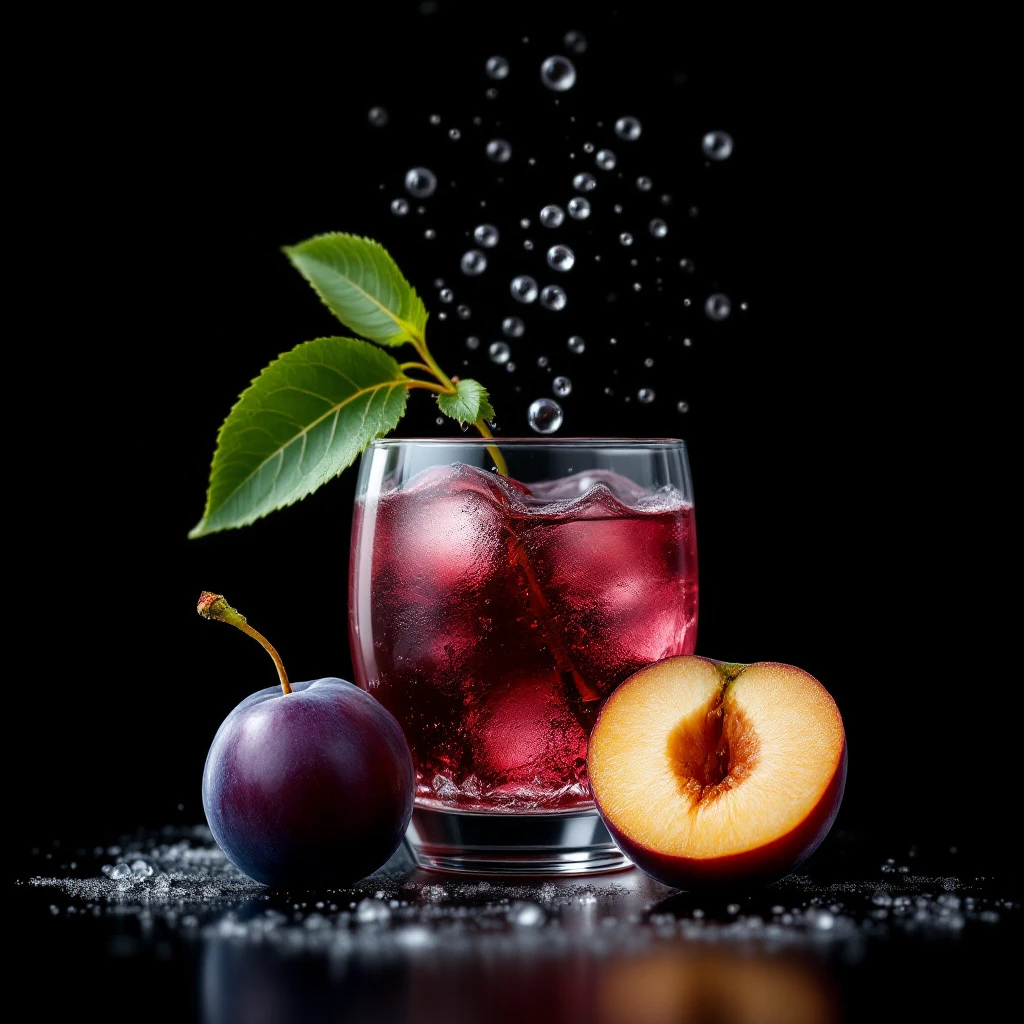
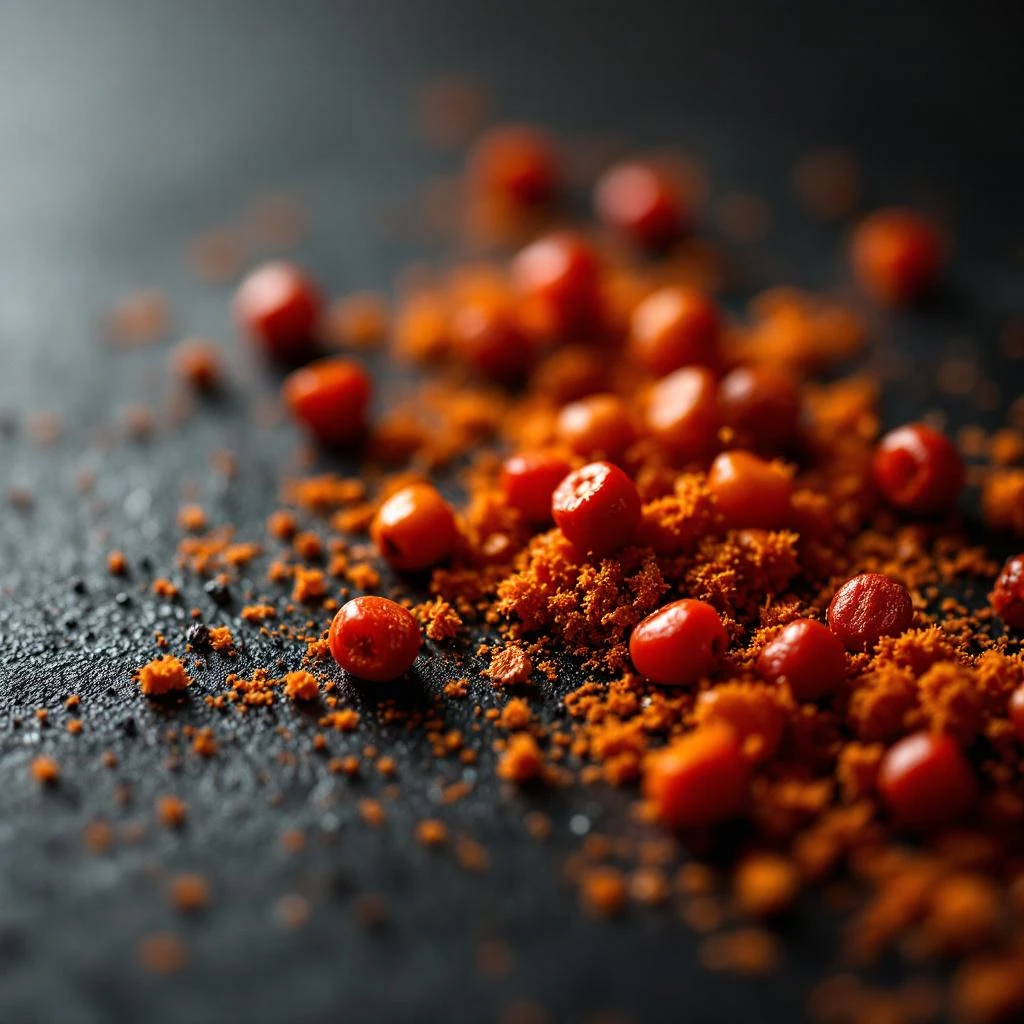
Plum wine captures the luscious depth of fermented Japanese umegae plums, blending jammy sweetness with wine-like warmth. This opulent note brings rich, velvety fruitiness that lingers like the last sip of a vintage.
Character
How it smells
Velvety fruit softened by wine's gentle warmth.
The damascones used to build plum wine notes are the same molecules that give black tea its characteristic aged, fruity aroma.




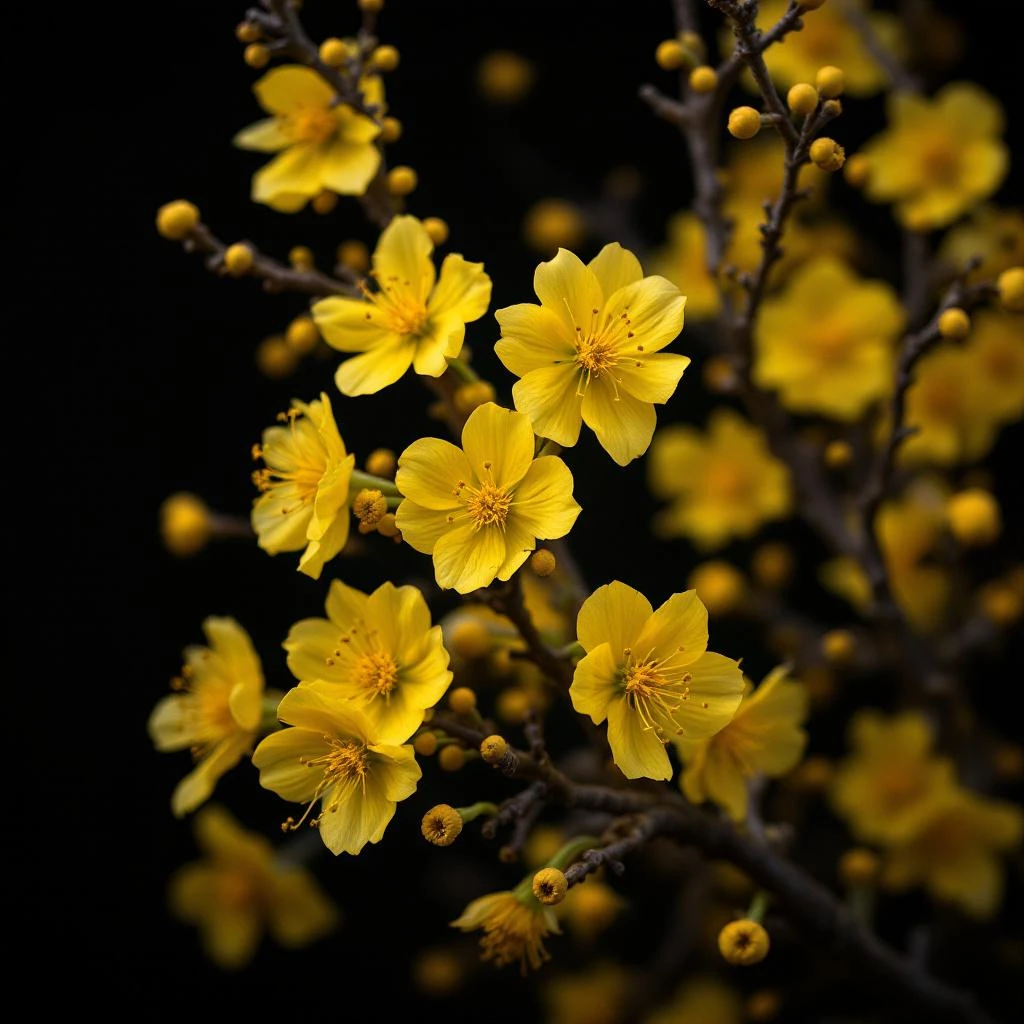
Origin
Japan
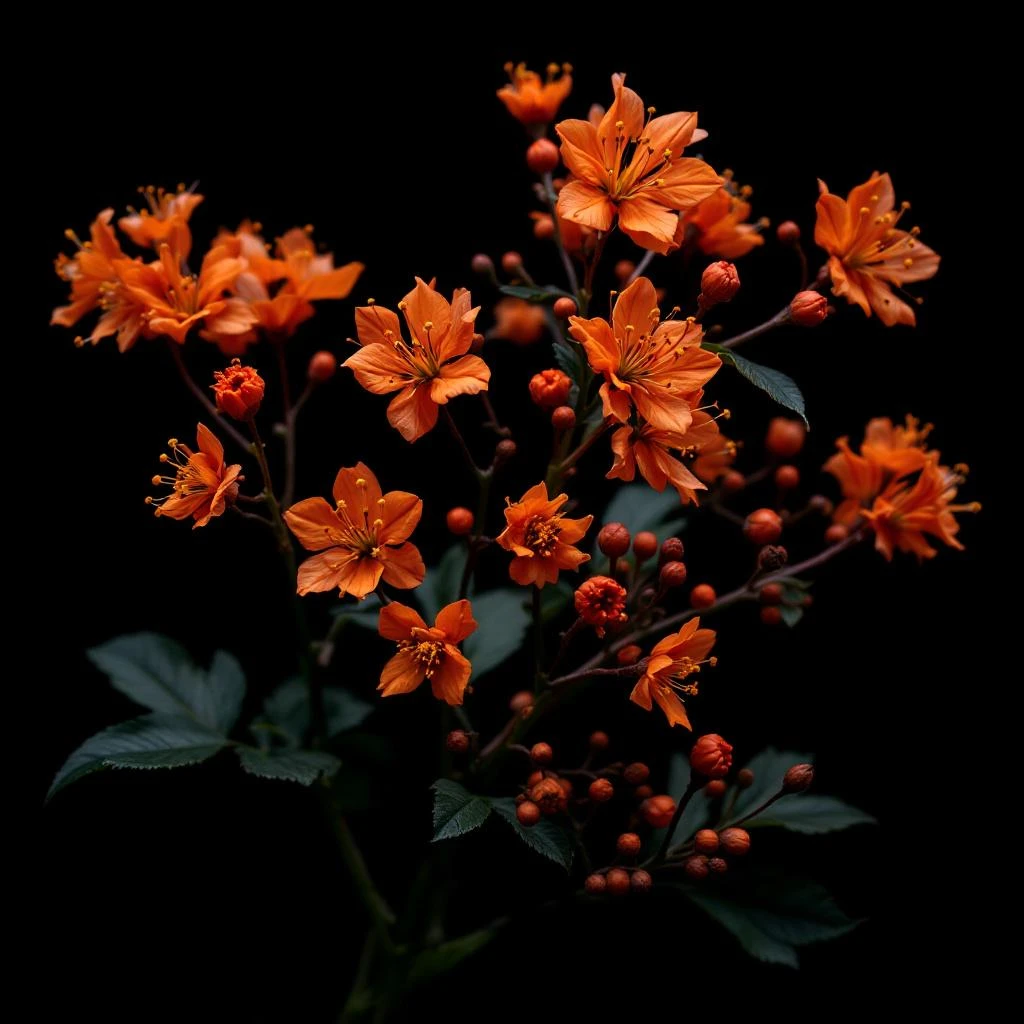
Japanese plum wine, or umeshu, has been crafted since at least the Edo period when traders began preserving green ume plums in liquor. The resulting elixir became integral to Japanese hospitality, served at celebrations and stored as a family tradition passed between generations. When perfumers sought to capture this beloved beverage's essence, they found plum's complex aroma impossible to extract directly from fruit.
This challenge drove synthetic chemistry toward recreating the damascone molecules that define ripe, fermented plum. Today, plum wine notes honor centuries of Japanese craftsmanship while existing entirely in the laboratory, a collaboration between cultural tradition and modern innovation.
Wears it best
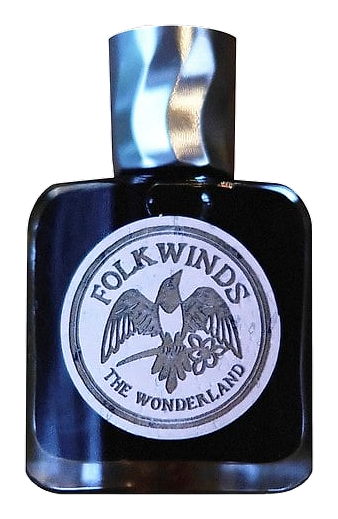
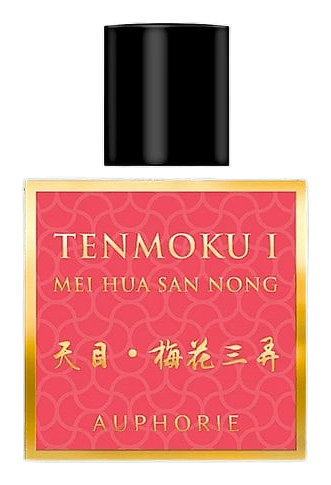
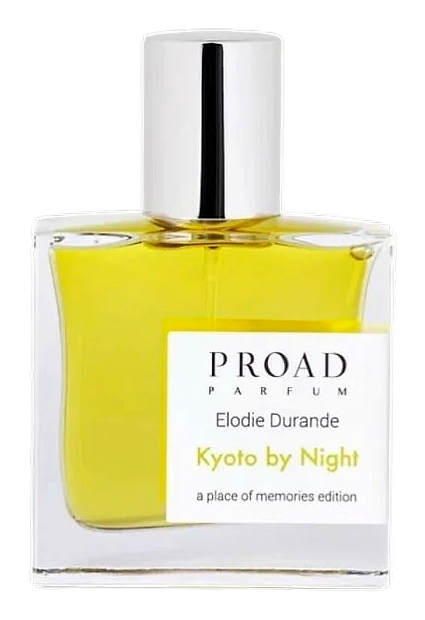
Fragrances featuring Plum Wine
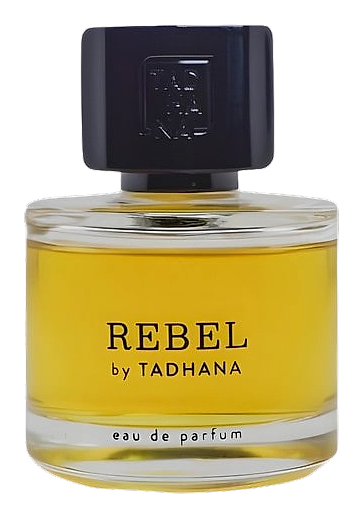
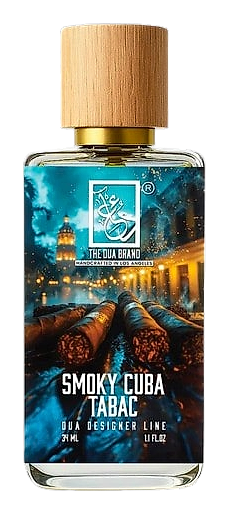
Brands
Brands known for Plum Wine
Good to know
Questions, answered
The essentials on Plum Wine in perfumery: how it smells, where it comes from, and how it behaves on skin.
Is plum wine a natural or synthetic ingredient?
Plum wine is primarily synthetic. Natural plum extraction is prohibitively expensive and yields unstable results, so perfumers recreate the note using damascone compounds in the laboratory.
What molecules create the plum wine character?
Beta-damascone and alpha-ionone form the core of plum wine notes. These compounds deliver the characteristic jammy, fermented fruit character that defines the ingredient.
Does plum wine smell like actual plum wine?
The best plum wine materials capture fermented fruit depth with wine-like warmth, offering rich jammy sweetness balanced by subtle tartness. Quality varies significantly between synthetic sources.
Which fragrance families use plum wine notes?
Plum wine appears frequently in oriental and gourmand fragrances, where its rich fruitiness supports vanilla, oud, and woody bases. It also adds depth to sophisticated chypre compositions.
Can natural plum extracts replace synthetic plum wine?
Japanese umegae plum absolute exists but remains rare and expensive. Most perfumers use it as a supporting note rather than a primary plum wine replacement.
How does plum wine age in a fragrance?
Plum wine notes evolve over hours, initially presenting bright fruitiness before deepening into fermented, wine-like warmth as top notes dissipate.
What pairs well with plum wine in perfumery?
Sandalwood, amber, and light florals complement plum wine's richness. Bitter accords like coffee or dark tea create striking contrast against its sweetness.
Why is plum wine so common in modern perfumery?
Plum wine's versatility bridges fruity and oriental fragrance families. Its synthetic nature also provides consistency across batches, unlike natural materials that vary seasonally.