The Story
Why it exists.
The beginning
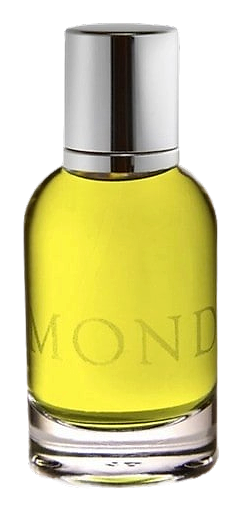
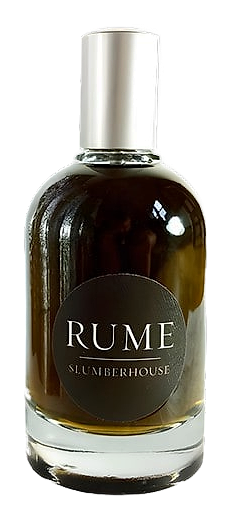
Rume arrived in 2011, and from the first spray it announces its intentions. The composition is built from a raw, material-first sensibility, the kind of approach that treats natural ingredients as structural rather than decorative. The name itself carries a certain gravity, a single word that does the work of a paragraph. The perfume reads as an heir to something older, filtered through a perfumer who cares more about texture than trend. It was never meant to be polite. Rume was the proof of what this house could do when it stopped worrying about whether anyone outside a tight circle understood what they were smelling. What comes out of the bottle is dense in a way most fragrances aren't anymore. The resins hit first, and they hit hard.
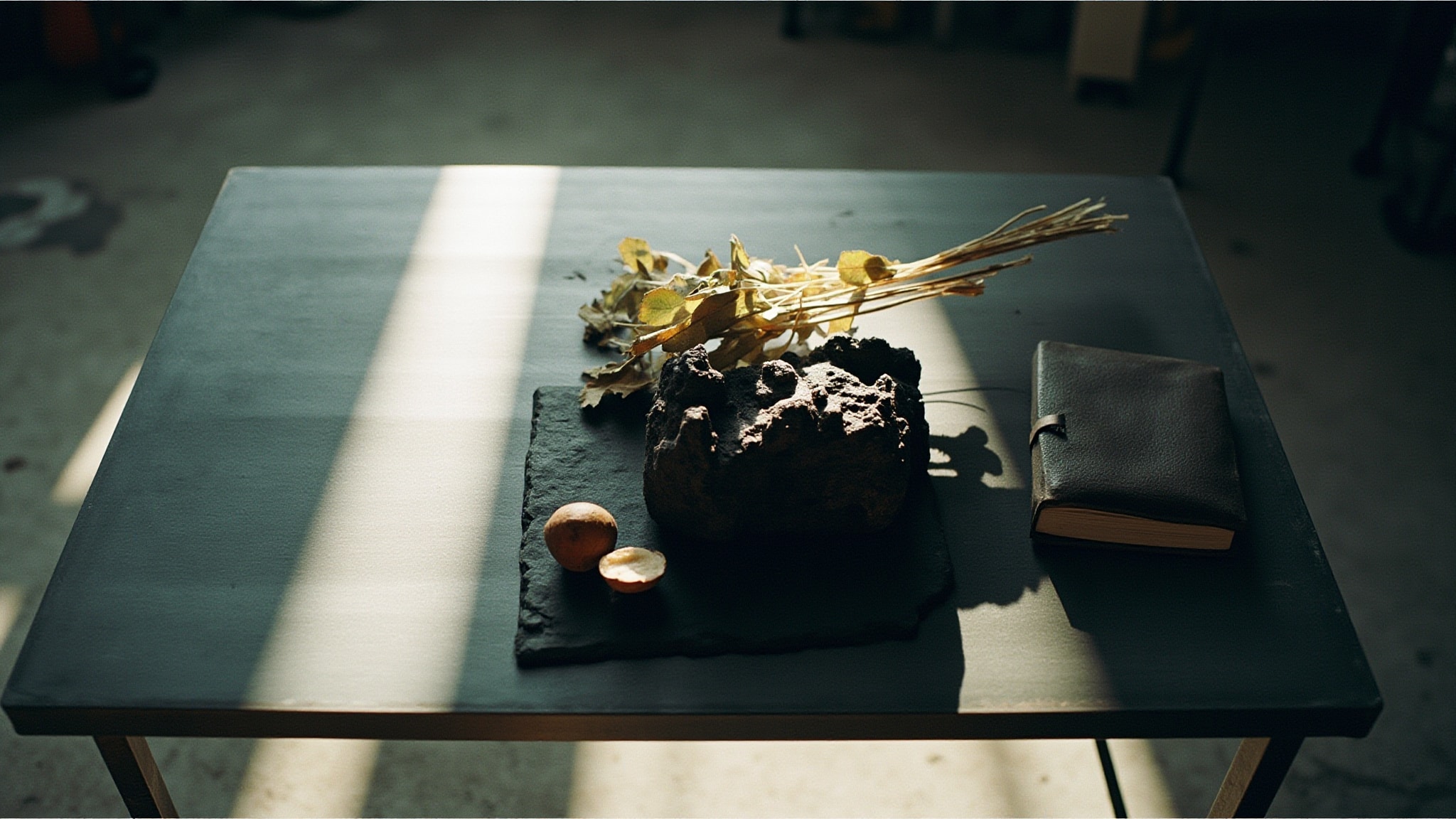
What makes Rume structurally interesting is how few notes do all the work. Myrrh and labdanum form a resinous spine that carries through every phase, while bay leaf, cola, hay, hazelnut, and loam weave in and out around it. The accords list it as smoky, resinous, spicy, sweet, and earthy, which sounds like a lot until you wear it. The composition is remarkably unified for something that pulls from that many directions. The trick is that none of the notes are treated as accents. Bay leaf isn't a brightener. Cola isn't a novelty. Loam isn't a curiosity.
The evolution
Rume opens dense, almost confrontational. The myrrh and labdanum arrive first, sticky-sweet and dark, with a camphorated edge from the bay that keeps the resin from sliding into pure incense. The cola and hazelnut surface in the early going, giving the composition an unexpected warmth that reads almost like mulled cider, boozy and spiced, though no actual spice note is present. This is the phase most people either fall for or pull back from. The sweetness is real, but it sits inside something rough, something that doesn't want to be worn casually. As the fragrance moves forward, the hay and loam start to assert themselves, pulling the scent downward into something green and mineral, like walking through damp grass after rain. The resins never fully leave. They just get quieter, settling underneath the earth like a held breath.
Cultural impact
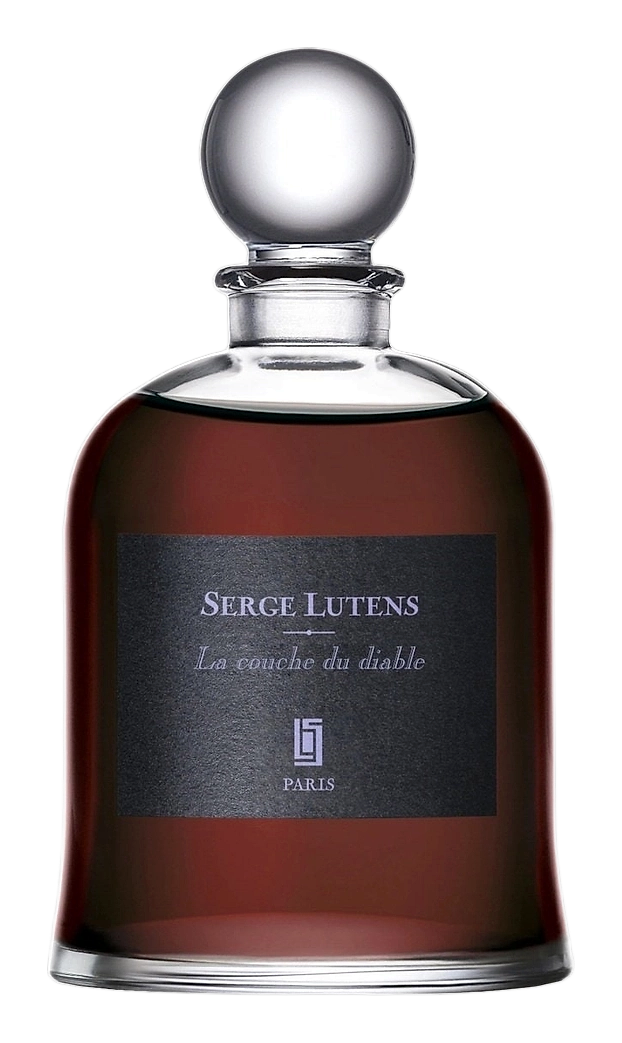
Rume sits in a specific corner of the niche world, where resin-forward compositions and unconventional material choices are valued over mainstream accessibility. It's been compared to Fille en Aiguilles by Serge Lutens, and the comparison points to a shared interest in bay leaf and resin as structural elements. The fragrance never crossed over to mainstream audiences, and it wasn't built to. It found a quiet following among collectors who value material density, people who'd rather smell like a forest floor than a department store counter.