










The Heritage
The Story of Slumberhouse
Slumberhouse is a small‑batch fragrance house rooted in the Pacific Northwest. Founded in the late 2000s, the label crafts niche colognes that echo the misty Oregon coast and the creative pulse of Portland. Each scent arrives in a modest bottle, inviting collectors to explore a world that feels both personal and adventurous. The brand’s modest scale lets it focus on texture, balance, and a quiet sense of place.
Heritage
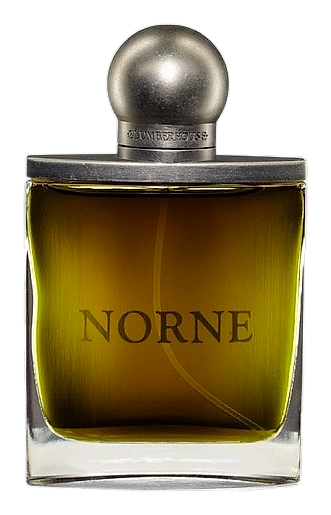
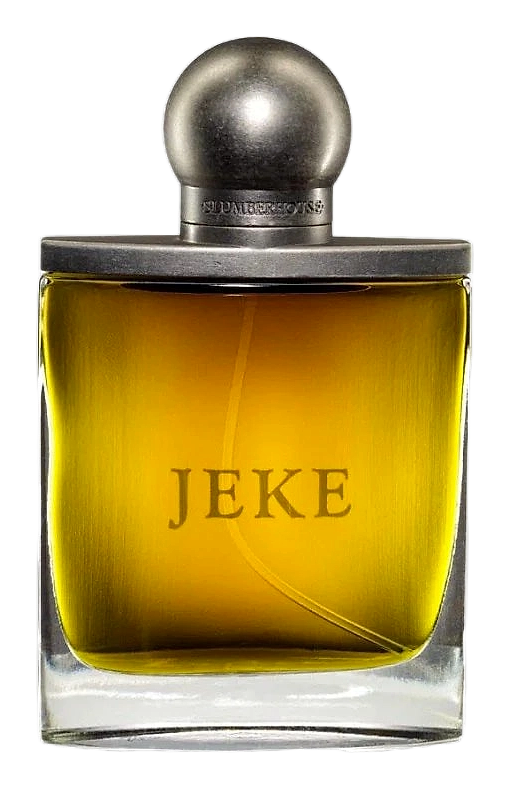
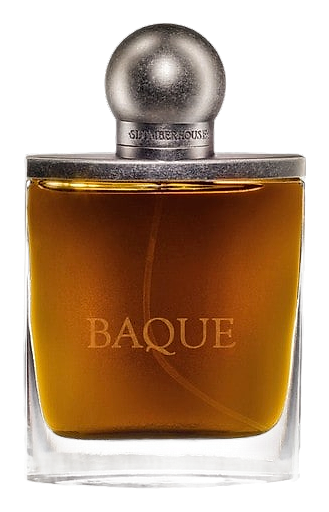
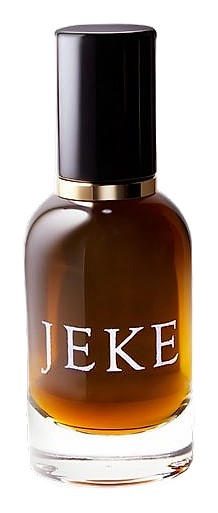
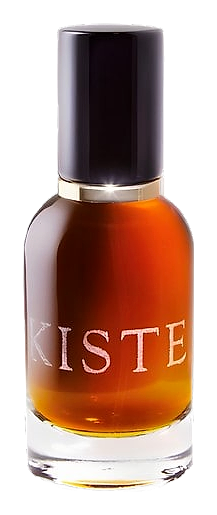
Josh Lobb launched Slumberhouse around 2008 after years of experimenting with raw materials in his Oregon workshop. Early releases such as Kote (2011) and Baque (2012) established a reputation for unconventional blends that favored depth over flash. In 2012 the house introduced Norne, a fragrance that quickly earned a cult following among niche enthusiasts. By 2015 the line expanded to include Sixes & Sevens, a scent that referenced urban rhythm while retaining the brand’s coastal sensibility. Production moved to a modest studio in Arch Cape, a small town along the northern Oregon coast, where the sea breeze and forest aromas inform the olfactory palette. Orders are packed and shipped from the Old Town neighborhood of Portland, preserving a direct connection between creator and collector. The brand’s catalog grew steadily, adding Jeke (2022) and its 2025 iteration, as well as Sibet (2022) and Kiste (2022). Throughout its evolution, Slumberhouse has resisted mass‑market pressures, opting instead for limited releases that maintain a sense of discovery. The house remains a fixture in the niche community, often highlighted in independent blogs and fragrance forums for its willingness to explore shadowy, introspective themes.
Craftsmanship
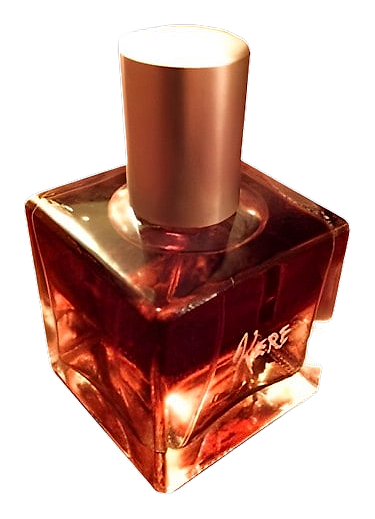
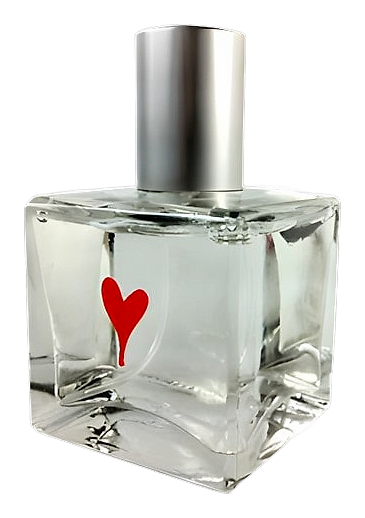
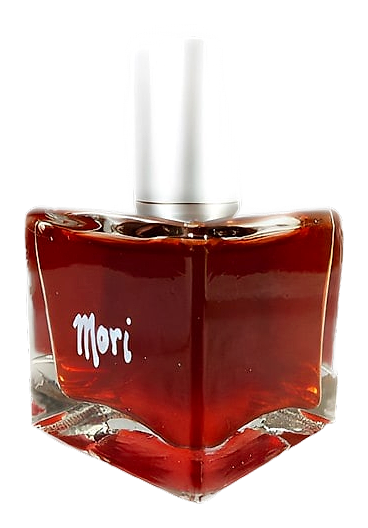
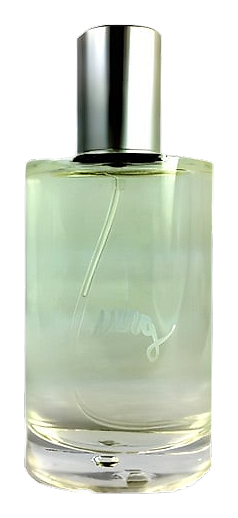
Every Slumberhouse perfume begins with a small inventory of raw materials sourced from specialty suppliers. The house favors natural absolutes, such as pine resin and ambergris substitutes, alongside synthetics that add depth without overwhelming the composition. In the Arch Cape studio, Lobb blends ingredients by hand, measuring each component with a precision scale before stirring in a glass beaker. The process emphasizes patience; many formulas sit for weeks to allow the notes to meld, a practice the founder calls "quiet aging." Once a blend reaches its intended balance, the mixture is transferred to a stainless‑steel tank for a brief maceration period. Bottling occurs on demand, with each bottle filled manually to avoid air exposure. The glass containers are clear, unadorned cylinders that showcase the liquid’s hue. Labels are printed on recycled paper, reflecting the brand’s low‑impact mindset. Quality checks include a blind sniff test by a small panel of trusted collectors, ensuring consistency across batches. Because production runs are limited—often fewer than a thousand units per release—the house can maintain tight control over every step, from ingredient selection to final seal.
Design Language
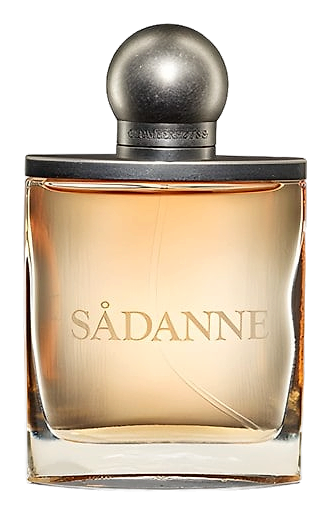
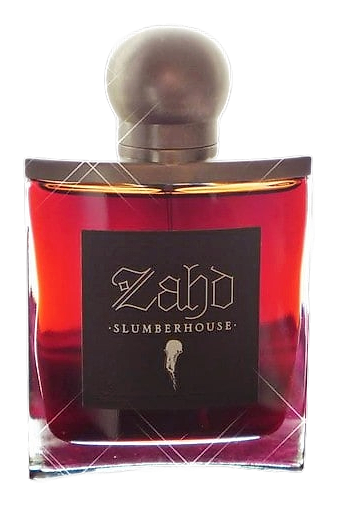
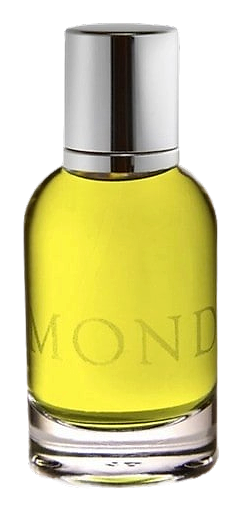
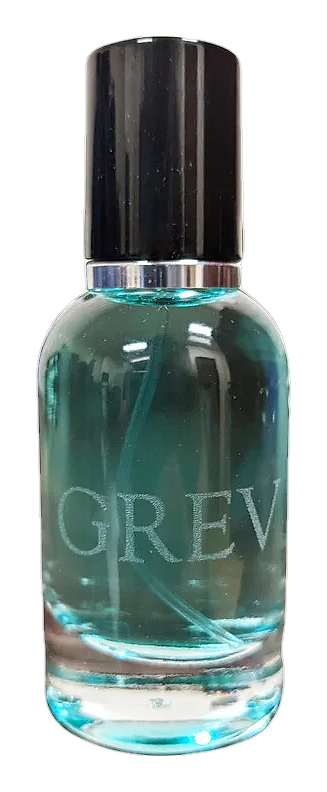
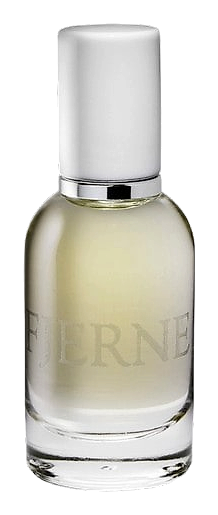
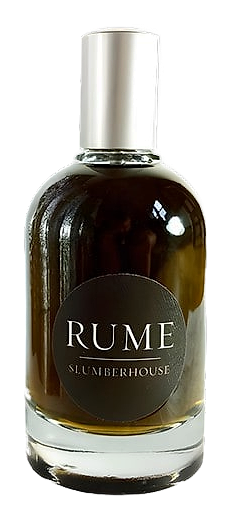
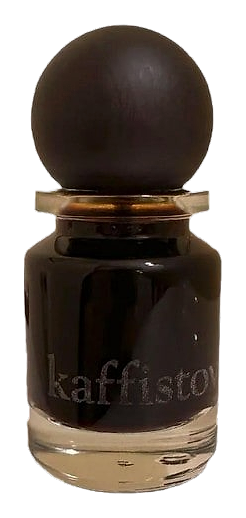
Slumberhouse’s visual language mirrors its scent philosophy: understated, functional, and slightly weathered. Bottles are simple cylindrical glass vessels with a narrow neck, allowing the perfume’s color to become the focal point. Caps are matte black or brushed aluminum, chosen for durability rather than flash. Labels feature a thin sans‑serif typeface printed in black on off‑white cardstock, often accompanied by a small line drawing that hints at the fragrance’s inspiration—a pine silhouette for Norne, a wave for Kote, or a city skyline for Sixes & Sevens. The brand’s website follows the same minimal approach, using generous white space, muted earth tones, and straightforward navigation. Marketing imagery typically shows the bottles placed on reclaimed wood or concrete, set against soft natural light, reinforcing the connection to the Oregon coast. This restrained aesthetic has earned the label mention in independent design blogs that appreciate its consistency and lack of gimmickry.
Philosophy
Slumberhouse approaches perfumery as a dialogue between environment and emotion. The founder describes each fragrance as a snapshot of a specific moment—whether a fog‑laden shoreline or a late‑night city street. The brand values authenticity, choosing ingredients that convey texture rather than sparkle. It avoids overt marketing slogans, letting the scent speak for itself. Creative decisions stem from personal experience; Lobb often cites a walk on the Oregon dunes or a vinyl record as the spark for a new composition. The house also embraces a minimalist ethos: packaging stays simple, and the scent narrative remains uncluttered, allowing wearers to project their own memories onto the fragrance. This philosophy aligns with a broader niche movement that prizes individuality over trend‑driven conformity.
Key Milestones
2008
First fragrance released, marking the official start of Slumberhouse.
2011
Kote launched, gaining early attention in niche fragrance forums.
2012
Norne debuted and quickly became a cult favorite among collectors.
2015
Production moved to a dedicated studio in Arch Cape, Oregon.
2022
Three new releases—Jeke, Sibet, and Kiste—expanded the house’s modern portfolio.
2025
Jeke 2025 edition arrived, demonstrating the brand’s commitment to revisiting and refining earlier concepts.
At a Glance
Brand profile snapshot
Origin
United States
Founded
2008
Heritage
18
Years active
Collection
4
Fragrances released
Avg Rating
4.3
Community sentiment
Release Rhythm


