
The Story
Why it exists.
The beginning
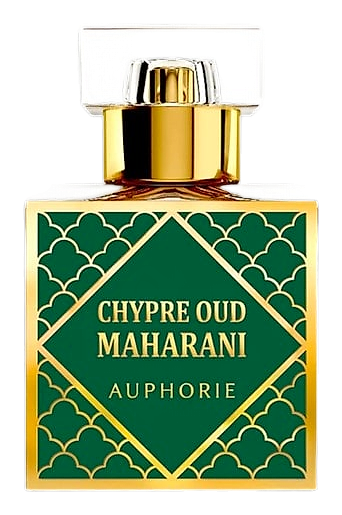
Chypre Oud Maharani was the second release in Auphorie's Imperial Oud Collection, a curated series of extraits built around the premise that natural oud, handled honestly, needs no embellishment. Eugene Au and Emrys Au had already spent years working with oud oils from different regions, distilling their own accords in-house. The idea for this fragrance came from a specific question: what happens when you treat yesteryear's chypre structure not as a relic, but as a framework? The brothers weren't interested in nostalgia. They were interested in what the old forms could still do that modern compositions couldn't, that slow build, the moss taking over, the iris powder settling into skin like it belonged there all along. The result was a single batch. One distillation. Forty percent pure perfume oil, the kind of concentration that doesn't need to shout.
What makes this composition unusual is the placement of the oud. In most oud fragrances, the agarwood anchors the base and announces itself loudly. Here, it's already present in the heart, woven into the florals, tempered by spices, arriving before the oakmoss has even had its moment. The custom-distilled oakmoss becomes the true protagonist, but only in the drydown, once everything else has stepped back. It's a structure that requires patience. The fragrance withholds its most interesting element until late. The oud oils, sourced from multiple regions and custom-distilled, add depth and animalic warmth without overpowering the classical chypre architecture.
The evolution
The opening lasts longer than expected. Bergamot doesn't vanish immediately, it lingers alongside the spices, citrus brightness cutting through the warmth beneath. Jasmine and rose announce themselves next, but they don't compete. They orbit. The oud arrives while the florals are still present, adding depth without overwhelming. This middle phase is where most fragrances find their identity, and here it feels like a conversation, each note responding to the others. Then the handoff. Bergamot fades first, then jasmine, then the rose softens to a whisper. What remains is the oakmoss. Earthy. Dry. Almost green in its quietness. Iris follows, powdery and root-like, settling alongside amber and musk. The musk here reads as skin-warm, close, almost animalic without ever crossing into aggression. This is the payoff phase. The extrait clings. Not projecting, not filling the room, just present, intimate, yours. Hours later, on fabric, on skin, the final impression is powder and warmth. Musk, iris, amber. The oud has receded entirely.
Cultural impact
Chypre Oud Maharani occupies an unusual position: it appeals simultaneously to collectors seeking rare, discontinued pieces and to chypre enthusiasts who remember what the genre once delivered. The custom-distilled oakmoss and oud oils distinguish it from mass-market oud fragrances that rely on synthetic replacements. For those who understand what a true chypre drydown feels like, that powdery, mossy, almost dusty quality, this fragrance delivers something increasingly rare in modern perfumery. It's a niche composition that rewards knowledge.