Bluebonnet
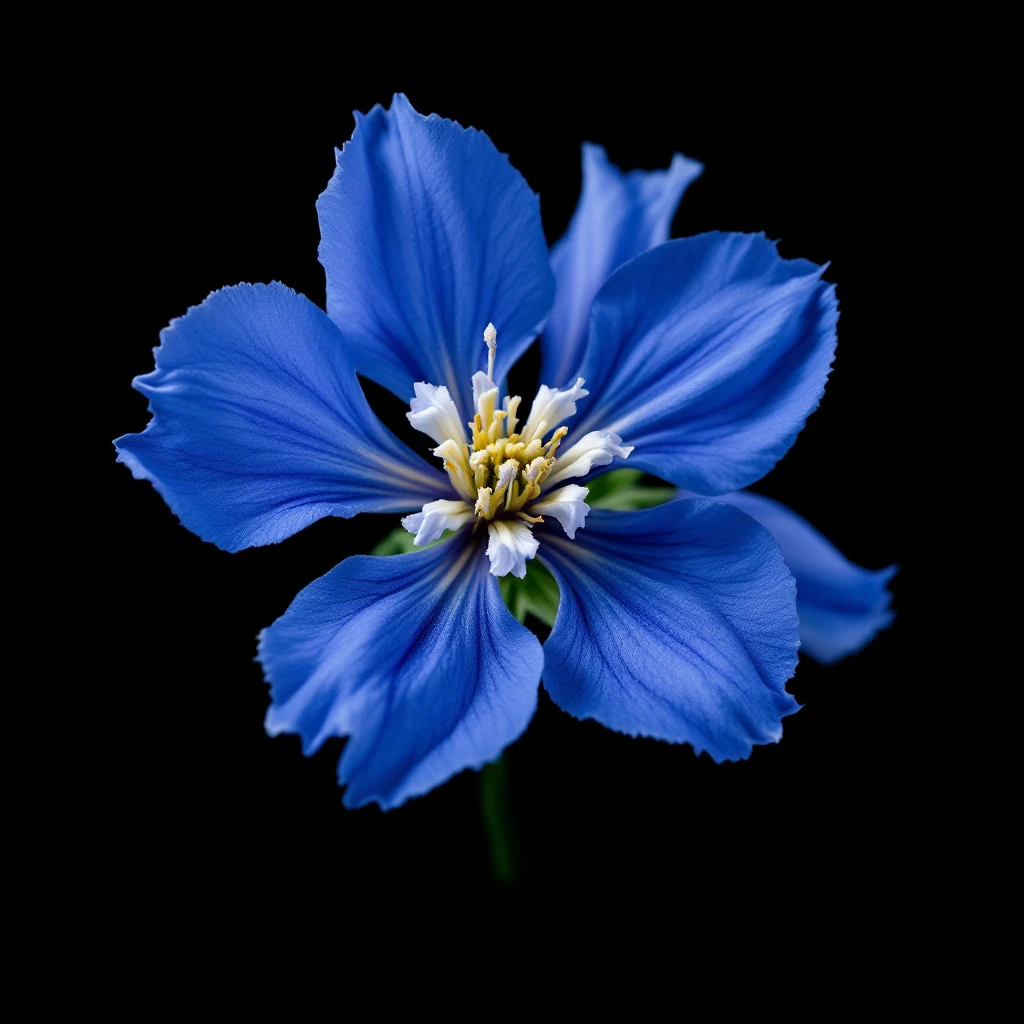
Bluebonnet is the iconic wildflower of the Texas Hill Country, turning spring meadows into vivid blue carpets. In perfumery, its delicate, sweet-pea character rarely appears, but when captured, it evokes sun-warmed fields and open prairie air. This note brings a distinctly American botanical presence to fragrance composition.
Character
How it smells
Texas' beloved wildflower, captured in scent.
Texas designated bluebonnet as the state flower in 1901, the first state to name an official flower.






Origin
United States
Native Americans long used bluebonnet in poultices and dyes before Anglo settlers adopted the flower as a regional symbol. Texas recognized it as the state flower in 1901, making it the first state to codify an official bloom.
The plant's scientific name, Lupinus texensis, reflects its Lone Star identity. While classical European perfumery never incorporated bluebonnet, contemporary American perfumers increasingly reference it as a signature botanical note representing Southwest terroir, paralleling how French perfumers once elevated lavender and iris from regional flowers into luxury ingredients.
Wears it best
Fragrances featuring Bluebonnet
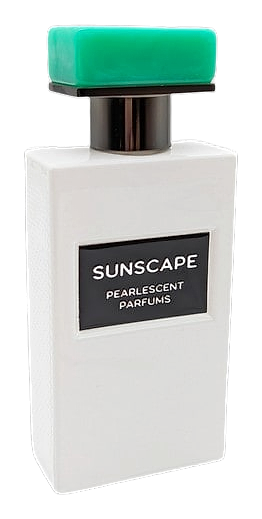
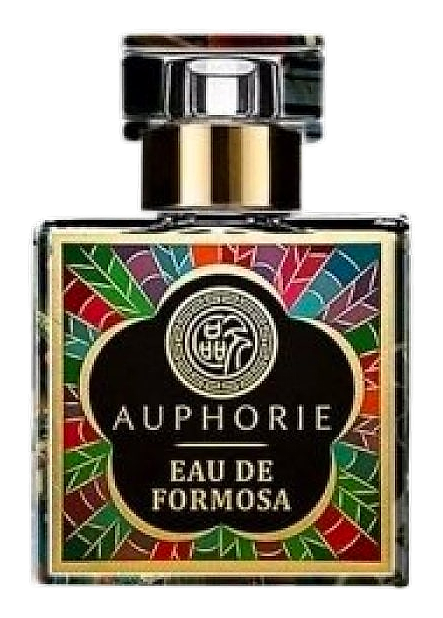

Brands
Brands known for Bluebonnet
Good to know
Questions, answered
The essentials on Bluebonnet in perfumery: how it smells, where it comes from, and how it behaves on skin.
What does bluebonnet smell like?
Bluebonnet carries a light, sweet-pea aroma with grassy green undertones and subtle honey accents. The scent is airy and ephemeral, making it challenging to capture in fragrance without enhancement.
Is bluebonnet used in mainstream perfumes?
Bluebonnet appears rarely in commercial fragrances. It shows up more often in niche American botanical perfumes or limited-edition Texas-themed scents rather than mass-market products.
How is bluebonnet fragrance created?
Most bluebonnet fragrance materials derive from headspace technology, which captures airborne scent molecules from living flowers without harvesting them. This method preserves delicate top notes that traditional extraction often destroys.
Where does bluebonnet grow naturally?
Bluebonnet grows across central and south Texas, extending into Oklahoma and northern Mexico. The plants favor limestone-rich soils and full sun exposure, particularly in the Edwards Plateau region.
When does bluebonnet bloom?
Bluebonnet flowers from mid-March through May, with peak bloom typically occurring in April. The brief flowering window limits natural harvest opportunities for fragrance production.
Can bluebonnet be synthetically replicated?
Yes. Synthetic analogs can recreate the sweet, green-pea character of bluebonnet by combining pea-related aromatic compounds with grassy green notes. These synthetics provide consistency that natural extracts cannot guarantee.
What fragrance families pair well with bluebonnet?
Bluebonnet works well in airy florals, green chypres, and American prairie-inspired compositions. It combines naturally with Texas cedar, green grass notes, and light citrus accents.
Is bluebonnet harvesting sustainable?
Wild bluebonnet harvesting raises conservation concerns. Texas wildflower protection laws restrict picking in certain areas. Responsible fragrance producers source from cultivated stands or use headspace capture to avoid damaging wild populations.





