The Story
Why it exists.
The beginning
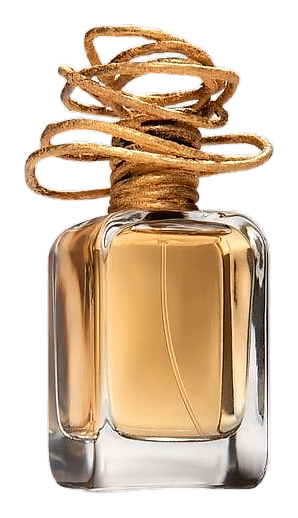
The brothers Au chose Dunhuang as their subject not for its temples or its caves, but for what happened between them. An ancient crossroads on the edge of the Gobi Desert, where the northern and southern Silk Road branches converged, where merchants from Rome, Persia, India, and China passed through and left something behind. The city's golden era wasn't a single culture's achievement, it was the collision. Spices, cashmere, tea, exotic flowers, all arriving from different directions and becoming something that belonged only to Dunhuang. That convergence became the brief. Auphorie took the idea of a market, its noise, its layering, its contradiction, and asked: what if you could wear that? Not a single memory but the whole tangle of them.
The pyramid is unusually wide. Ten heart notes suggest a perfumer unwilling to leave anything at the border. Star anise and clove sit alongside jasmine tea and rose, spices that could easily overwhelm, kept in check by orris root's powdery cool. The cashmere wood and hay in the base aren't dramatic materials on their own; here they function like the walls of that ancient market, giving all the exotic goods a structure to rest against. Bitter almond and vanilla anchor the sweetness. They're not the dominant move, this isn't a Gourmand, but they are the reason the drydown feels like something warm remains after the traders have gone to sleep. The fragrance earns its length by refusing to pick a lane.
The evolution
It opens bright. Mandarin orange and lotus arrive in quick succession, a citrus-floral jolt that reads almost aqueous, like someone just opened a window in a warm room. Orange blossom adds a bitter-green undertone that keeps the sweetness honest. Within twenty minutes the lotus recedes and the heart takes over. Jasmine tea is the anchor here, cool and slightly astringent, threaded with star anise and clove that build slowly. The rose appears around the forty-minute mark, not a fresh romantic rose but something darker, resinous, sitting beneath the spice like a second floor you didn't know was there. The drydown is where this fragrance earns its hours. Vanilla and bitter almond surface together, creating an edible warmth that never becomes saccharine. Cashmere wood and hay arrive last, a quiet pastoral note that feels almost out of place given everything that came before, but settles in like someone finally sitting down after a long day. Musk and patchouli keep the whole thing grounded. On fabric, it lasts into the next morning.
Cultural impact
Released in 2017 as part of a catalogue that includes Zen, Golden Chersonese, Eternal Voyage, and Chypre Oud Maharani, L'Histoire Oubliée de Dunhuang occupies a distinct position within Auphorie's body of work. Where most niche releases of that period leaned into single-note intensity or minimal compositions, this fragrance went the opposite direction, a maximalist exercise in olfactory storytelling, attempting to translate an entire historical city into scent. Wearers describe it as the fragrance for someone who walks into a room and doesn't need to announce themselves.