The Story
Why it exists.
The beginning
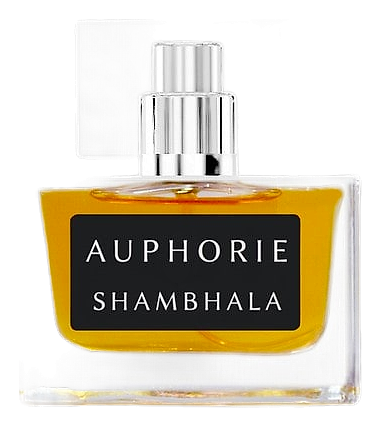
Shambala takes its name from the mythical hidden kingdom described in Tibetan Buddhist tradition, a place of enlightenment said to exist somewhere in the high Himalayas. For the Au brothers, it wasn't about recreating a geographical location. It was about capturing the sensory experience of that space: the smoke, the flowers, the altitude, the stillness. Eugene Au built Shambala around the idea that fragrance could function as a portable pilgrimage, that wearing it might approximate what it feels like to stand inside a temple at altitude, breathing in incense and cold air at the same time.
What makes Shambala's structure unusual is the Tibetan incense accord at its center, not a single ingredient but a chord of seven materials that arrive as one. Mysore sandalwood, oud, Himalayan cedar, frankincense, myrrh, spikenard, and amber don't layer in sequence. They layer simultaneously, creating an intricate combo that's mystical, woody, balsamic, bitter, and pungent all at once. The florals, night-blooming jasmine and rose, don't function as a traditional top note either. They arrive with the incense, cutting its density with tropical sweetness from the first breath.
The evolution
The first hour is the densest. Night-blooming jasmine and damask rose hit together, thick, almost overwhelming in their sweetness. But the incense cuts it immediately. Frankincense and myrrh arrive sharp, acrid, like smoke that hasn't quite caught. For thirty minutes, there's a tension between the lush florals and the resinous bite. Then the sandalwood takes over. Mysore sandalwood becomes the spine that holds everything together for the next several hours. Himalayan cedar and oud add weight without heaviness. By the drydown, the smoke has thinned and the jasmine sweetness resurfaces, but it's warmer now, cushioned by amber and musk against the skin. Some wearers detect a clean, almost soapy quality in this final stage. The base notes linger for 8-10 hours, with sandalwood and amber holding on long after the incense fades.
Cultural impact
Shambala exists in the lineage of spiritual-scented compositions, fragrances that take sacred spaces and translate them into wearable form. Tauer Perfumes built a reputation on similar territory, as did Heeley with his incense-forward releases. Auphorie's contribution to this conversation is distinct: a Malaysian house interpreting Himalayan incense traditions through an Asian lens. Shambala arrived in 2015 as part of the house's debut collection, earning coverage in regional fragrance blogs for its unconventional structure and cultural specificity. It's since become a reference point for anyone seeking incense-forward compositions that resist the typical Western interpretation of 'oriental', spiritual without being esoteric, complex without being impenetrable.