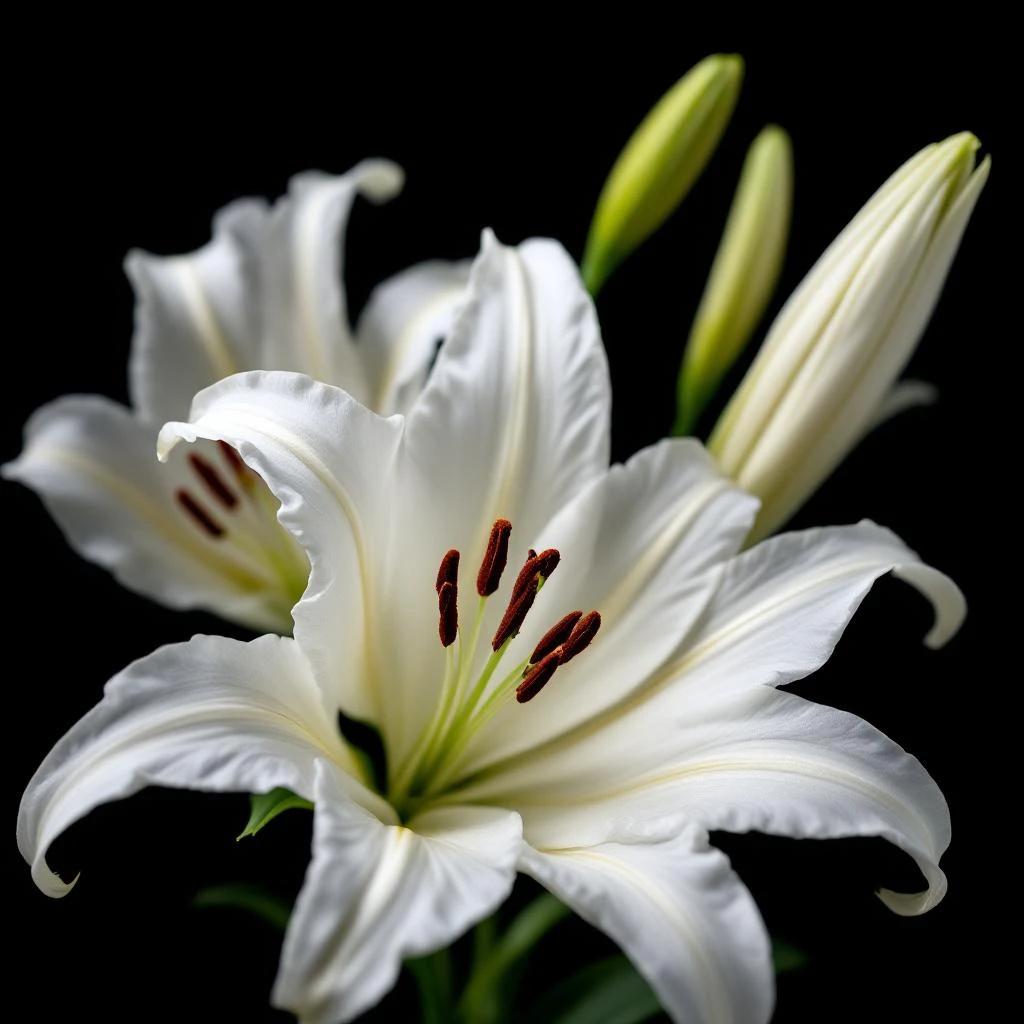
Osmanthus Tea
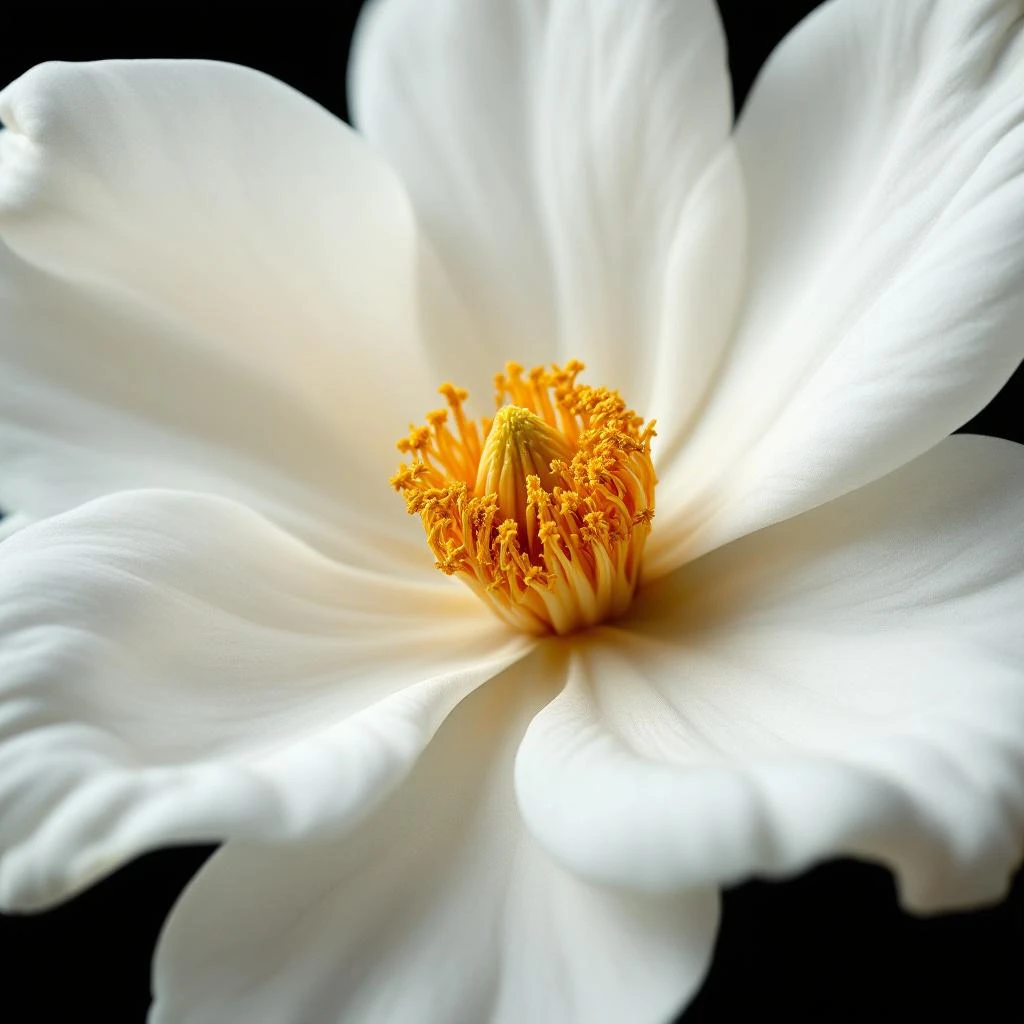
An apricot-scented whisper from China's ancient gardens, osmanthus captures sun-warmed stone fruit, soft leather, and brewed tea in a single, luminous bloom.
Character
How it smells
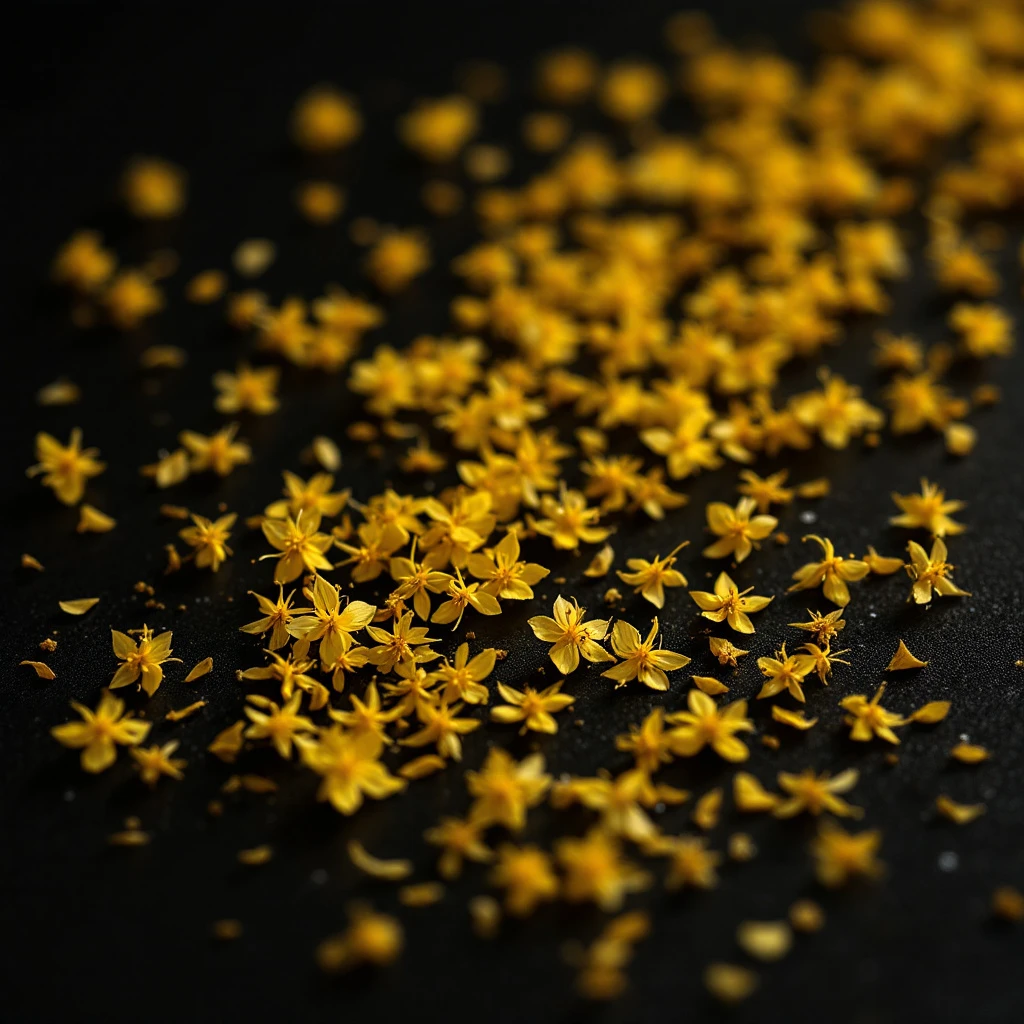
Stone fruit, steeped in tea.
China remains the sole producer of osmanthus concrete, making it one of perfumery's most geographically singular ingredients.

Origin
China
Osmanthus fragrans has been cultivated in China for over 2,500 years, making it one of the oldest documented ornamental and aromatic plants in East Asian culture. The name combines the Greek osme, meaning fragrance, with anthos, meaning flower, a linguistic pairing that reflects its universal appeal. In traditional Chinese perfumery and medicine, osmanthus was prized for being thick, clear, long-lasting, and far-reaching in scent, qualities that placed it among the elite aromatic materials alongside agarwood and musk.
Osmanthus has flavored teas, wines, and osmanthus jam (gui hua jiang) for centuries, and the dried flowers remain a staple in Cantonese and Yunnanese kitchens. In Japan, the flower is known as kinmokusei and carries associations with autumn and the moon. Western perfumery adopted osmanthus more slowly than other florals due to the difficulty of capturing its delicate, fruit-driven character.
It gained real prominence only in the late 20th century, when advances in solvent extraction allowed perfumers to work with a stable, faithful rendition of the flower's natural aroma.
Wears it best
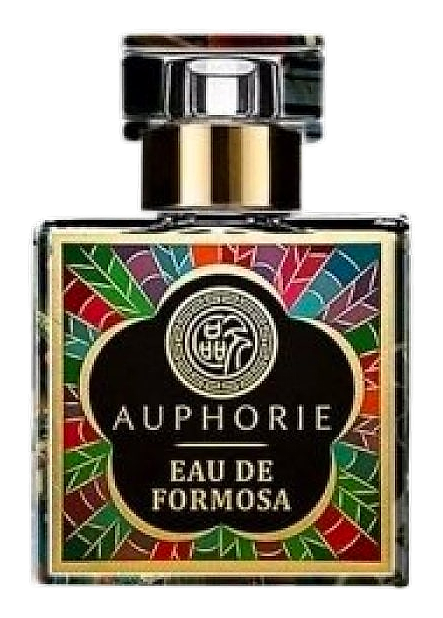
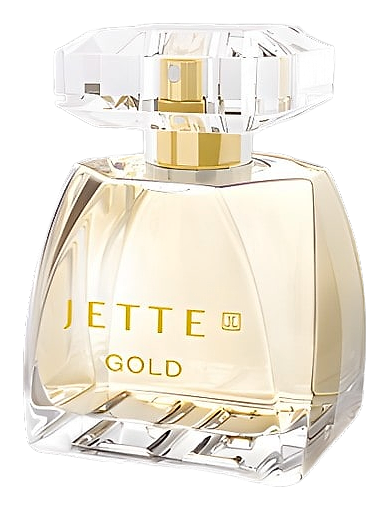
Fragrances featuring Osmanthus Tea
Brands
Brands known for Osmanthus Tea
Good to know
Questions, answered
The essentials on Osmanthus Tea in perfumery: how it smells, where it comes from, and how it behaves on skin.
What does osmanthus smell like in perfumery?
Osmanthus smells like ripe apricot and peach skin layered over soft, suede-like leather and black tea. The fruit character comes from natural carotenoid-derived compounds rather than added fruity accords, giving it a warm, slightly tannic edge unique among florals.
Is osmanthus an expensive fragrance ingredient?
Yes, osmanthus is among the costlier natural floral materials. Yields are extremely low: roughly one tonne of freshly picked flowers is required to produce a commercially meaningful quantity of absolute, and harvests must happen within hours of blooming.
Where is osmanthus originally from?
Osmanthus fragrans originates from southern China, particularly the regions between Guilin and Yangzhou. It has been cultivated there for over 2,500 years and remains deeply embedded in Chinese tea, cuisine, and perfumery traditions.
Why is osmanthus rare in Western perfumery?
Only China currently produces osmanthus concrete at scale, and the flowers must be processed quickly after harvest to preserve their delicate lactones. This geographic concentration, combined with low extraction yields, limits supply in Western fragrance houses.
What is the difference between osmanthus and kinmokusei?
They are the same species, Osmanthus fragrans. The name kinmokusei is Japanese, while osmanthus derives from the Greek osme (fragrance) and anthos (flower). In perfumery, the term refers specifically to the flower's absolute.
Does osmanthus contain real fruit notes?
Yes, the apricot-and-peach character of osmanthus is intrinsic to the flower itself. It develops through naturally occurring carotenoid degradation during the drying and extraction process, producing genuine fruity aromatics without any added fruit ingredients.
How is osmanthus absolute produced?
Freshly harvested flowers undergo solvent extraction to produce a waxy concrete, which is then washed with alcohol to yield the refined absolute. Steam distillation is unsuitable because heat destroys the delicate lactones that give osmanthus its signature scent.
Can osmanthus be used in tea?
Absolutely. Dried osmanthus flowers have flavored Chinese teas for centuries and remain a traditional ingredient in osmanthus oolong and herbal blends, prized for their sweet, apricot-like aroma and gentle floral finish.