The Story
Why it exists.
The beginning
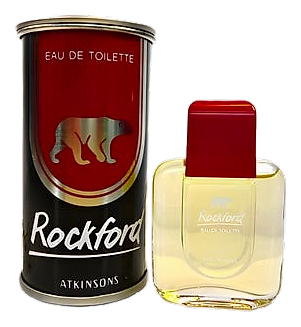
Rockford arrived in 1985, designed for a man who wanted presence without announcement. Perfumer Jean Claude Delville built this around the tension between aromatic freshness and warm spice, the kind of composition that was falling out of fashion as the decade pushed toward louder, sharper statements. It wasn't meant to compete. It was meant to outlast. The name suggests solidity, Rockford, a place of substance over spectacle, and the juice delivers exactly that.
What makes the structure interesting is the hand-off. The opening performs the classic citrus-lavender routine with precision, but Delville threads mace and carnation into the heart before anyone can call it predictable. That spice note, warm, slightly numbing, unmistakably 1985, is what separates Rockford from dozens of similar compositions of the era. The base leans into moss and tonka bean, a slightly melancholy combination that gives the drydown an intimacy the opening never promises. It's not a crowd-pleaser by design. It's a quiet argument for restraint.
The evolution
The bergamot and lemon hit bright and citrus-forward, almost soapy for the first ten minutes, that traditional gentleman opening, calibrated for a morning commute. Lavender smooths the transition as the lemon retreats, bringing its herbaceous, slightly camphorated quality into play. By the mid-stage, the mace and carnation assert themselves: warm spice with a floral edge that feels older than the decade. The cedar and sandalwood arrive to dry everything out, pulling the composition from aromatic into woody territory. Three hours in, the moss becomes apparent, earthy, damp, almost PM rather than sweet green. The amber and tonka bean linger close to skin, a warm sweetness that never fully dominates. By hour six, it's skin. Faint. Powdery. The kind of trace someone might notice before you do.
Cultural impact
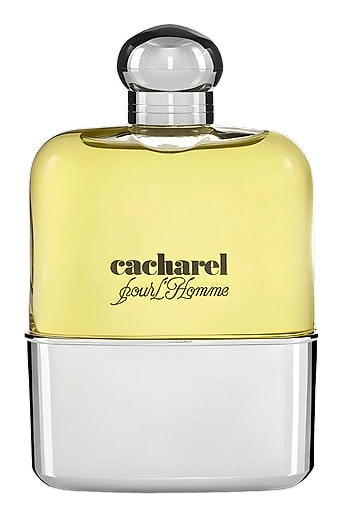
Rockford occupies a specific lane: the gentleman fragrances of the 1980s that preferred intimacy to announcement. The mace-carnation pairing puts it in Cacharel Pour Homme territory, though Rockford plays quieter. For collectors of masculine compositions from that era, it holds a particular appeal, a traditional structure that rewards wearing rather than performing.