
The Story
Why it exists.
The beginning
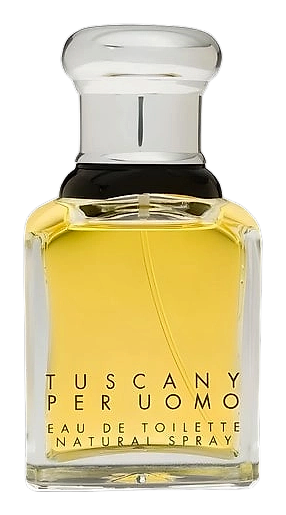
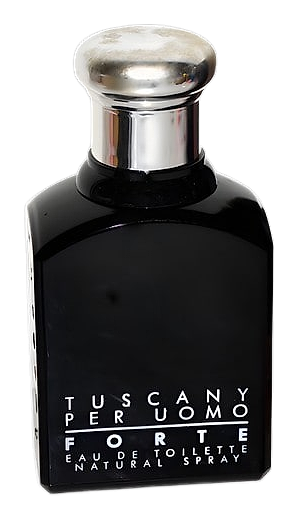
Tuscany Forte Per Uomo arrived in 1996, a time when Aramis had spent three decades defining what American masculine fragrance meant. The house had built its reputation on a straightforward premise: men merited sophisticated scents crafted with the same attention as women's fragrances. By the mid-90s, competitors had emulated this approach extensively. Tuscany Forte emerged as a response emphasizing compositional rigor. Harry Fremont, the perfumer behind it, selected a nuanced palette that conveyed both timelessness and quiet confidence. The name carries inherent gravitas: Tuscany, evocative of the Renaissance, a region where artisanal excellence held profound significance. Forte suggests strength and clarity. The resulting fragrance substantiates both implications.
What makes this composition distinctive is the powder accord. Iris doesn't appear in every masculine fragrance, it's delicate, sometimes considered feminine in its violet-like softness. Here, Fremont anchored it with nutmeg, star anise, and carnation, giving the powder a spice that keeps it from reading as sweet or insubstantial. The heart isn't just floral; it's structured. Then the base delivers sandalwood, cedar, oakmoss, and tonka bean, a classic fougere skeleton that keeps everything grounded. The result is a fragrance that feels built, not assembled. Every layer has somewhere to go.
The evolution
The opening hits bright and herbal, lavender and bergamot with tarragon adding a green bite. The palisander rosewood reads as something almost resinous, sitting between citrus and wood. The iris arrives as the transition begins. The powder does not arrive gradually; it announces itself, transforming the composition from aromatic to something quieter, more intimate. The citrus fades but does not disappear, it becomes warmth under the powder. The drydown is where this fragrance earns its reputation. Sandalwood and cedar arrive together, with oakmoss providing that earthy, almost mineral depth. Tonka bean adds a sweetness that reads as warmth, not dessert. The musk holds everything close to the skin. The sillage remains intimate and personal throughout wear, settling into a quiet resonance that rewards patience.
Cultural impact
Tuscany Forte presents a distinctive character in masculine perfumery: powdery, structured, with an understated confidence reminiscent of old-money elegance. It occupies a unique space that feels both classic and contemporary, avoiding the transient trends of its era. The fragrance possesses a quiet authority that many scent enthusiasts find compelling. Its refined composition suggests a rare quality, where sophistication meets enduring appeal.
The House
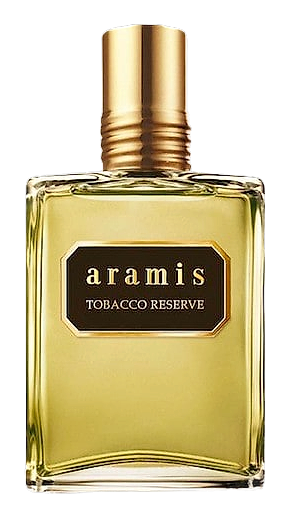
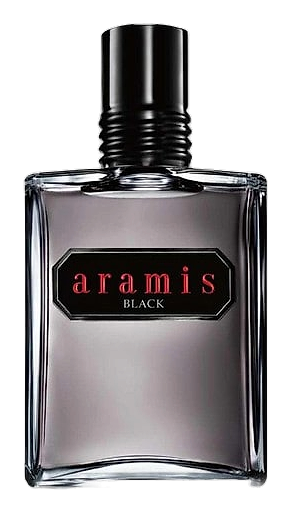
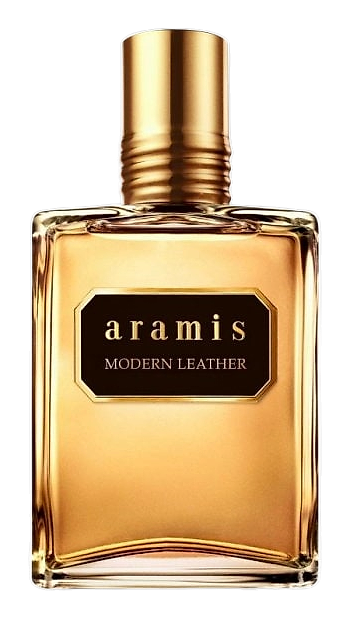
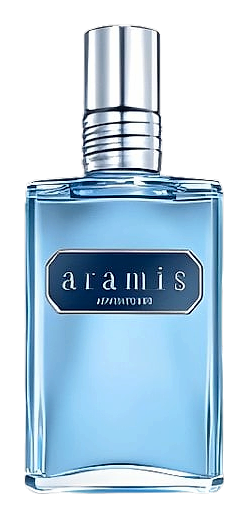
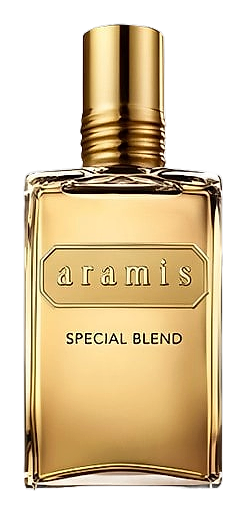
AramisAramis stands as a foundational name in American men's fragrance, established in 1964 by Estée Lauder as one of the first prestige men's grooming brands available in department stores. The original Aramis scent, created by perfumer Bernard Chant, introduced a signature blend of aromatic woods, leather, and traditional masculine notes that set the template for masculine fragrance in the American market. Over six decades, the brand has developed a portfolio spanning multiple expressions of masculine elegance, from the foundational 1964 original through contemporary interpretations like Tobacco Reserve in 2018. Aramis operates as a division within the Estée Lauder Companies, alongside its notable portfolio holding of Tommy Hilfiger Fragrances, acquired in 2003.
The Creator
Harry FremontFrémont's style resists easy categorization. He works fluently across woody, floral, amber, and leather territories, with an especially strong command of vetiver and musks that has become something of a signature.