The Story
Why it exists.
The beginning
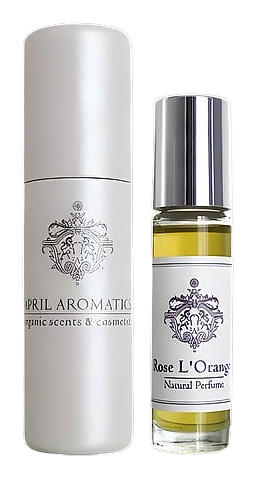
Tanja Bochnig built Rose L'Orange as a study in contradiction. Rose, the most traditional flower in perfumery, meets orange blossom and neroli, materials with their own centuries of baggage, and the tension between them is the point. Bochnig formulated it as a botanical oil, no synthetic shortcuts, no alcohol to blur the edges of what the raw materials actually smell like. The result reads like a rose garden interrupted by a citrus grove, both halves fully alive.
What separates this from many rose-orange compositions already available is the honesty of the materials. Turkish rose otto arrives with a weight and warmth that feels grounded, a kind of dense floral richness that reads as resinous rather than sweet. Tunisian neroli contributes its own character, the green-edged brightness of bitter orange flowers expressed through steam distillation. When Bochnig lets those two materials speak without smoothing them into a generic floral accord, you get something that reads as direct and unmediated.
The evolution
The first 30 minutes belong to citrus. Bitter orange and mandarin arrive sharp, almost tart, and the neroli gives them a green, slightly bitter edge that keeps them from going candy-sweet. The rose shows up early but stays behind the citrus for the first hour, peeking through with its dusty, jammy quality. Around the two-hour mark, the balance shifts. Orange blossom and ylang-ylang take over the heart, adding a creamy, almost tropical sweetness that the neroli had been blocking. The palmarosa weaves through with a grassy, geranium-adjacent warmth that pulls the whole composition toward skin. By hour four, the base settles in. Peru balsam brings a soft, resinous depth, and the Bourbon vanilla arrives not as dessert but as a powdery haze, the kind you remember from a grandmother's dressing table. It stays that way for another 3-4 hours, a quiet, close-to-skin drydown that survives until you wash it off.
Cultural impact
Rose L'Orange occupies a specific niche within natural perfumery, the small but committed corner of fragrance that favors botanical materials over synthetic construction and oil formats over alcohol sprays. Its neroli-rose character is direct rather than abstracted, which gives it a particular appeal for wearers who want their florals to read as florals, not as concepts inspired by florals. The fact that it arrives as an oil rather than an alcohol spray signals its audience clearly: people who prefer botanical materials delivered without dilution by ethanol, and who are comfortable with the trade-offs that implies.