The Story
Why it exists.
The beginning
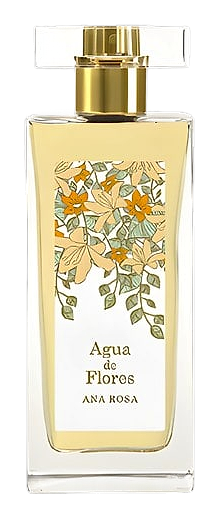
Agua de Flores arrived in 2011 as Ana Rosa Quintana's second fragrance, launched through Puig. The name translates roughly as “flower water,” while the composition places a white floral heart over a warmer gourmand base. Elisabeth Vidal of Puig and Emilie Coppermann of Symrise were the perfumers associated with the fragrance. Orange blossom and gardenia establish the floral center, giving the opening a creamy, luminous character. Beneath them, toffee introduces a rounded sweetness that changes the effect of the flowers. The result is a composition that moves between cool floral accents and a soft, caramel-like base, with enough contrast to reward a closer look.
What makes this composition worth a second look is the toffee note in the base. Toffee in a white floral creates an appealing contradiction: the sweet, caramelized character sits underneath the cool composure of orange blossom and gardenia. The floral heart remains central, but the base adds warmth and depth as the fragrance settles on skin. Pomegranate contributes a tart, almost mineral edge, sharpening the sweetness without making the composition feel overtly sugary. Cedar provides a dry, woody structure beneath the warmer notes.
The evolution
The first ten minutes are bright, almost glittering: African orange blossom and bergamot crack open together, with pink pepper threading in just enough bite to keep things awake. Mandarin softens the edges. Green notes sit underneath it all, giving the opening a sense of morning. Around the thirty-minute mark, the heart assembles. Gardenia arrives first, full and creamy, then rose lifts through. Pomegranate shows up as something between fruit and flower, slightly tart, slightly pulpy. It's a generous white-floral moment, and the accords promise exactly this. What you don't expect is how long the floral stays loud. Two hours in, the rose-gardenia pairing is still readable from wrist-distance. The shift begins in hour three, when the toffee starts surfacing through the petals. Not aggressively sweet, more like the warm residue of something baked. Cedar holds the structure underneath, and musk wraps it all into a soft finish. By hour five, you're left with a close-to-skin blend of warm toffee, skin musk, and a whisper of wood.
Cultural impact
Agua de Flores can be understood through its fragrance materials rather than through a claimed cultural tradition. Orange blossom and gardenia create a luminous floral center, while wild rose adds a greener, more textured quality. Pomegranate brings a tart fruit accent that keeps the heart from becoming uniformly sweet. Beneath the florals, toffee supplies a rounded, caramel-like warmth, and cedar adds a dry woody edge to the drydown. The composition therefore invites attention through the contrast of fresh-looking floral notes and a soft gourmand base.
The House
Ana RosaAna Rosa is a niche fragrance label with a modest catalogue of two compositions, released in 2009 and 2011. The brand's small output places it among the more intimate houses in modern perfumery, where each release tends to carry a specific point of view rather than a broad product range. Fragrance databases record the house as a designer label rather than a celebrity-fronted brand, and its limited edition history makes it a curiosity for collectors who track smaller perfume houses from the late 2000s onward.
The Creator
Emilie Bevierre-CoppermannÉmilie favors crisp, structured compositions that balance bright top notes with a warm, lingering base. She often begins with a clear, aromatic opening—citrus, green tea or a sparkling berry—then anchors the piece with woods, amber or subtle musk.