    Home/Brands/Ana Rosa

    Ana Rosa

    Ana Rosa is a niche fragrance label with a modest catalogue of two compositions, released in 2009 and 2011. The brand's small output places it among the more intimate houses in modern perfumery, where each release tends to carry a specific point of view rather than a broad product range. Fragrance databases record the house as a designer label rather than a celebrity-fronted brand, and its limited edition history makes it a curiosity for collectors who track smaller perfume houses from the late 2000s onward.

    UnknownEst. 2009
    2
    Fragrances
    3.7
    Avg rating
    Shop the collection
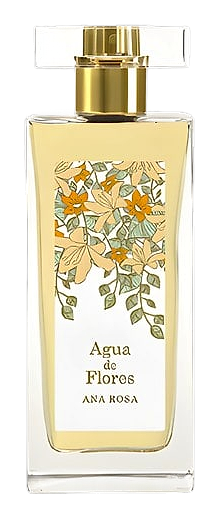
    SignatureAgua de Flores
    Agua de Flores
    EDT
    Community
    3.7
    Average rating
    across 2 fragrances
    Collection
    2
    Fragrances and counting
    Heritage
    2009
    Founded in Unknown

    All Ana Rosa fragrances

    2 total

    2

    Heritage

    A house, in its own words

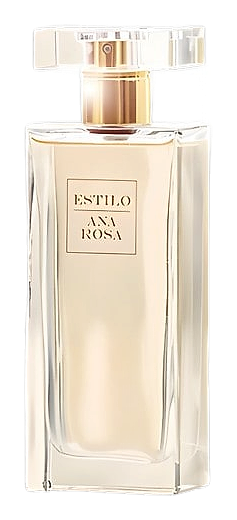
    Ana Rosa entered the fragrance market in 2009 with the release of Estilo, followed by Agua de Flores in 2011. According to fragrance database records, the house produced only these two compositions, situating it among the smallest perfume catalogues of its era. The brevity of its production history means little is independently documented about its origins or the circumstances of its founding. What can be said with confidence is that the brand appeared during a period when independent and niche fragrance houses were gaining traction, as consumers began seeking alternatives to mainstream designer releases. The two-year gap between Estilo and Agua de Flores suggests a deliberate, unhurried creative pace rather than rapid commercial expansion. Beyond these details, verifiable third-party information about the founders, location, or corporate history of Ana Rosa is scarce, leaving much of its backstory open to question. With only two fragrances to its name, Ana Rosa's creative direction can be read through its titles alone. Estilo, a Spanish word meaning 'style,' points toward a concern with personal expression and identity, while Agua de Flores, translating roughly to 'flower water,' signals an interest in natural, botanical, and possibly traditional floral compositions. Together these names suggest a house interested in Latin American or Iberian cultural references, where floral waters (aguas de flores) have a long history in both perfumery and everyday grooming rituals. The choice to release so few fragrances implies a preference for considered, intentional creation over volume. In the absence of independent interviews or editorial coverage, the philosophy of Ana Rosa must be inferred from its naming conventions and its restrained output, both of which point toward a creator more interested in personal artistic statement than in building a large commercial catalogue.

    2009
    Release of Estilo, Ana Rosa's first recorded fragrance
    2011
    Release of Agua de Flores, the second and most recent fragrance in the catalogue
    2009
    Ana Rosa appears in fragrance database records, marking its entry into the niche fragrance landscape
    2011
    The house's documented output concludes with Agua de Flores, after which no further releases are recorded
    2010s
    Independent and niche fragrance houses gain momentum, a context in which Ana Rosa's small catalogue circulated among collectors

    Did you know?

    Interesting facts

    01

    Ana Rosa has one of the smallest recorded catalogues among fragrance houses, with just two compositions released over a two-year span from 2009 to 2011.

    02

    Both fragrance titles are in Spanish: Estilo meaning 'style' and Agua de Flores referencing the traditional floral waters common in Iberian and Latin American cultures.

    03

    Fragrance databases classify Ana Rosa as a 'designer' label rather than a celebrity or celebrity-adjacent brand, suggesting independent creative ownership.

    04

    No perfumer is publicly credited in available fragrance database records for either Estilo or Agua de Flores, which is uncommon for houses of this era.